Suppression of Proinflammatory and Prosurvival Biomarkers in Oral Cancer Patients Consuming a Black Raspberry Phytochemical-Rich Troche
- PMID: 26701664
- PMCID: PMC4764140
- DOI: 10.1158/1940-6207.CAPR-15-0187
Suppression of Proinflammatory and Prosurvival Biomarkers in Oral Cancer Patients Consuming a Black Raspberry Phytochemical-Rich Troche
Abstract
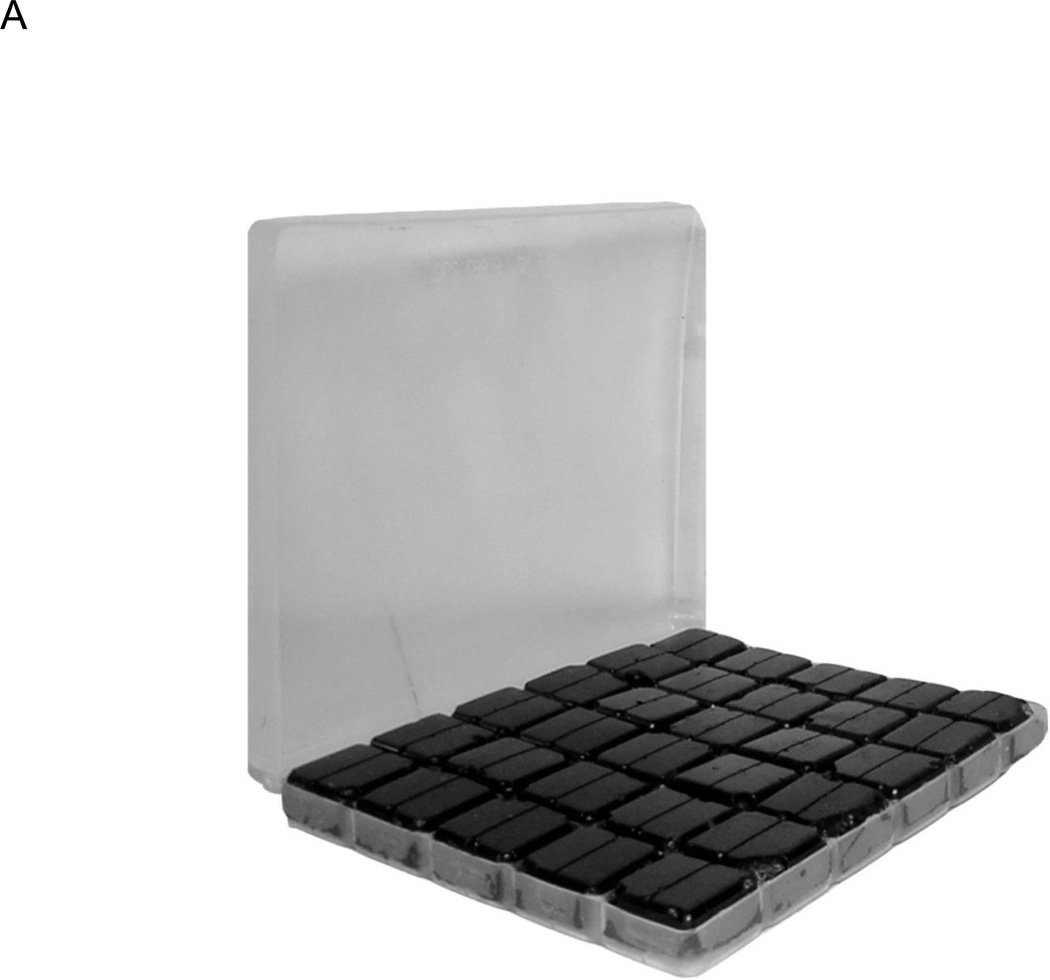
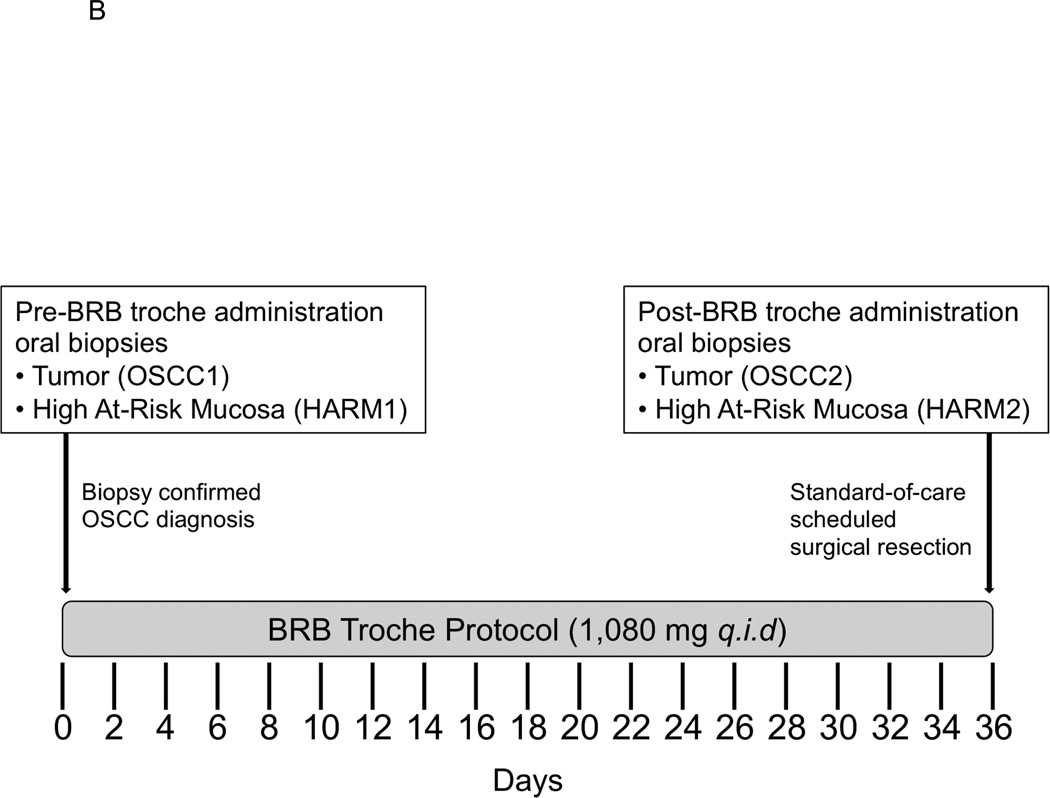
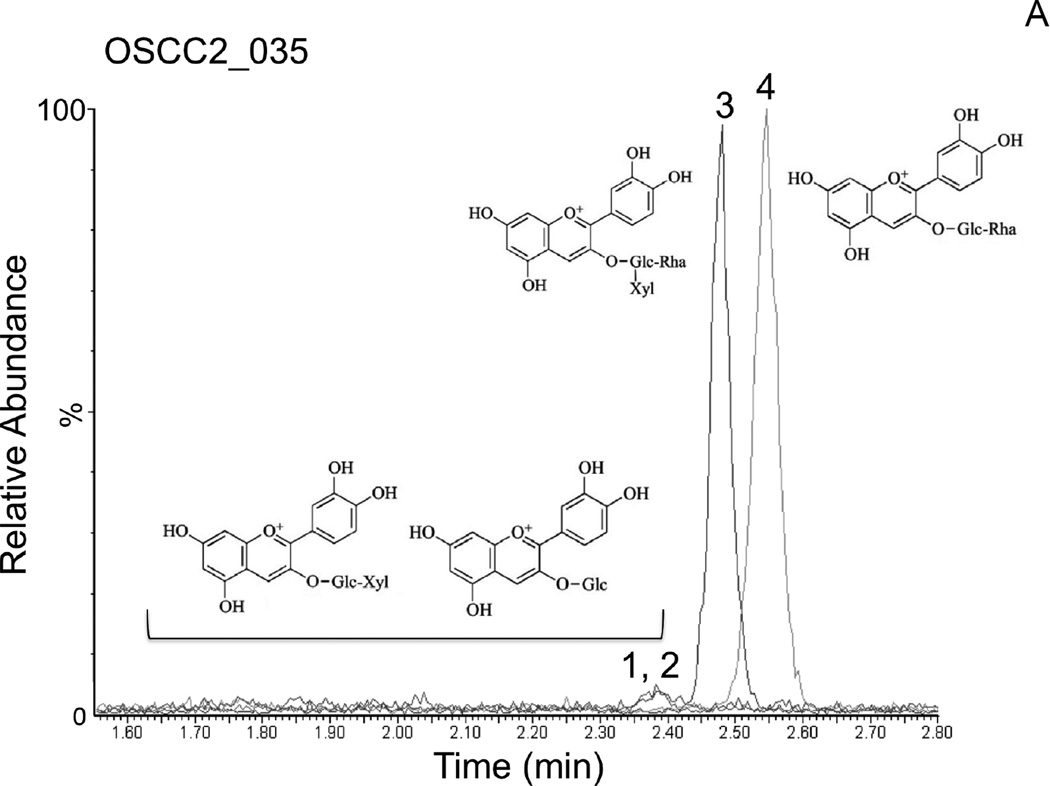
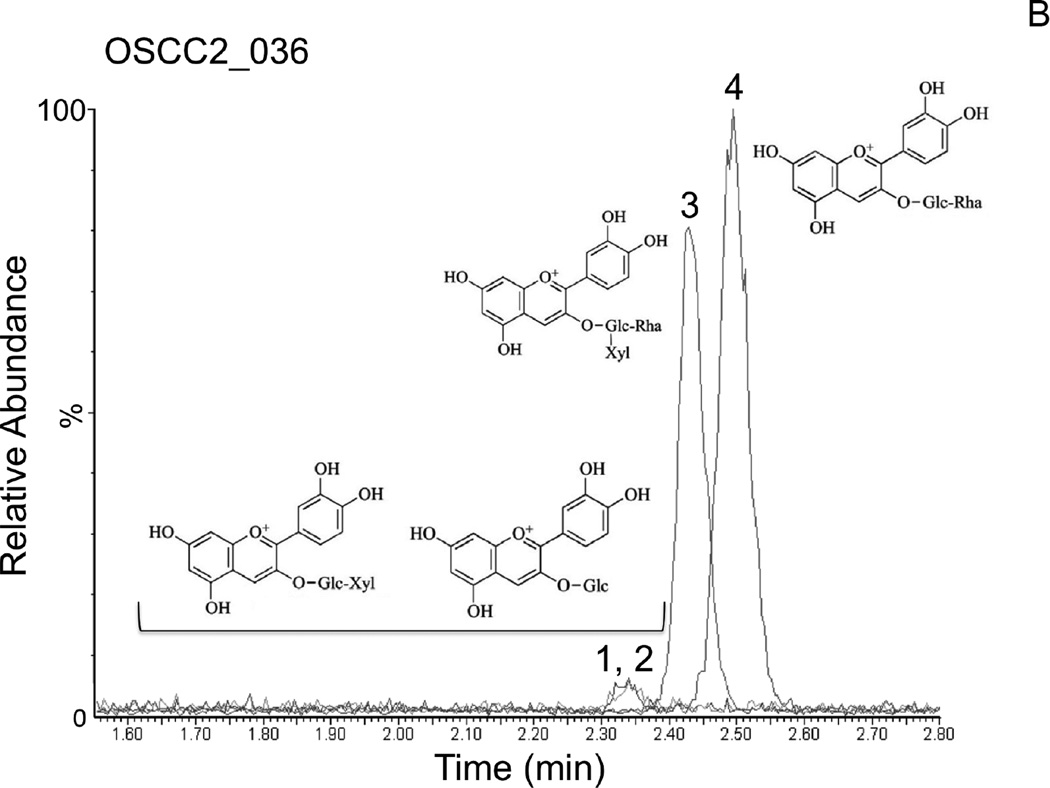
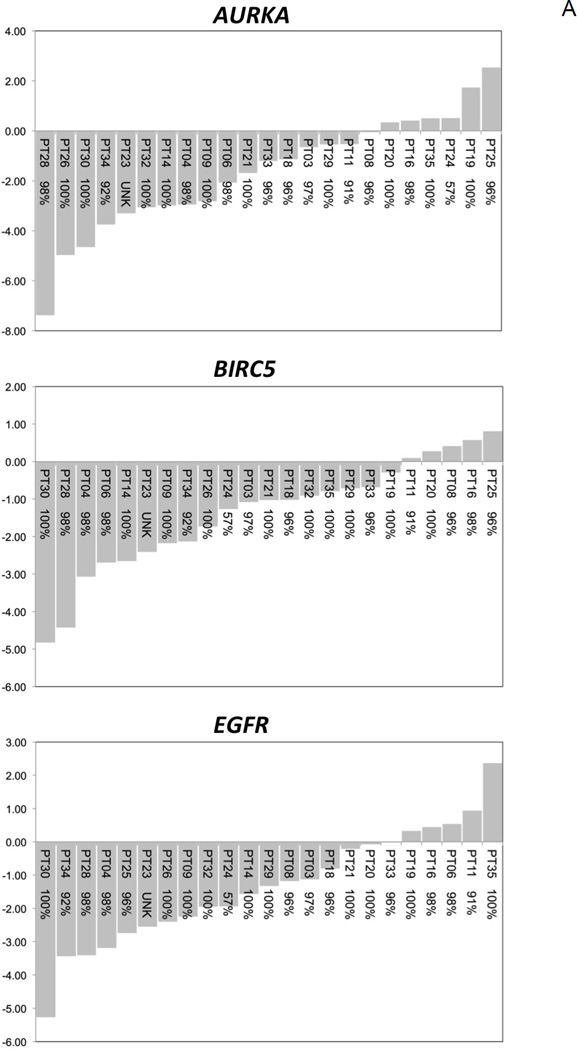
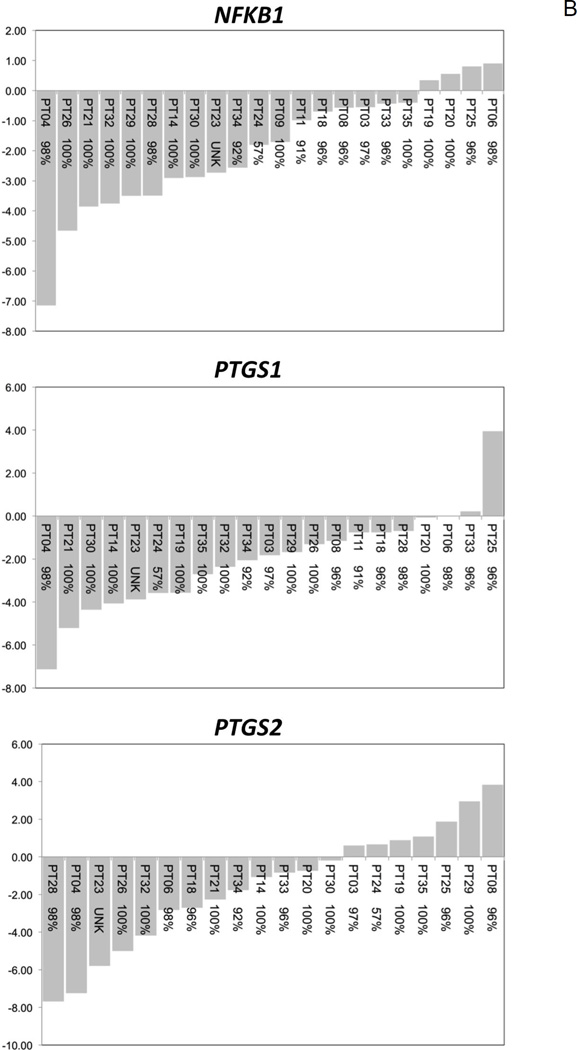
Black raspberries (BRB) demonstrate potent inhibition of aerodigestive tract carcinogenesis in animal models. However, translational clinical trials evaluating the ability of BRB phytochemicals to impact molecular biomarkers in the oral mucosa remain limited. The present phase 0 study addresses a fundamental question for oral cancer food-based prevention: Do BRB phytochemicals successfully reach the targeted oral tissues and reduce proinflammatory and antiapoptotic gene expression profiles? Patients with biopsy-confirmed oral squamous cell carcinomas (OSCC) administered oral troches containing freeze-dried BRB powder from the time of enrollment to the date of curative intent surgery (13.9 ± 1.27 days). Transcriptional biomarkers were evaluated in patient-matched OSCCs and noninvolved high at-risk mucosa (HARM) for BRB-associated changes. Significant expression differences between baseline OSCC and HARM tissues were confirmed using a panel of genes commonly deregulated during oral carcinogenesis. Following BRB troche administration, the expression of prosurvival genes (AURKA, BIRC5, EGFR) and proinflammatory genes (NFKB1, PTGS2) were significantly reduced. There were no BRB-associated grade 3-4 toxicities or adverse events, and 79.2% (N = 30) of patients successfully completed the study with high levels of compliance (97.2%). The BRB phytochemicals cyanidin-3-rutinoside and cyanidin-3-xylosylrutinoside were detected in all OSCC tissues analyzed, demonstrating that bioactive components were successfully reaching targeted OSCC tissues. We confirmed that hallmark antiapoptotic and proinflammatory molecular biomarkers were overexpressed in OSCCs and that their gene expression was significantly reduced following BRB troche administration. As these molecular biomarkers are fundamental to oral carcinogenesis and are modifiable, they may represent emerging biomarkers of molecular efficacy for BRB-mediated oral cancer chemoprevention.
©2015 American Association for Cancer Research.
Conflict of interest statement
Figures
References
-
- Ferlay J, Shin H-R, Bray F, Forman D, Mathers C, Parkin DM. Estimates of worldwide burden of cancer in 2008: GLOBOCAN 2008. Int J Cancer. 2010;127:2893–2917. - PubMed
-
- Petersen PE. Oral cancer prevention and control--the approach of the World Health Organization. Oral Oncology. 2009;45:454–460. - PubMed
-
- Bray F, Ren J-S, Masuyer E, Ferlay J. Global estimates of cancer prevalence for 27 sites in the adult population in 2008. Int J Cancer. 2012;132:1133–1145. - PubMed
Publication types
MeSH terms
Substances
Grants and funding
LinkOut - more resources
Full Text Sources
Medical
Research Materials
Miscellaneous