


Apps and Adolescents: A Systematic Review of Adolescents' Use of Mobile Phone and Tablet Apps That Support Personal Management of Their Chronic or Long-Term Physical Conditions
- PMID: 26701961
- PMCID: PMC4704897
- DOI: 10.2196/jmir.5043
Apps and Adolescents: A Systematic Review of Adolescents' Use of Mobile Phone and Tablet Apps That Support Personal Management of Their Chronic or Long-Term Physical Conditions
Abstract
Background: The prevalence of physical chronic or long-term conditions in adolescents aged 10-24 years is rising. Mobile phone and tablet mobile technologies featuring software program apps are widely used by these adolescents and their healthy peers for social networking or gaming. Apps are also used in health care to support personal condition management and they have considerable potential in this context. There is a growing body of literature on app use in health contexts, thereby making a systematic review of their effectiveness very timely.
Objective: To systematically review the literature on the effectiveness of mobile apps designed to support adolescents' management of their physical chronic or long-term conditions.
Methods: We conducted a review of the English-language literature published since 2003 in five relevant bibliographical databases using key search terms. Two independent reviewers screened titles and abstracts using data extraction and quality assessment tools.
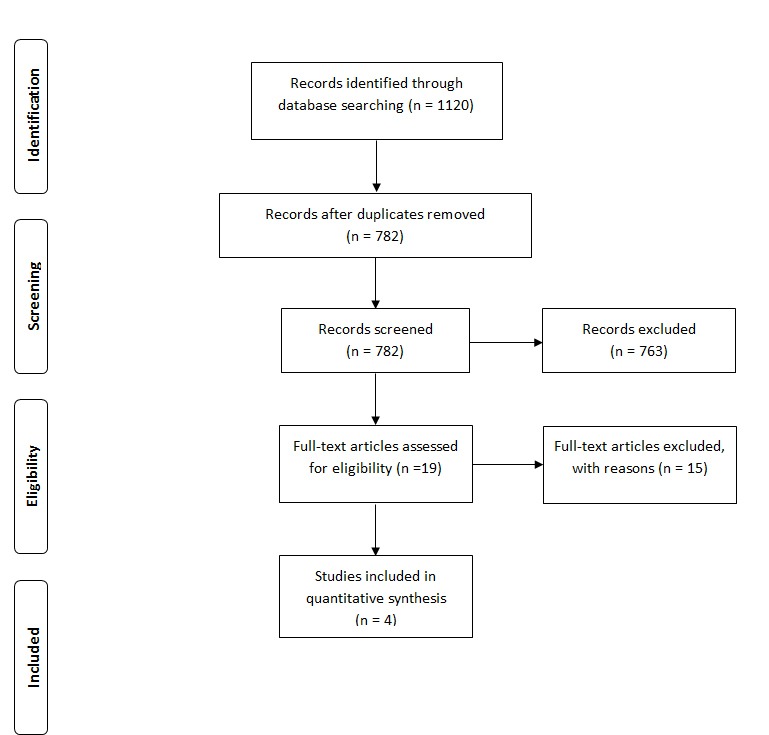
Results: The search returned 1120 hits. Of the 19 eligible full-text papers, four met our review criteria, reporting one pilot randomized controlled trial and three pretest/post-test studies. Samples ranged from 4 to 18 participants, with a combined sample of 46 participants. The apps reported were targeted at type 1 diabetes, asthma, and cancer. Two papers provided data for calculating effect size. Heterogeneity in terms of study design, reported outcomes, follow-up times, participants' ages, and health conditions prevented meta-analyses. There was variation in whether adolescents received guidance in using the app or were solely responsible for navigating the app. Three studies reported some level of patient involvement in app design, development, and/or evaluation. Health professional involvement in the modelling stages of apps was reported in all studies, although it was not always clear whether specific clinical (as opposed to academic) expertise in working with adolescents was represented. The dearth of studies and the small overall sample size emphasizes the need for future studies of the development, evaluation, use, and effectiveness of mobile apps to support adolescents' personal management of their conditions.
Conclusions: A key finding of the review is the paucity of evidence-based apps that exist, in contrast to the thousands of apps available on the app market that are not evidence-based or user or professional informed. Although we aimed to assess the effectiveness of apps, the dearth of studies meeting our criteria meant that we were unable to be conclusive in this regard. Based on the available evidence, apps may be considered feasible health interventions, but more studies involving larger sample sizes, and with patient and health professional input at all stages, are needed to determine apps' acceptability and effectiveness. This review provides valuable findings and paves the way for future rigorous development and evaluation of health apps for adolescents with chronic or long-term conditions.
Keywords: adolescents; arthritis; asthma; cancer; chronic disease or condition; diabetes; long-term condition; mobile or tablet apps; personal or self-management; review; young people.
Conflict of interest statement
Conflicts of Interest: None declared.
References
-
- Jackson Allen P. The primary care provider and children with chronic conditions. In: Jackson Allen P, Vessey JA, Schapiro N, editors. Primary Care of the Child with a Chronic Condition. 5th edition. St. Louis, MO: Mosby; 2010. pp. 3–21.
-
- Brooks F, Magnusson J, Klemera E, Spencer N, Morgan A. Health Behaviour in School-aged Children (HBSC): World Health Organization Collaborative Cross National Study. Hatfield, UK: University of Hertfordshire; 2011. Oct, [2015-12-03]. http://www.hbscengland.com/wp-content/uploads/2013/10/HBSC-England-repor... .
-
- Colver A, Longwell S. New understanding of adolescent brain development: Relevance to transitional healthcare for young people with long term conditions. Arch Dis Child. 2013 Nov;98(11):902–907. doi: 10.1136/archdischild-2013-303945. http://europepmc.org/abstract/MED/23986559 archdischild-2013-303945 - DOI - PMC - PubMed
Publication types
MeSH terms
LinkOut - more resources
Full Text Sources
Other Literature Sources
Medical
Miscellaneous
