


Discontinuity in the genetic and environmental causes of the intellectual disability spectrum
- PMID: 26711998
- PMCID: PMC4743770
- DOI: 10.1073/pnas.1508093112
Discontinuity in the genetic and environmental causes of the intellectual disability spectrum
Erratum in
-
Correction for Reichenberg et al., Discontinuity in the genetic and environmental causes of the intellectual disability spectrum.Proc Natl Acad Sci U S A. 2017 Oct 3;114(40):E8549. doi: 10.1073/pnas.1715739114. Epub 2017 Sep 25. Proc Natl Acad Sci U S A. 2017. PMID: 28973857 Free PMC article. No abstract available.
Abstract
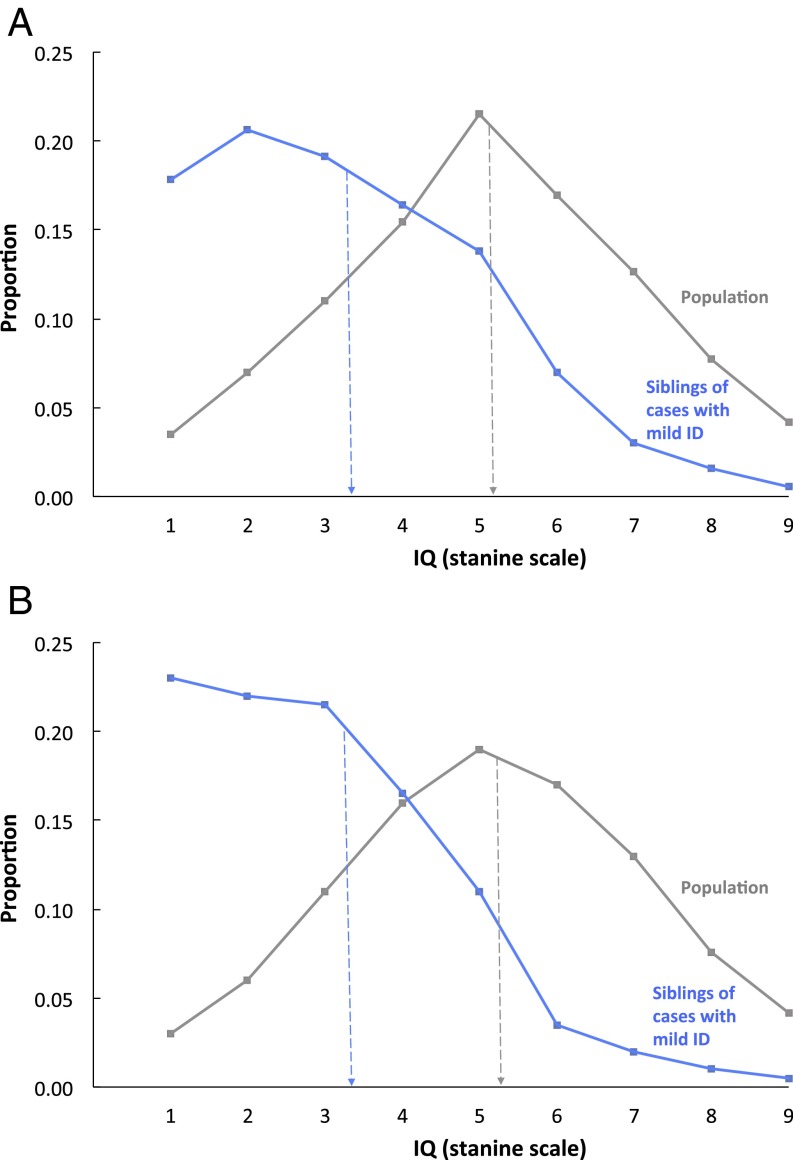
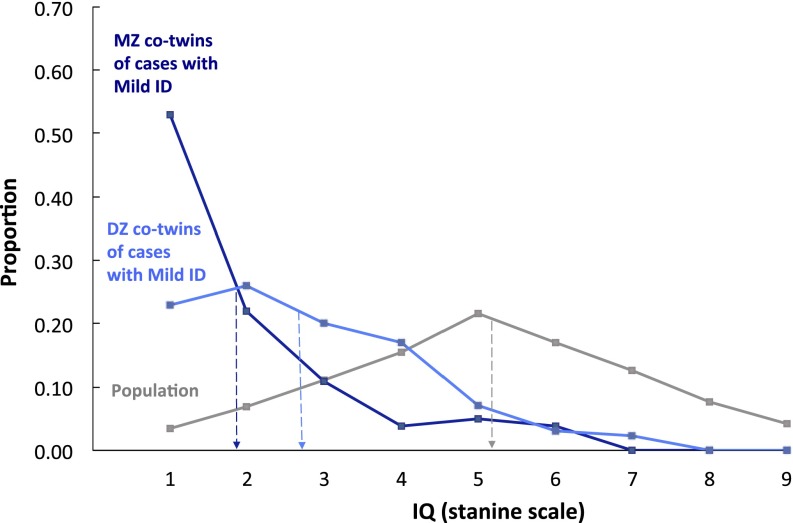
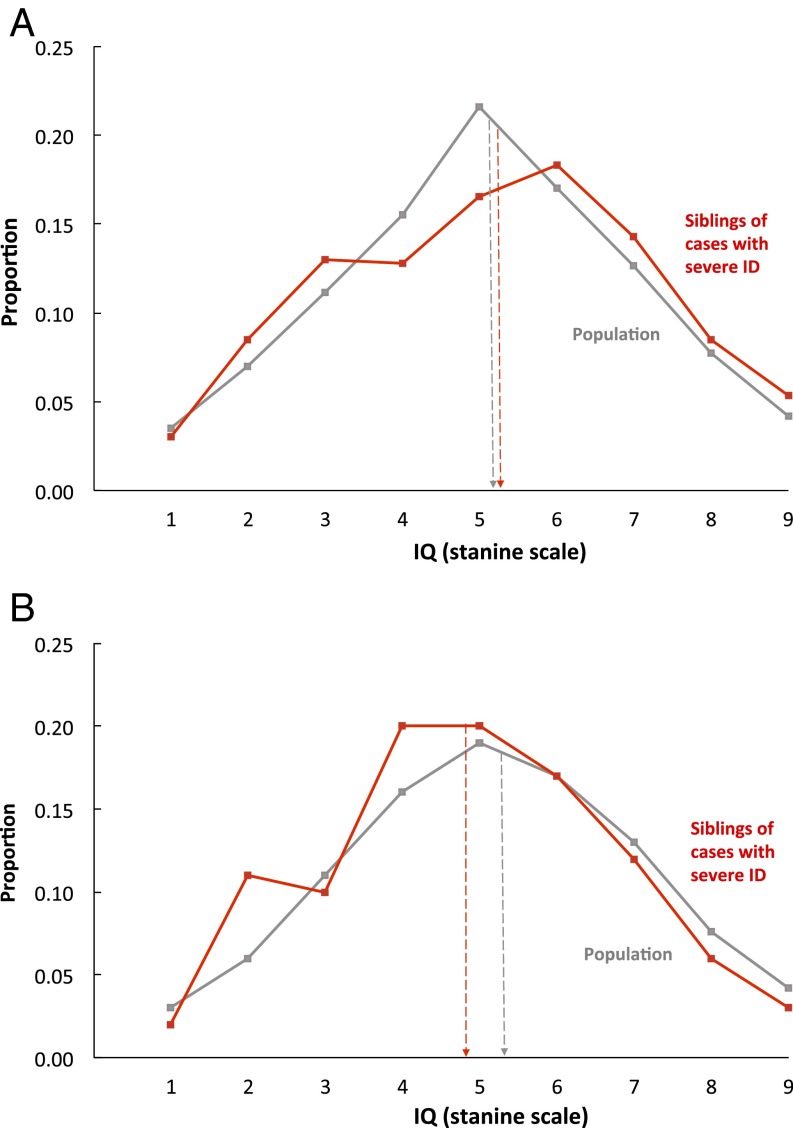
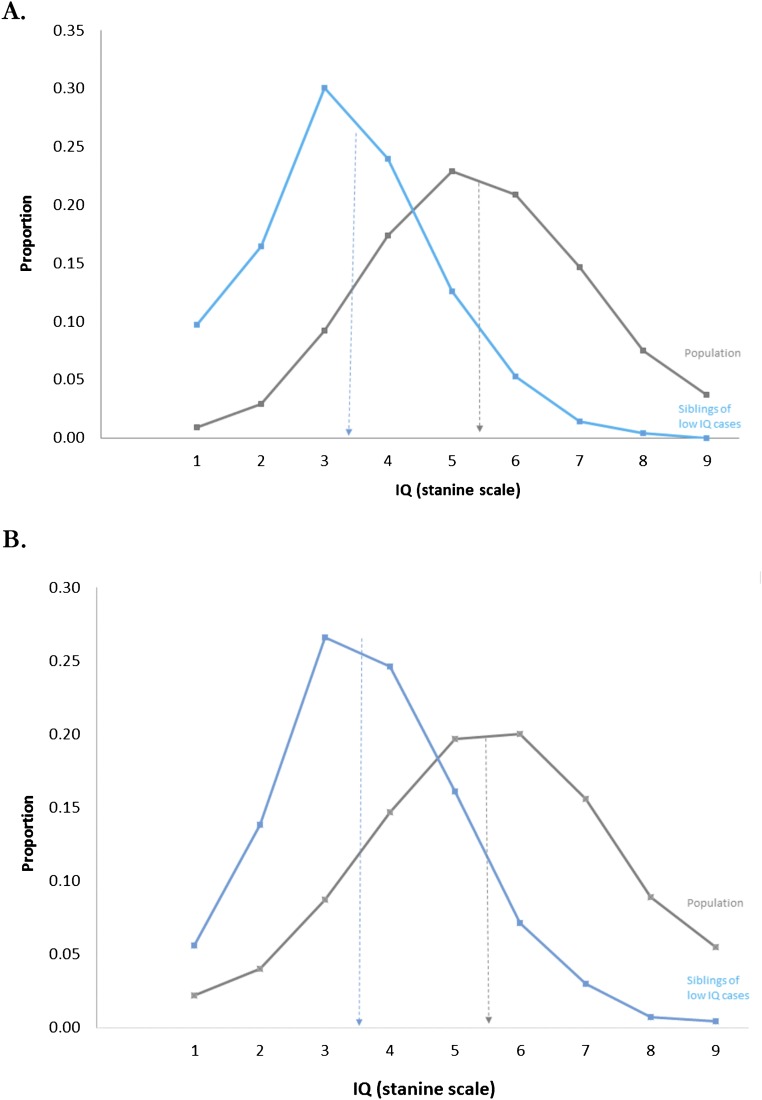
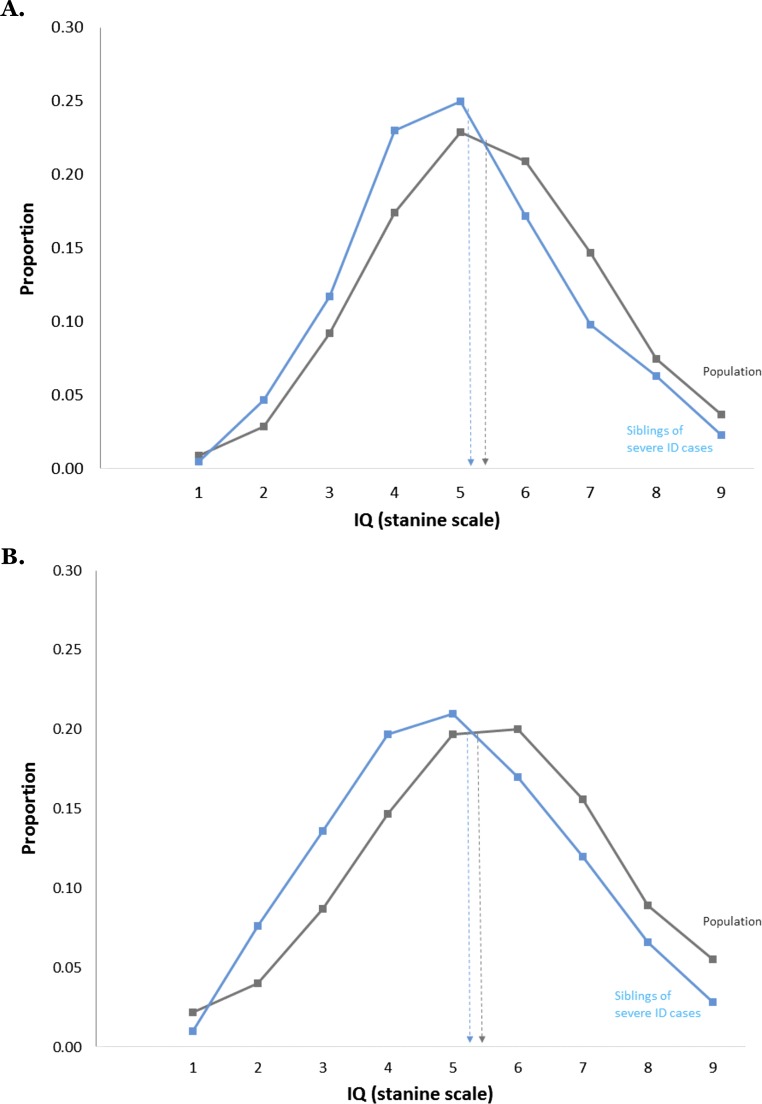
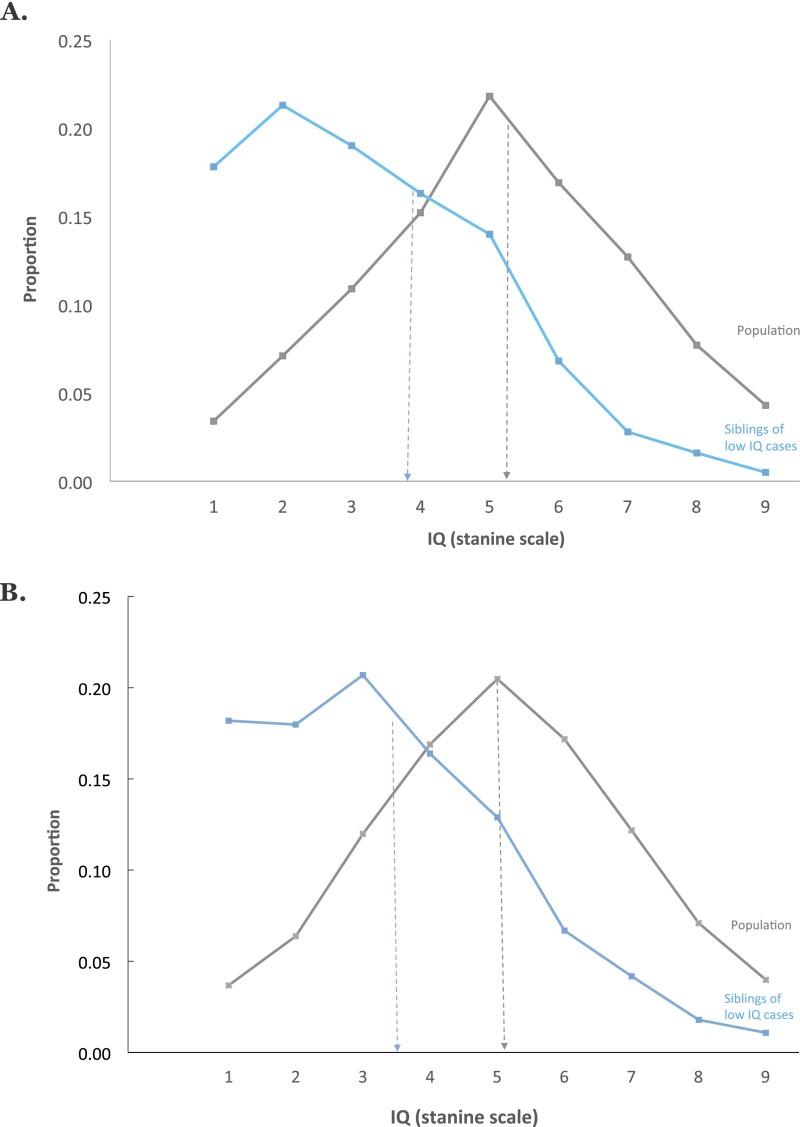
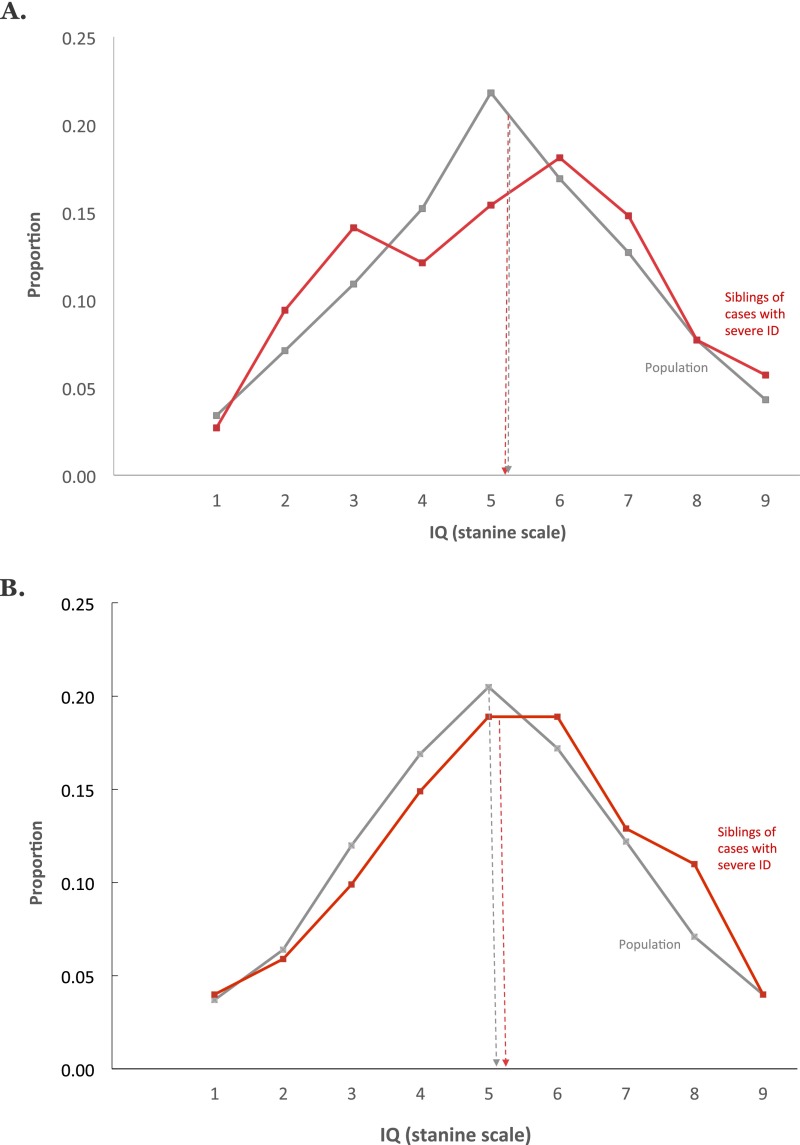
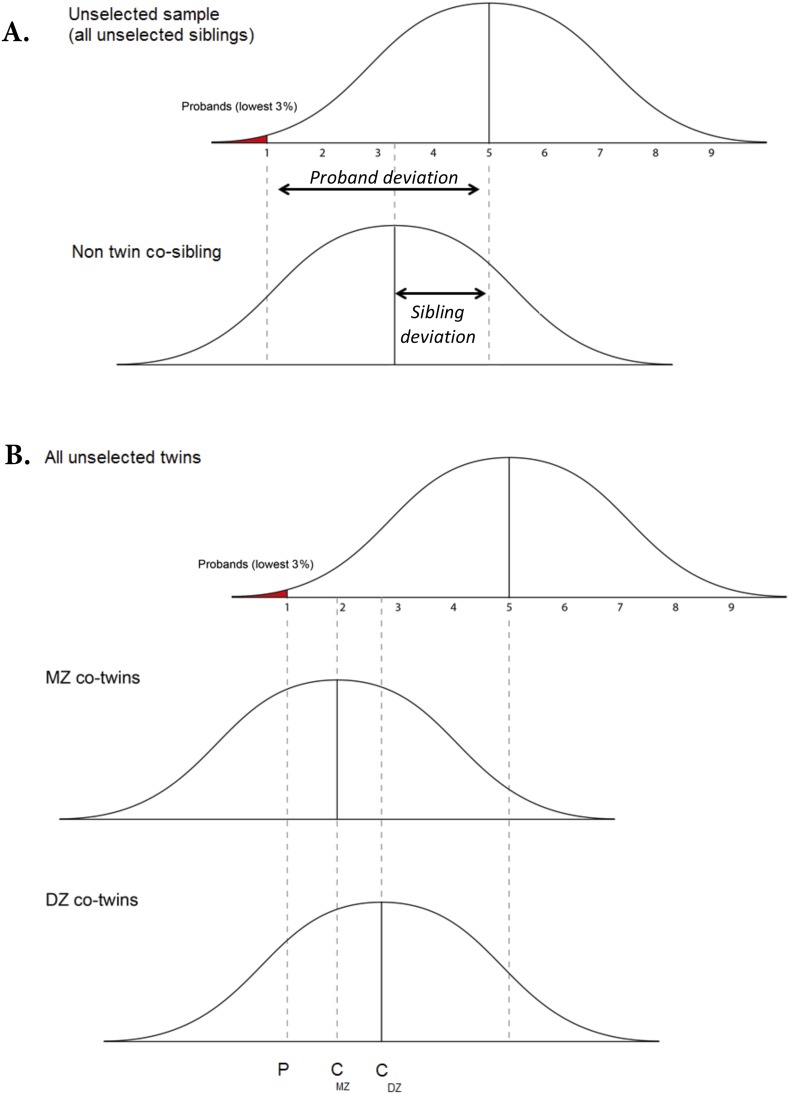
Intellectual disability (ID) occurs in almost 3% of newborns. Despite substantial research, a fundamental question about its origin and links to intelligence (IQ) still remains. ID has been shown to be inherited and has been accepted as the extreme low of the normal IQ distribution. However, ID displays a complex pattern of inheritance. Previously, noninherited rare mutations were shown to contribute to severe ID risk in individual families, but in the majority of cases causes remain unknown. Common variants associated with ID risk in the population have not been systematically established. Here we evaluate the hypothesis, originally proposed almost 1 century ago, that most ID is caused by the same genetic and environmental influences responsible for the normal distribution of IQ, but that severe ID is not. We studied more than 1,000,000 sibling pairs and 9,000 twin pairs assessed for IQ and for the presence of ID. We evaluated whether genetic and environmental influences at the extremes of the distribution are different from those operating in the normal range. Here we show that factors influencing mild ID (lowest 3% of IQ distribution) were similar to those influencing IQ in the normal range. In contrast, the factors influencing severe ID (lowest 0.5% of IQ distribution) differ from those influencing mild ID or IQ scores in the normal range. Taken together, our results suggest that most severe ID is a distinct condition, qualitatively different from the preponderance of ID, which, in turn, represents the low extreme of the normal distribution of intelligence.
Keywords: family study; heritability; intellectual disability; intelligence; twins.
Conflict of interest statement
The authors declare no conflict of interest.
Figures
References
-
- Centers for Disease Control and Prevention (CDC) Economic costs associated with mental retardation, cerebral palsy, hearing loss, and vision impairment: United States, 2003. MMWR Morb Mortal Wkly Rep. 2004;53(3):57–59. - PubMed
-
- American Psychiatric Association and American Psychiatric Association. Task Force on DSM-IV . 4th Ed. American Psychiatric Association; Washington, DC: 1994. Diagnostic and Statistical Manual of Mental Disorders: DSM-IV; p. 886.
-
- Roeleveld N, Zielhuis GA, Gabreëls F. The prevalence of mental retardation: A critical review of recent literature. Dev Med Child Neurol. 1997;39(2):125–132. - PubMed
-
- Plomin R, DeFries JC, Knopik VS, Neiderhiser JM. Behavioral Genetics. 6th Ed Worth Publishers, New York: 2012.
-
- de Ligt J, et al. Diagnostic exome sequencing in persons with severe intellectual disability. N Engl J Med. 2012;367(20):1921–1929. - PubMed
Publication types
MeSH terms
Grants and funding
LinkOut - more resources
Full Text Sources
Other Literature Sources
