Evolution of an ancient protein function involved in organized multicellularity in animals
- PMID: 26740169
- PMCID: PMC4718807
- DOI: 10.7554/eLife.10147
Evolution of an ancient protein function involved in organized multicellularity in animals
Erratum in
-
Correction: Evolution of an ancient protein function involved in organized multicellularity in animals.Elife. 2016 Jan 21;5:e14311. doi: 10.7554/eLife.14311. Elife. 2016. PMID: 26790885 Free PMC article. No abstract available.
Abstract
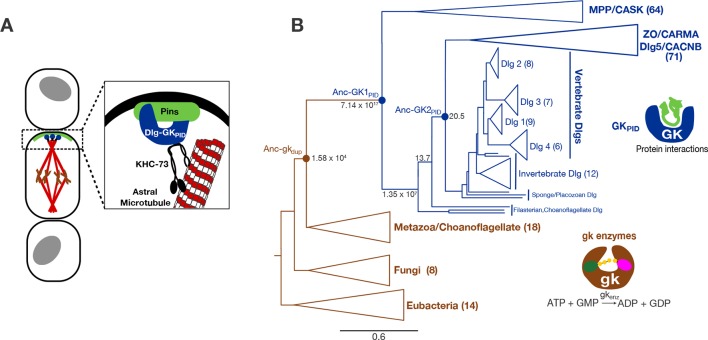
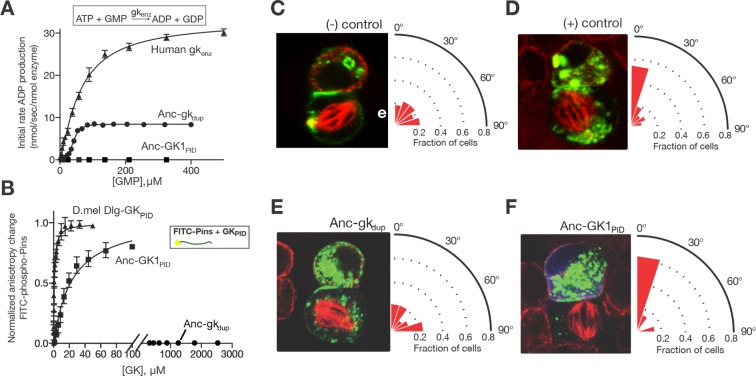
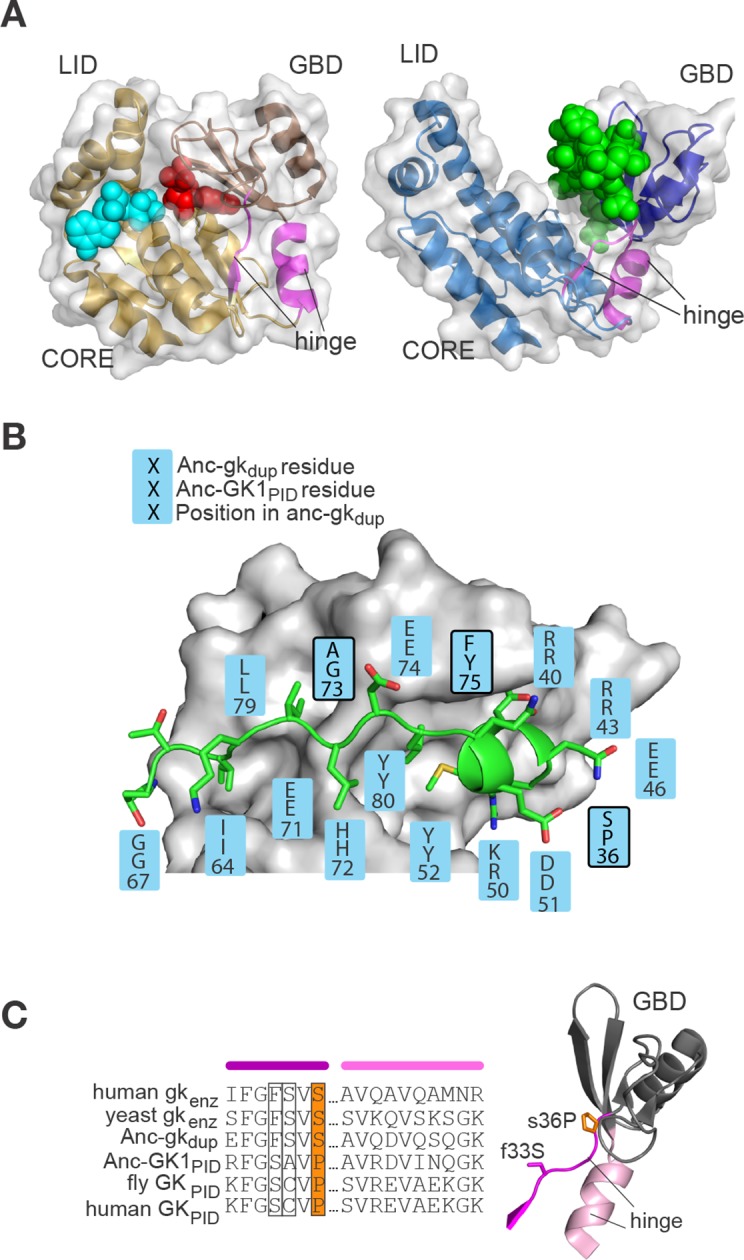
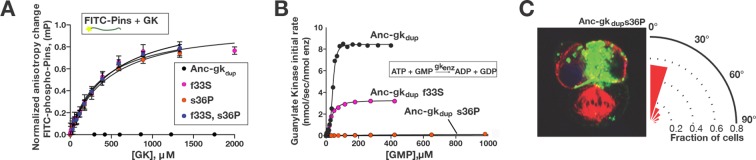
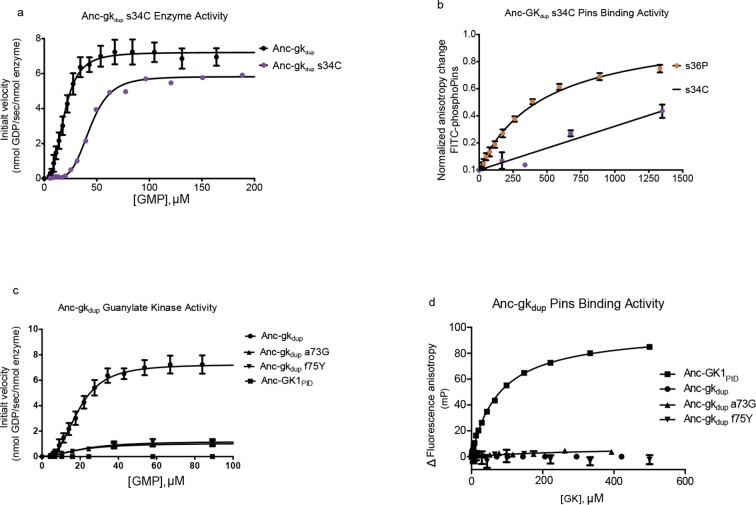
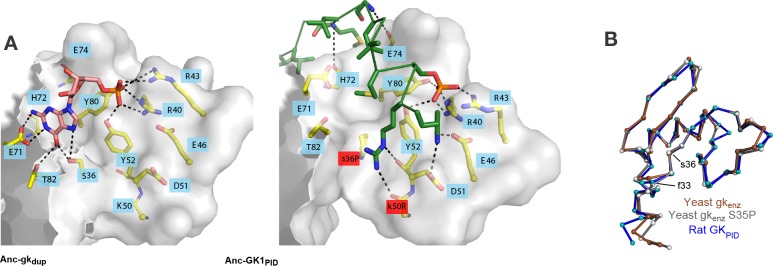
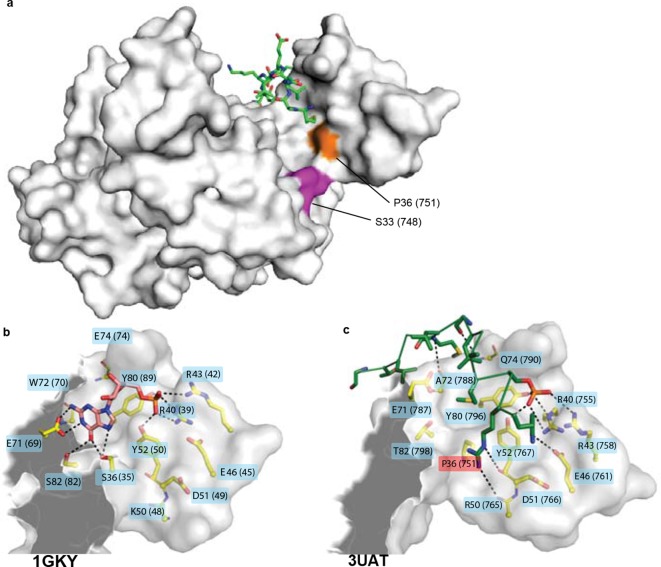
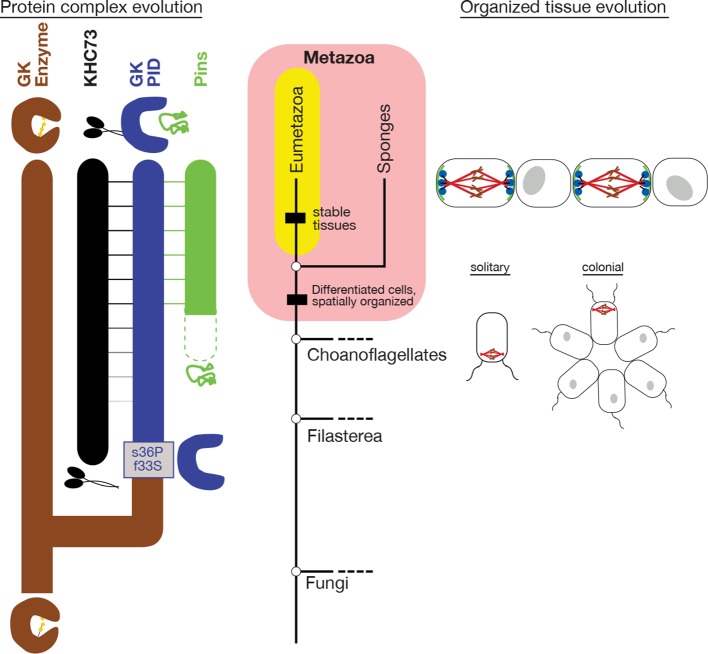
To form and maintain organized tissues, multicellular organisms orient their mitotic spindles relative to neighboring cells. A molecular complex scaffolded by the GK protein-interaction domain (GKPID) mediates spindle orientation in diverse animal taxa by linking microtubule motor proteins to a marker protein on the cell cortex localized by external cues. Here we illuminate how this complex evolved and commandeered control of spindle orientation from a more ancient mechanism. The complex was assembled through a series of molecular exploitation events, one of which - the evolution of GKPID's capacity to bind the cortical marker protein - can be recapitulated by reintroducing a single historical substitution into the reconstructed ancestral GKPID. This change revealed and repurposed an ancient molecular surface that previously had a radically different function. We show how the physical simplicity of this binding interface enabled the evolution of a new protein function now essential to the biological complexity of many animals.
Keywords: Salpingea rosetta; ancestral protein reconstruction; cell biology; evolutionary biochemistry; evolutionary biology; evolutionary cell biology; genomics; mitotic spindle; protein evolution.
Conflict of interest statement
The authors declare that no competing interests exist.
Figures
References
Publication types
MeSH terms
Substances
Grants and funding
LinkOut - more resources
Full Text Sources
Other Literature Sources