


Consequences of intravascular lymphatic valve properties: a study of contraction timing in a multi-lymphangion model
- PMID: 26747501
- PMCID: PMC4867355
- DOI: 10.1152/ajpheart.00669.2015
Consequences of intravascular lymphatic valve properties: a study of contraction timing in a multi-lymphangion model
Abstract
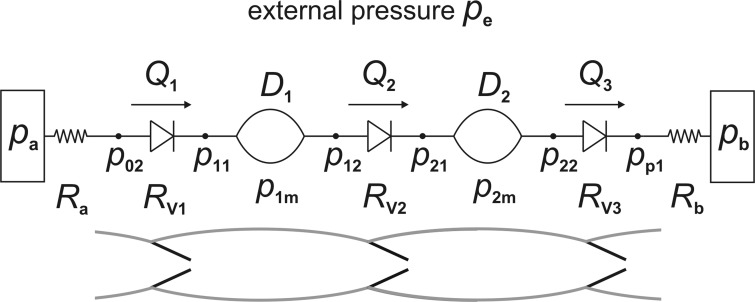
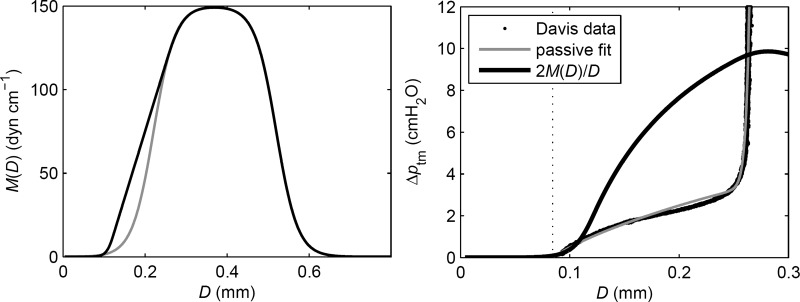
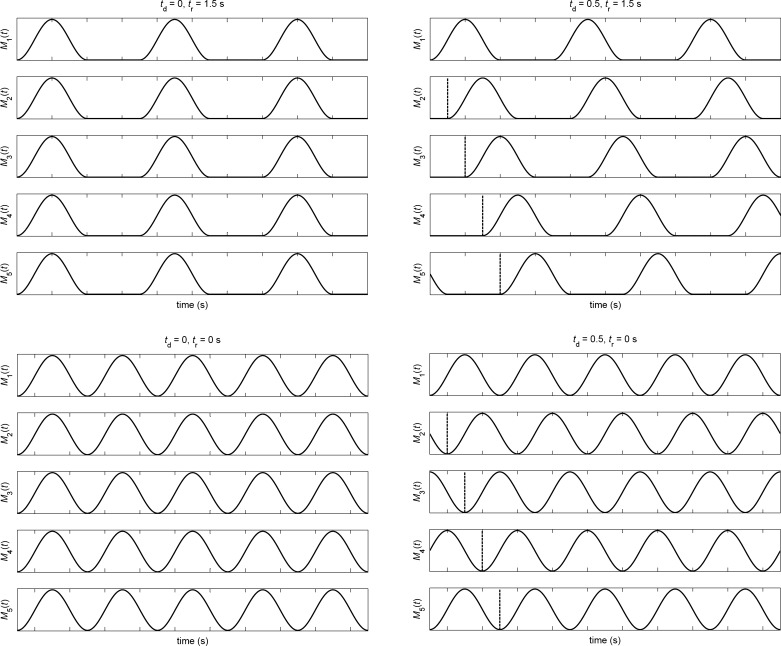
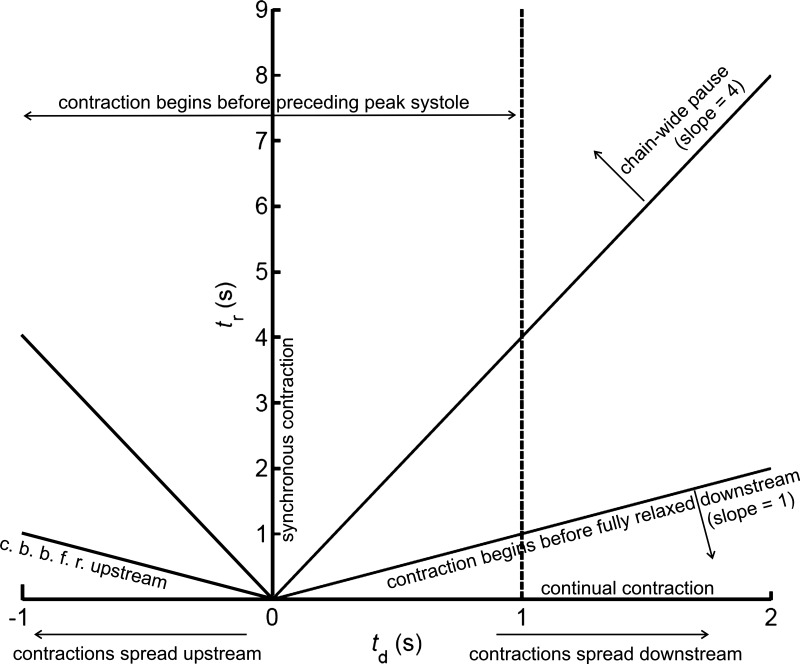
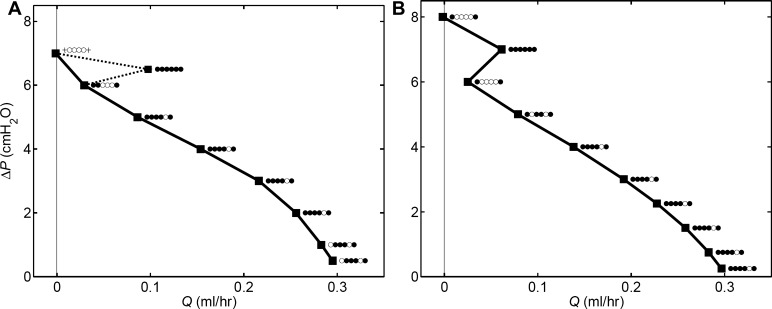
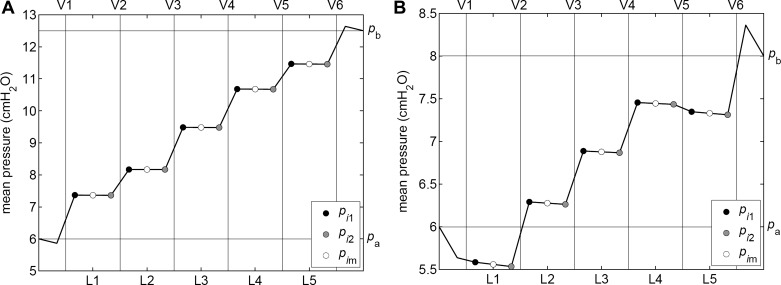
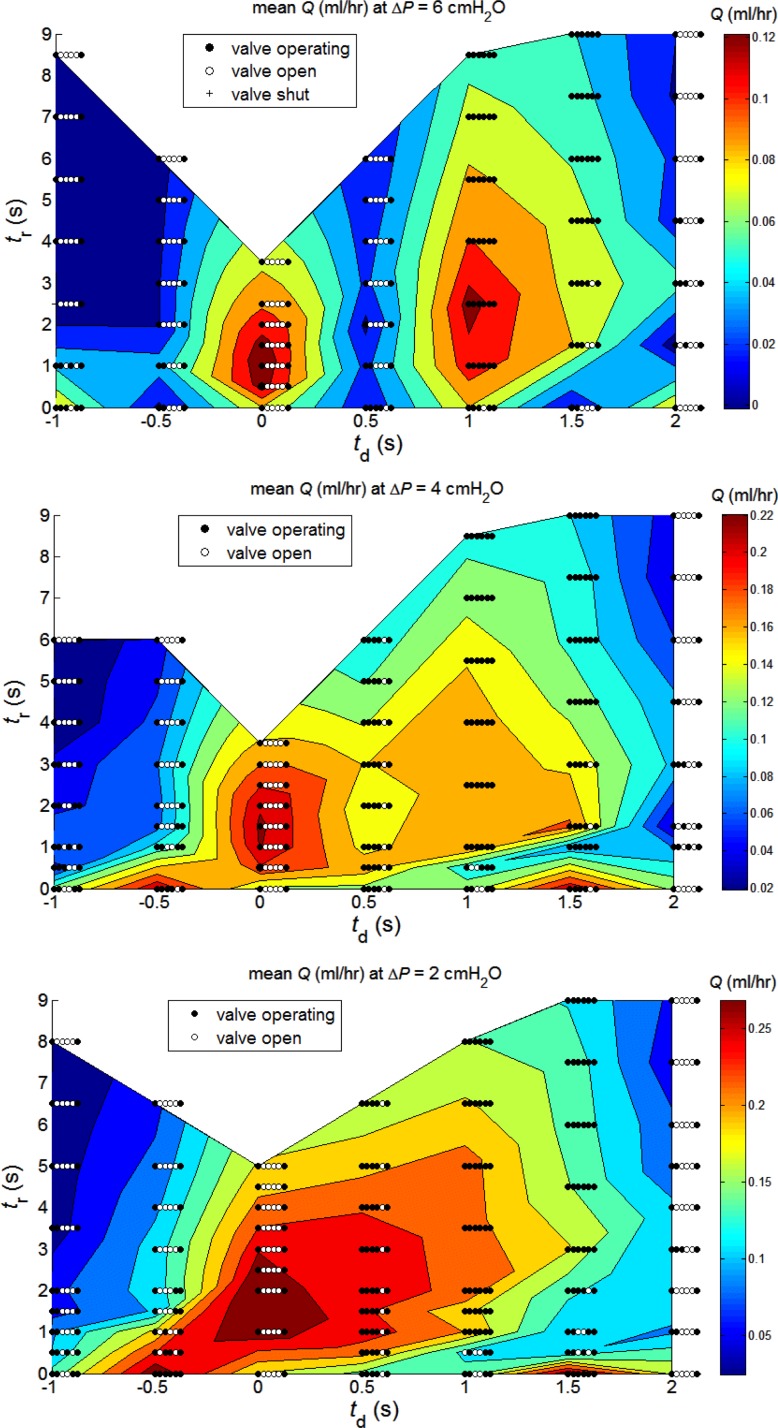
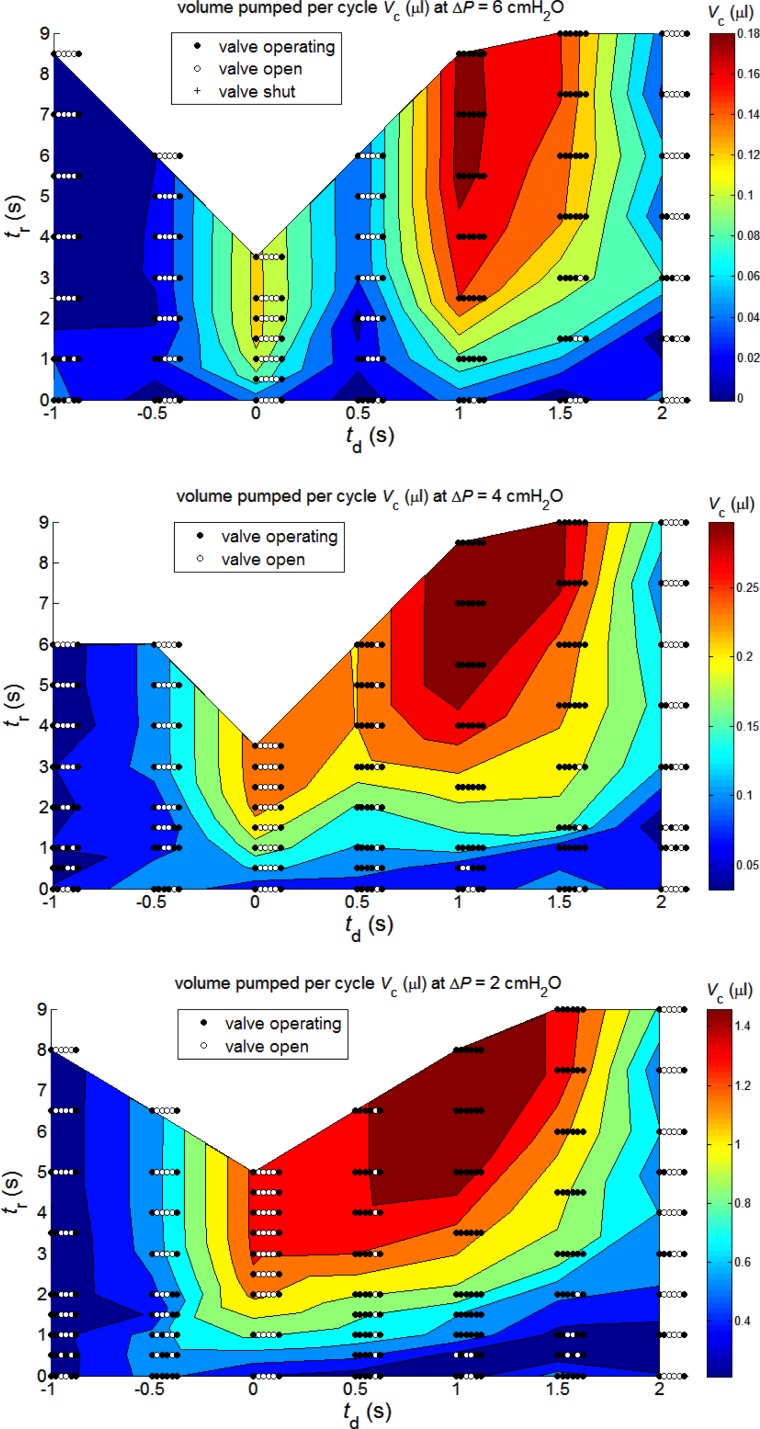
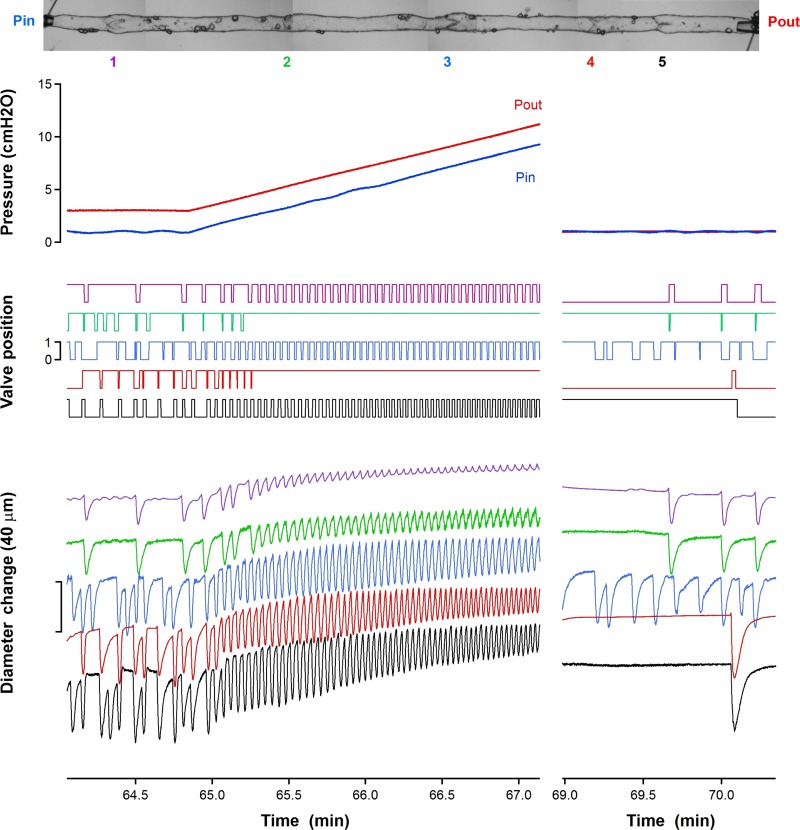
The observed properties of valves in collecting lymphatic vessels include transmural pressure-dependent bias to the open state and hysteresis. The bias may reduce resistance to flow when the vessel is functioning as a conduit. However, lymphatic pumping implies a streamwise increase in mean pressure across each valve, suggesting that the bias is then potentially unhelpful. Lymph pumping by a model of several collecting lymphatic vessel segments (lymphangions) in series, which incorporated these properties, was investigated under conditions of adverse pressure difference while varying the refractory period between active muscular contractions and the inter-lymphangion contraction delay. It was found that many combinations of the timing parameters and the adverse pressure difference led to one or more intermediate valves remaining open instead of switching between open and closed states during repetitive contraction cycles. Cyclic valve switching was reliably indicated if the mean pressure in a lymphangion over a cycle was higher than that in the lymphangion upstream, but either lack of or very brief valve closure could cause mean pressure to be lower downstream. Widely separated combinations of refractory period and delay time were found to produce the greatest flow-rate for a given pressure difference. The efficiency of pumping was always maximized by a long refractory period and lymphangion contraction starting when the contraction of the lymphangion immediately upstream was peaking. By means of an ex vivo experiment, it was verified that intermediate valves in a chain of pumping lymphangions can remain open, while the lymphangions on either side of the open valve continue to execute contractions.
Copyright © 2016 the American Physiological Society.
Figures
References
-
- Aukland K, Reed RK. Interstitial-lymphatic mechanisms in the control of extracellular fluid volume. Physiol Rev 73: 1–78, 1993. - PubMed
-
- Baez S. Flow properties of lymph—a microcirculatory study. In: Flow Properties of Blood and Other Biological Systems, edited by Copley AL and Stainsby G. Oxford, UK: Pergamon, 1960, p. 398–411.
-
- Benoit JN, Zawieja DC, Goodman AH, Granger HJ. Characterization of intact mesenteric lymphatic pump and its responsiveness to acute edemagenic stress. Am J Physiol Heart Circ Physiol 257: H2059–H2069, 1989. - PubMed
Publication types
MeSH terms
Grants and funding
LinkOut - more resources
Full Text Sources
Other Literature Sources
