Review
. 2016 Mar;32(3):197-206.
doi: 10.1016/j.pt.2015.12.001. Epub 2015 Dec 29.

Identification, Validation, and Application of Molecular Diagnostics for Insecticide Resistance in Malaria Vectors

Affiliations
Review

Identification, Validation, and Application of Molecular Diagnostics for Insecticide Resistance in Malaria Vectors

Martin J Donnelly et al. Trends Parasitol. 2016 Mar.

Abstract

Insecticide resistance is a major obstacle to control of Anopheles malaria mosquitoes in sub-Saharan Africa and requires an improved understanding of the underlying mechanisms. Efforts to discover resistance genes and DNA markers have been dominated by candidate gene and quantitative trait locus studies of laboratory strains, but with greater availability of genome sequences a shift toward field-based agnostic discovery is anticipated. Mechanisms evolve continually to produce elevated resistance yielding multiplicative diagnostic markers, co-screening of which can give high predictive value. With a shift toward prospective analyses, identification and screening of resistance marker panels will boost monitoring and programmatic decision making.


Figures

Figure 1
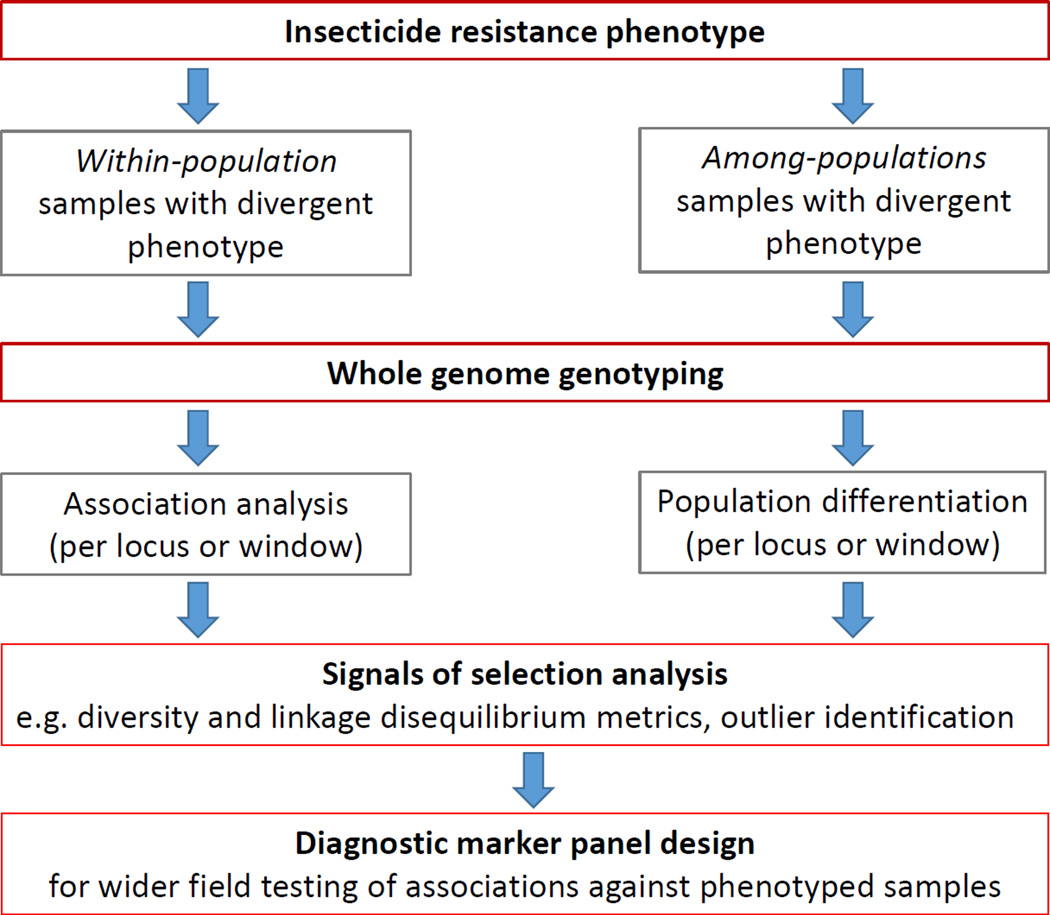
Figure 1. DNA-based resistance marker discovery pipeline
The discovery pipeline begins with an observation of a decreased insecticide sensitivity phenotype in one or more Anopheles populations. Possible options for discovery then diverge. On the left hand side mosquitoes are tested for insecticide resistance (typically using bioassays) from within a single population, yielding resistant and susceptible mosquitoes for whole genome genotyping. On the right hand side mosquitoes from separate populations of known phenotype are compared (the samples themselves may or may not be phenotyped) by whole genome genotyping. The former lessens the risk of false positives but at a possible cost of reduced sensitivity. In both cases, the next step involves comparison of allele frequencies between the groups of different resistance status, though the exact analyses and metrics may be different for within and among population analyses. Collection-appropriate population genetic analyses are conducted to localise signatures of selection and inter-population divergence to genomic regions, and representative markers from these regions are used for replication of genotype:phenotype associations in independent samples. Figures 2 illustrates a different, but overlapping approach for discovery from a known candidate gene, whereas Figure 3 illustrates the alternative functional validation pathway.
Figure 2
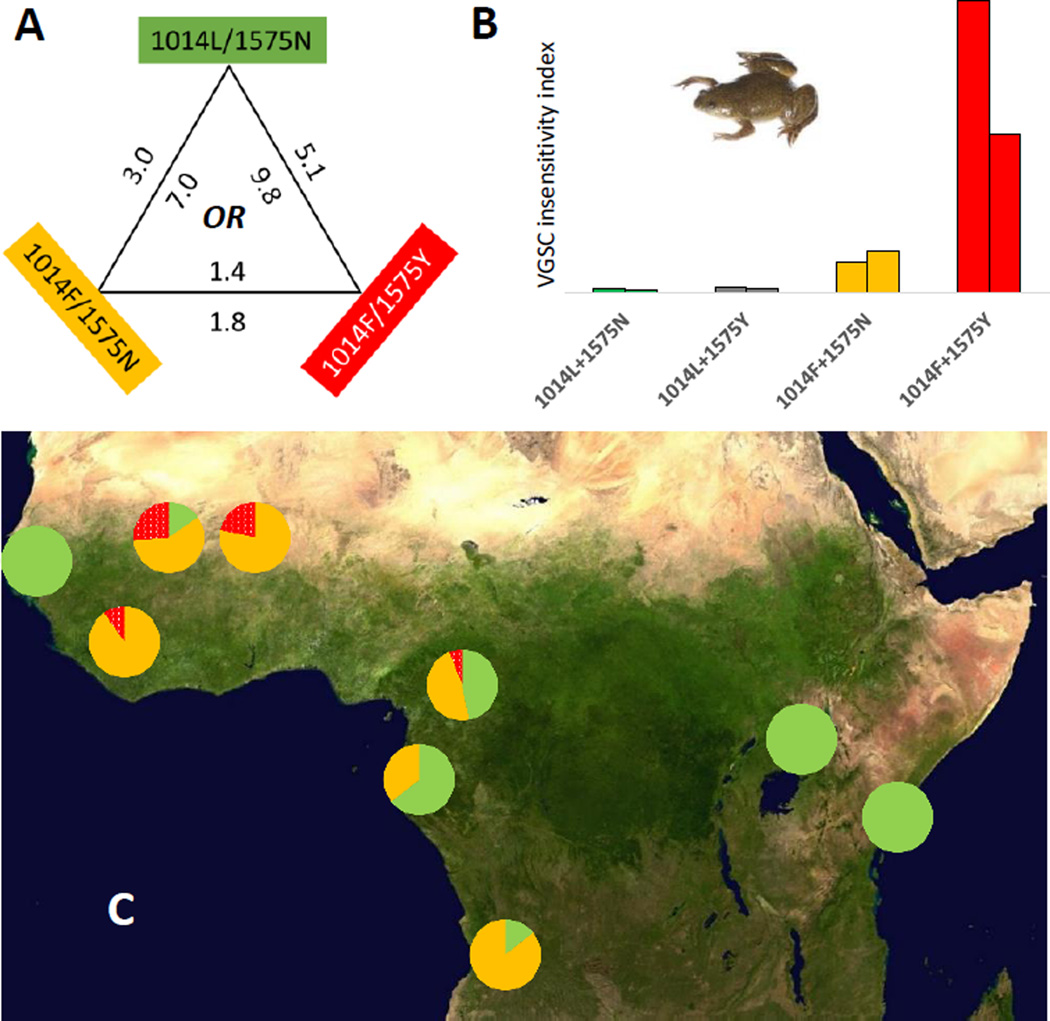
Figure 2. Discovery, assessment and validation of a novel target site mutation
(A) Sequencing of the insecticide target site gene, Vgsc, detected a non-synonymous polymorphism, N1575Y. Genotyping of resistance-phenotyped mosquitoes from Burkina Faso revealed that for dichlorodiphenyltrichloroethane (DDT) and two pyrethroid insecticides (average odds ratios, (OR) across insecticides are shown) 1575Y significantly added to the resistance conferred by 1014F, in both Anopheles gambiae (OR inside triangle) and Anopheles coluzzii (OR outside triangle) [17]. (B) Functional validation of the synergistic effect of 1014F and 1575Y on pyrethroid resistance was provided via expression in Xenopus oocytes which demonstrated that 1575Y alone conferred no resistance. Quantitatively, the y-axis shows the concentration of insecticide required to activate 20% of sodium channels on a linear scale of 0–10µM [18]. (C) Vgsc-1575Y is widespread across West and West-Central Africa (pie chart colours correspond to haplotype colours in A) but not in East Africa to date (data from [17] and http://www.malariagen.net/projects/vector/ag1000g).
Figure 3
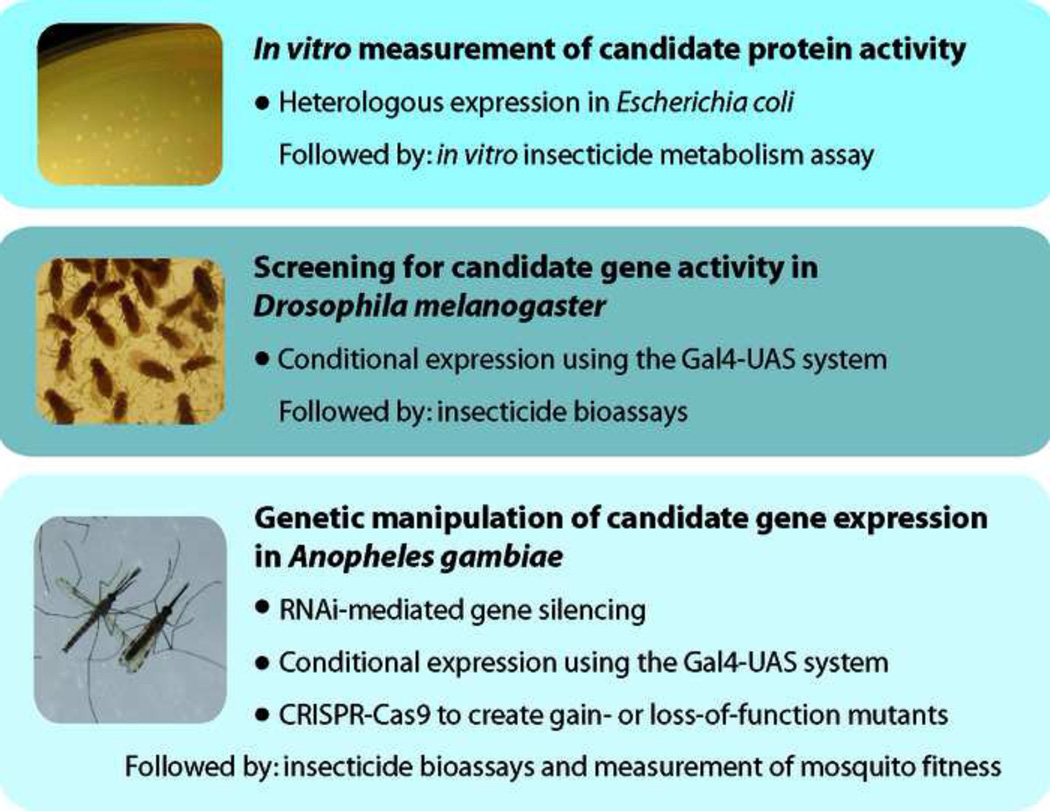
Figure 3. Strategies for functional validation of novel resistance-associated candidate genes or allelic variants
Validation of a resistance candidate is often performed using multiple in vitro and in vivo strategies, however the choice of organism may depend upon cost, timescale, and the availability of insect culturing facilities. Two transformation systems that have the potential for high-throughput screening of candidates are Gal4-UAS and CRISPR-Cas9 [50, 51]. Gal4-UAS allows for conditional transgene expression, as your gene of interest is under the transcriptional control of Gal4 binding sites. The Gal4 yeast transactivator is encoded by a separate transgene containing user-selected regulatory sequences. Your gene of interest is expressed only when these two transgenes are joined in a single organism through genetic crosses. Alternatively, the CRISPR-Cas9 transformation system can be used if the desired outcome is a site-specific mutation or transgene insertion. When provided either in vivo or in vitro, the Cas9 nuclease creates double-stranded breaks in genomic DNA sequences complementary to a single guide RNA. These breaks are most commonly repaired through non-homologous end joining, which results in short insertions and deletions. If a plasmid DNA donor containing regions of homology is provided, homology-directed repair can result in insertion of donor sequence.

References

    1. O'Meara WP, et al. Changes in the burden of malaria in sub-Saharan Africa. Lancet Infectious Diseases. 2010;10(8):545–555. - PubMed
    1. Denholm I, Devine GJ, Williamson MSI. Evolutionary genetics - Insecticide resistance on the move. Science. 2002;297(5590):2222–2223. - PubMed
    1. Ranson H, et al. Pyrethroid resistance in African anopheline mosquitoes: what are the implications for malaria control? Trends Parasitol. 2011;27:91–97. - PubMed
    1. Edi CVA, et al. Multiple-Insecticide Resistance in Anopheles gambiae Mosquitoes, Southern Cote d'Ivoire. Emerging Infectious Diseases. 2012;18(9):1508–1511. - PMC - PubMed
    1. Mawejje HD, et al. Insecticide resistance monitoring of field-collected Anopheles gambiae s.l. populations from Jinja, eastern Uganda, identifies high levels of pyrethroid resistance. Medical and Veterinary Entomology. 2013;27(3):276–283. - PMC - PubMed

Publication types

MeSH terms

Substances

LinkOut - more resources