


Bariatric Surgery and the Neuro-Ophthalmologist
- PMID: 26764529
- PMCID: PMC4755831
- DOI: 10.1097/WNO.0000000000000332
Bariatric Surgery and the Neuro-Ophthalmologist
Abstract
Background: As the prevalence of obesity increases, so, too, do the prevalences of weight-related diseases and surgical procedures to promote weight loss. It is important for neuro-ophthalmologists to be familiar with these procedures and possible downstream effects on afferent and efferent visual function.
Evidence acquisition: Review of ophthalmology, neurology, general surgery, obesity, endocrinology, nutrition, psychiatry, and neurosurgery literature.
Results: Bariatric surgery is a safe and effective treatment for weight loss in obese individuals. There is Level IV evidence that it is associated with improvement in idiopathic intracranial hypertension (IIH). Laboratory nutrient deficiencies are common following some types of bariatric procedures. Symptomatic deficiencies are less common but can be devastating. Thiamine deficiency can cause nystagmus and other symptoms in weeks to months after surgery, whereas B12 or copper deficiency can cause optic neuropathy in years to decades following bariatric surgery.
Conclusions: Bariatric surgery is a potential treatment for IIH. Postoperative vitamin deficiencies may cause nystagmus, optic neuropathy, nyctalopia, and/or ophthalmoparesis weeks to years after surgery.
Figures
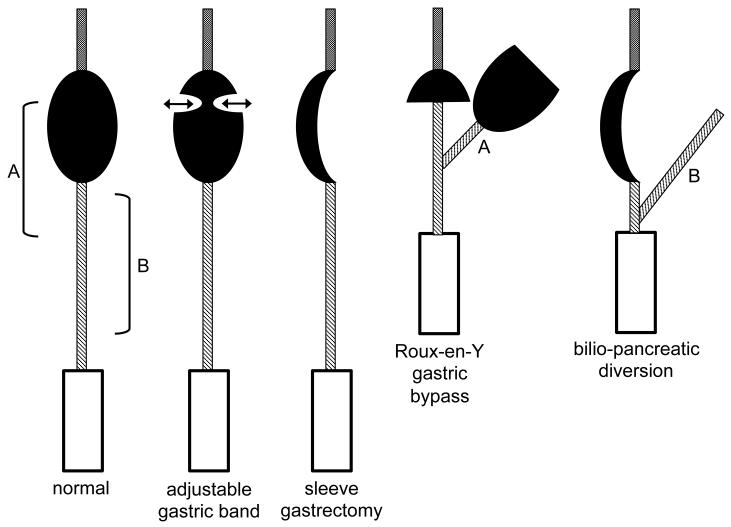
References
-
- Executive summary: Guidelines (2013) for the management of overweight and obesity in adults: a report of the American College of Cardiology/American Heart Association Task Force on Practice Guidelines and the Obesity Society published by the Obesity Society and American College of Cardiology/American Heart Association Task Force on Practice Guidelines. Based on a systematic review from the The Obesity Expert Panel, 2013. Obesity. 2014;22:S5–S39. - PubMed
-
- Oria HE, Moorehead MK. Bariatric analysis and reporting outcome system (BAROS) Obes Surg. 1998;8:487–499. - PubMed
-
- Ali MR, Maguire MB, Wolfe BM. Assessment of obesity-related comorbidities: a novel scheme for evaluating bariatric surgical patients. Journal of the American College of Surgeons. 2006;202:70–77. - PubMed
-
- Krispel CM, Keltner JL, Smith W, Chu DG, Ali MR. Undiagnosed papilledema in a morbidly obese patient population: a prospective study. J Neuroophthalmol. 2011;31:310–315. - PubMed
-
- Hamdallah IN, Shamseddeen HN, Getty JL, Smith W, Ali MR. Greater than expected prevalence of pseudotumor cerebri: a prospective study. Surg Obes Relat Dis. 2013;9:77–82. - PubMed
Publication types
MeSH terms
Grants and funding
LinkOut - more resources
Full Text Sources
Other Literature Sources
Medical
Research Materials
