


Sleep Habits of Elementary and Middle School Children in South Texas
- PMID: 26770835
- PMCID: PMC4681792
- DOI: 10.1155/2015/179103
Sleep Habits of Elementary and Middle School Children in South Texas
Abstract
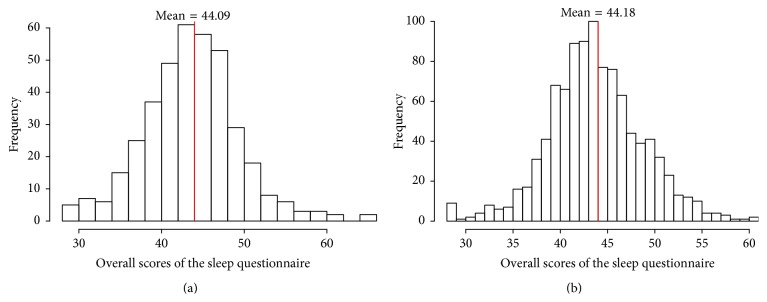
Background. Sleep difficulties, including insufficient sleep and inadequate sleep hygiene, have been prevalent among children. Sleep deprivation can lead to poor grades, sleepiness, and moodiness. We undertook this study to assess the prevalence of sleep abnormalities among elementary and middle school students in South Texas and how the groups compare with one another. Method. After approval from the appropriate school district for a sleep education program, a baseline survey was taken of elementary and middle school students, using the Children's Sleep Habit Questionnaire-Sleep Self-Report Form, which assessed the domains of bedtime resistance, sleep onset delay, sleep anxiety, sleep duration, night awakening, and daytime sleepiness. Results. The survey was completed by 499 elementary and 1008 middle school children. Trouble sleeping was reported by 43% in elementary school, compared with 29% of middle school children. Fifty percent of middle school children did not like sleeping, compared with 26% in elementary school. Bedtime resistance, sleep onset delay, and nighttime awakening were more common among elementary school students. Daytime sleepiness was more common among the middle school children when compared to elementary school children. Conclusions. Sleep abnormalities are present in elementary school children with changes in sleep habits into middle school.
Figures
References
-
- American Academy of Orthopaedic Surgeons. International Classification of Sleep Disorders. 3rd. Darien, Ill, USA: American Academy of Sleep Medicine; 2014.
LinkOut - more resources
Full Text Sources
Other Literature Sources
