


Potential of Dietary Non-Provitamin A Carotenoids in the Prevention and Treatment of Diabetic Microvascular Complications
- PMID: 26773012
- PMCID: PMC4717886
- DOI: 10.3945/an.115.009803
Potential of Dietary Non-Provitamin A Carotenoids in the Prevention and Treatment of Diabetic Microvascular Complications
Abstract
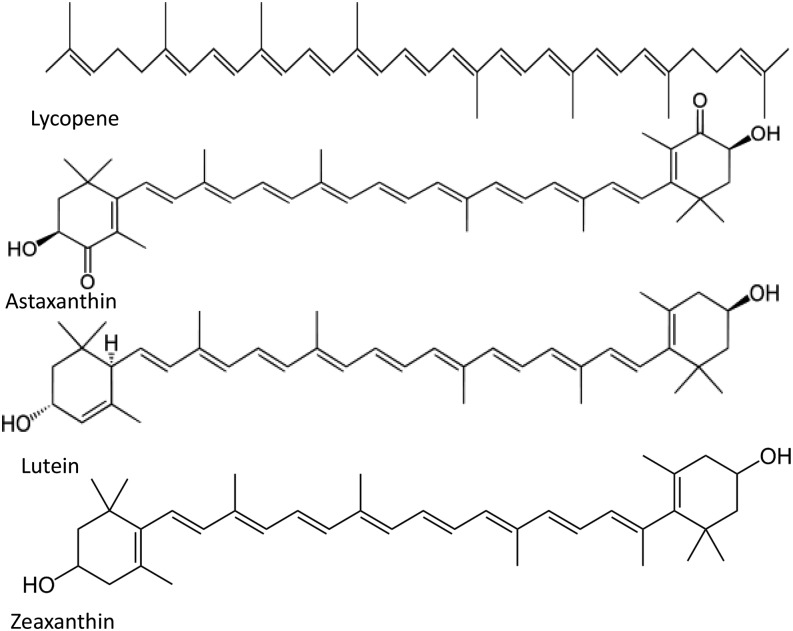
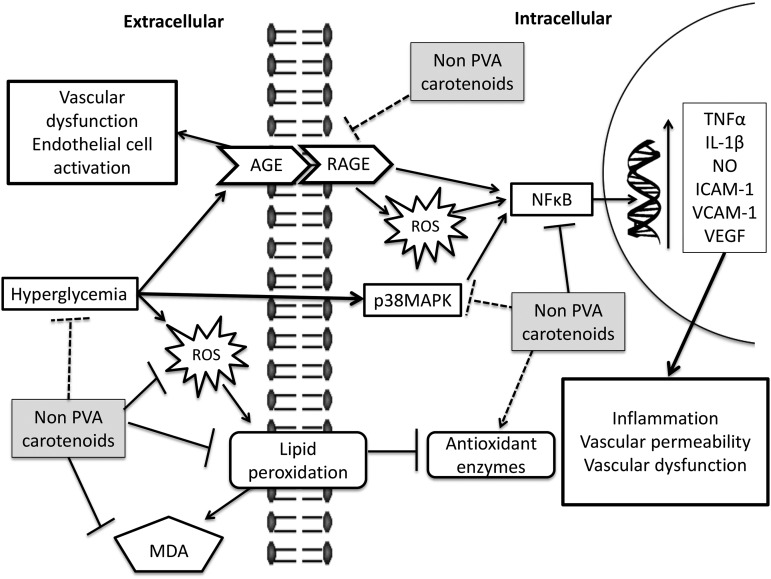
Diabetes is a chronic metabolic disease that affects a substantial part of the population around the world. Whether type I or type II, this disease has serious macro- and microvascular complications that constitute the primary cause of death in diabetic patients. Microvascular complications include diabetic retinopathy, nephropathy, and neuropathy. Although these complications are clinically and etiologically diverse, they share a common factor: glucose-induced damage. In the progression of diabetic complications, oxidative stress, inflammation, and the formation of glycation end products play an important role. Previous studies have shown that a healthy diet is vital in preventing these complications; in particular, the intake of antioxidants has been studied for their potential effect in ameliorating hyperglycemic injuries. Carotenoids are lipid-soluble pigments synthesized by plants, bacteria, and some kinds of algae that are responsible for the yellow, red, and orange colors in food. These compounds are part of the antioxidant machinery in plants and have also shown their efficacy in quenching free radicals, scavenging reactive oxygen species, modulating gene expression, and reducing inflammation in vitro and in vivo, showing that they can potentially be used as part of a preventive strategy for metabolic disorders, including diabetes and its related complications. This review highlights the potential protective effects of 4 non-provitamin A carotenoids--lutein, zeaxanthin, lycopene, and astaxanthin--in the development and progression of diabetic microvascular complications.
Keywords: carotenoids; diabetes; inflammation; microvascular complications; oxidative stress.
© 2016 American Society for Nutrition.
Conflict of interest statement
Author disclosures: AG Murillo and ML Fernandez, no conflicts of interest.
Figures
References
-
- Maritim AC, Sanders RA, Watkins JB III. Diabetes, oxidative stress, and antioxidants: a review. J Biochem Mol Toxicol 2003;17:24–38. - PubMed
-
- Rahimi R, Nikfar S, Larijani B, Abdollahi M. A review on the role of antioxidants in the management of diabetes and its complications. Biomed Pharmacother 2005;59:365–73. - PubMed
Publication types
MeSH terms
Substances
LinkOut - more resources
Full Text Sources
Other Literature Sources
Medical
