


Epigenetic Regulation of Enteric Neurotransmission by Gut Bacteria
- PMID: 26778967
- PMCID: PMC4705220
- DOI: 10.3389/fncel.2015.00503
Epigenetic Regulation of Enteric Neurotransmission by Gut Bacteria
Abstract
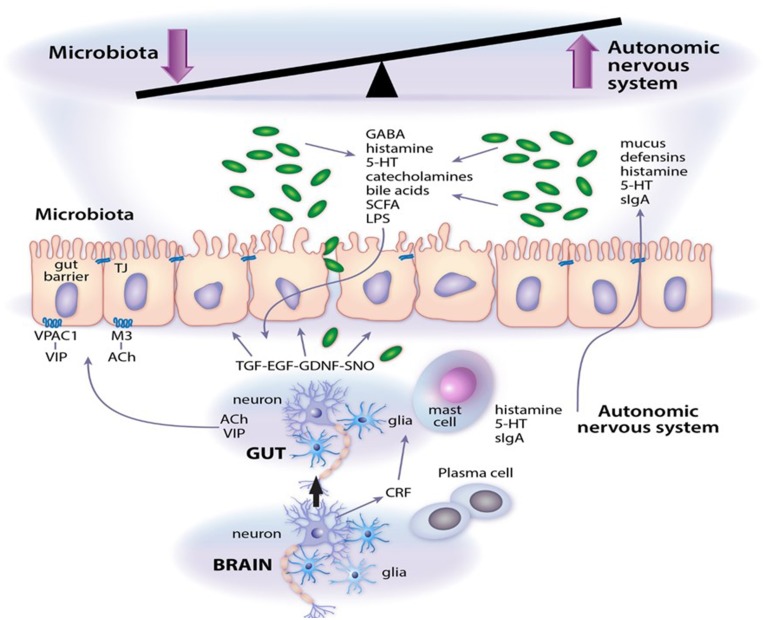
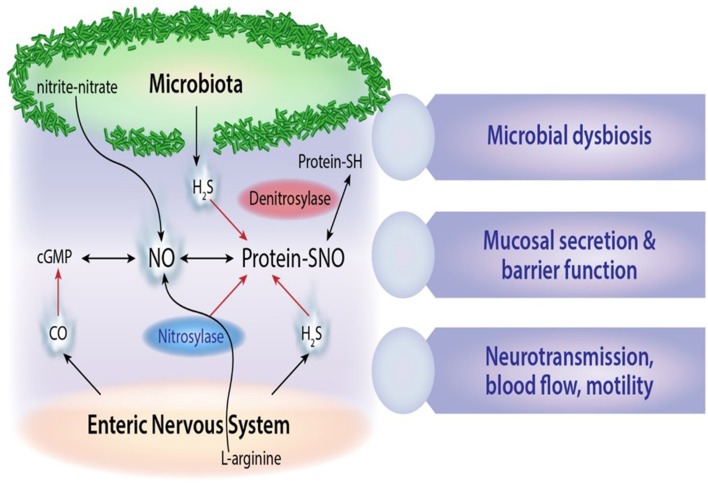
The Human Microbiome Project defined microbial community interactions with the human host, and provided important molecular insight into how epigenetic factors can influence intestinal ecosystems. Given physiological context, changes in gut microbial community structure are increasingly found to associate with alterations in enteric neurotransmission and disease. At present, it is not known whether shifts in microbial community dynamics represent cause or consequence of disease pathogenesis. The discovery of bacterial-derived neurotransmitters suggests further studies are needed to establish their role in enteric neuropathy. This mini-review highlights recent advances in bacterial communications to the autonomic nervous system and discusses emerging epigenetic data showing that diet, probiotic and antibiotic use may regulate enteric neurotransmission through modulation of microbial communities. A particular emphasis is placed on bacterial metabolite regulation of enteric nervous system function in the intestine.
Keywords: enteric nervous system; epigenetics; intestinal disease; metabolome; microbiome; neuropathy; neurotransmitters; nitric oxide.
Figures
References
-
- Centers for Disease Control and Prevention (CDC) (2013). Antibiotic Resistance Threats in the United States. Atlanta, GA: U.S. Department of Health and Human Services, Centers for Disease Control and Prevention. Available online at: www.cdc.gov/drugresistance
Publication types
Grants and funding
LinkOut - more resources
Full Text Sources
Other Literature Sources
