


Current concepts on burn wound conversion-A review of recent advances in understanding the secondary progressions of burns
- PMID: 26787127
- PMCID: PMC4947443
- DOI: 10.1016/j.burns.2015.11.007
Current concepts on burn wound conversion-A review of recent advances in understanding the secondary progressions of burns
Abstract
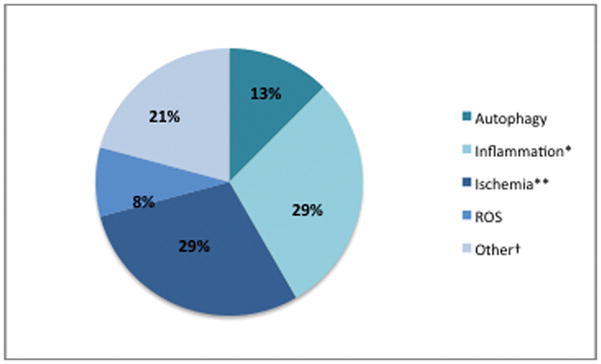
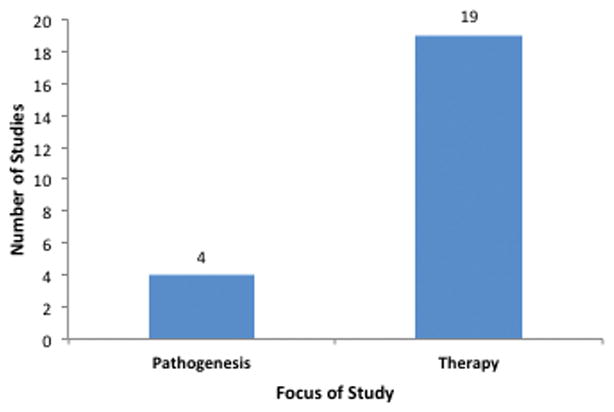
Burn wound conversion describes the process by which superficial partial thickness burns convert into deeper burns necessitating surgical intervention. Fully understanding and thus controlling this phenomenon continues to defy burn surgeons. However, potentially guiding burn wound progression so as to obviate the need for surgery while still bringing about healing with limited scarring is the major unmet challenge. Comprehending the pathophysiologic background contributing to deeper progression of these burns is an essential prerequisite to planning any intervention. In this study, a review of articles examining burn wound progression over the last five years was conducted to analyze trends in recent burn progression research, determine changes in understanding of the pathogenesis of burn conversion, and subsequently examine the direction for future research in developing therapies. The majority of recent research focuses on applying therapies from other disease processes to common underlying pathogenic mechanisms in burn conversion. While ischemia, inflammation, and free oxygen radicals continue to demonstrate a critical role in secondary necrosis, novel mechanisms such as autophagy have also been shown to contribute affect significantly burn progression significantly. Further research will have to determine whether multiple mechanisms should be targeted when developing clinical therapies.
Keywords: Autophagy; Burn wound conversion; Secondary burn progression.
Copyright © 2015 Elsevier Ltd and ISBI. All rights reserved.
Figures
References
-
- American Burn Association. National burn repository. 2014.
-
- Jackson DM. The diagnosis of the depth of burning. The British journal of surgery. 1953;40:588–96. - PubMed
-
- Jackson DM. Second thoughts on the burn wound. The Journal of trauma. 1969;9:839–62. - PubMed
-
- Shakespeare P. Burn wound healing and skin substitutes. Burns: journal of the International Society for Burn Injuries. 2001;27:517–22. - PubMed
-
- Johnson RM, Richard R. Partial-thickness burns: identification and management. Adv Skin Wound Care. 2003;16:178–87. quiz 88–9. - PubMed
Publication types
MeSH terms
Substances
Grants and funding
LinkOut - more resources
Full Text Sources
Other Literature Sources
Medical
