


Chronic kidney disease hotspots in developing countries in South Asia
- PMID: 26798474
- PMCID: PMC4720189
- DOI: 10.1093/ckj/sfv109
Chronic kidney disease hotspots in developing countries in South Asia
Abstract
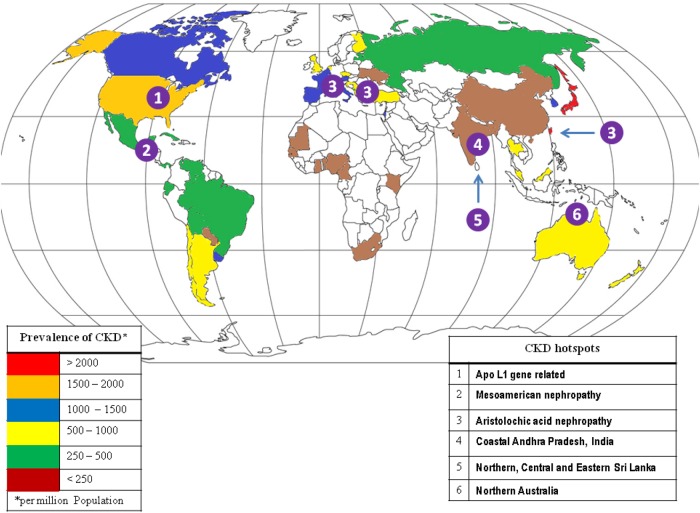
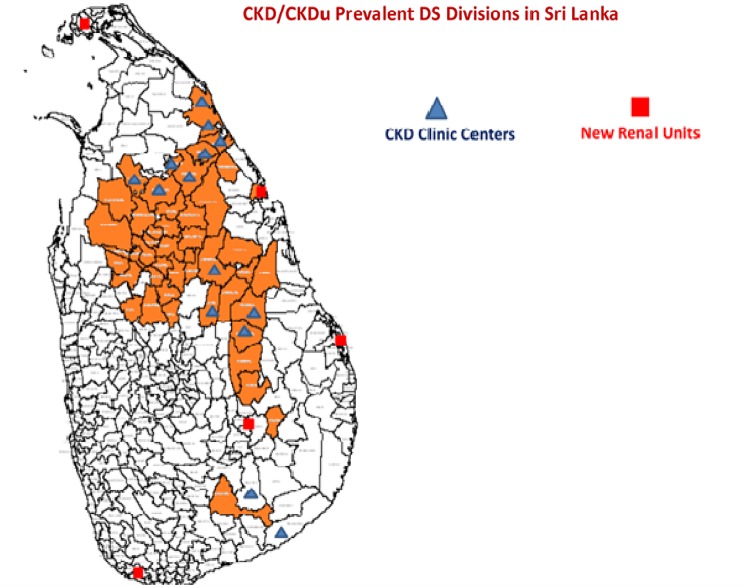
In many developing countries in the South Asian region, screening for chronic diseases in the community has shown a widely varying prevalence. However, certain geographical regions have shown a high prevalence of chronic kidney disease (CKD) of unknown etiology. This predominantly affects the young and middle-aged population with a lower socioeconomic status. Here, we describe the hotspots of CKD of undiagnosed etiology in South Asian countries including the North, Central and Eastern provinces of Sri Lanka and the coastal region of the state of Andhra Pradesh in India. Screening of these populations has revealed cases of CKD in various stages. Race has also been shown to be a factor, with a much lower prevalence of CKD in whites compared to Asians, which could be related to the known influence of ethnicity on CKD development as well as environmental factors. The difference between developed and developing nations is most stark in the realm of healthcare, which translates into CKD hotspots in many regions of South Asian countries. Additionally, the burden of CKD stage G5 remains unknown due to the lack of registry reports, poor access to healthcare and lack of an organized chronic disease management program. The population receiving various forms of renal replacement therapy has dramatically increased in the last decade due to better access to point of care, despite the disproportionate increase in nephrology manpower. In this article we will discuss the nephrology care provided in various countries in South Asia, including India, Bangladesh, Pakistan, Nepal, Bhutan, Sri Lanka and Afghanistan.
Keywords: CKD; diabetes mellitus; glomerulonephritis; glomerulosclerosis; pediatrics.
Figures
References
-
- Roderick PJ, Jeffrey RF, Yuen HM, et al. Smaller kidney size at birth in South Asians: findings from the Born in Bradford birth cohort study. Nephrol Dial Transplant 2015; doi:10.1093/ndt/gfv274 - DOI - PMC - PubMed
-
- 2nd Annual Report CKD Registry of India. Indian Society of Nephrology., 2007. www.ckdri.org (May 2014, date last accessed)
-
- Chandie Shaw PK, Vandenbroucke JP, Tjandra YI, et al. Increased end-stage diabetic nephropathy in Indo-Asian immigrants living in the Netherlands. Diabetologia 2002; 45: 337–341 - PubMed
-
- Ball S, Lloyd J, Cairns T, et al. Why is there so much end stage renal failure of undetermined cause in the Indo-Asian population? QJM 2001; 94: 187–193 - PubMed
-
- Goodyer P, Kurpad A, Rekha S, et al. Effects of maternal vitamin A status on kidney development: a pilot study. Pediatr Nephrol 2007; 22: 209–214 - PubMed
LinkOut - more resources
Full Text Sources
Other Literature Sources
