


Prenatal screening for psychosocial risks in a high risk-population in Peru using the KINDEX interview
- PMID: 26801404
- PMCID: PMC4722714
- DOI: 10.1186/s12884-016-0799-x
Prenatal screening for psychosocial risks in a high risk-population in Peru using the KINDEX interview
Abstract
Background: Prenatal stress and other prenatal risk factors (e.g. intimate partner violence) have a negative impact on mother's health, fetal development as well as enduring adverse effects on the neuro-cognitive, behavioral and physical health of the child. Mothers of low socio-economic status and especially those living in crime-ridden areas are even more exposed to a host of risk factors. Societies of extreme violence, poverty and inequalities, often present difficulties to provide adequate mental health care to the most needed populations. The KINDEX, a brief standardized instrument that assesses 11 different risk factors was used by midwives to identify pregnant women at-risk, in a suburban area with one of the highest levels of domestic violence in Lima. The instrument was designed to be used by medical staff to identify high-risk child-bearing women and, based on the results, to refer them to the adequate psychological or social support providers. The aim of this study is to assess the feasibility of psychosocial screening using the KINDEX in a Latin American Country for the first time, and to explore the relationship of the KINDEX with thee major risk areas, maternal psychopathology, perceived stress and traumatic experiences.
Methods: The study was conducted in cooperation with the gynecological department of a general hospital in a suburban area of Lima. Nine midwives conducted interviews using the KINDEX of ninety-five pregnant women attending the gynecological unit of the hospital. From these, forty pregnant women were re-interviewed by a clinical psychologist using established instruments in order to assess the feasibility of the prenatal assessment in public health settings and the relationship of the KINDEX with maternal perceived stress, psychopathology symptoms and trauma load during pregnancy.
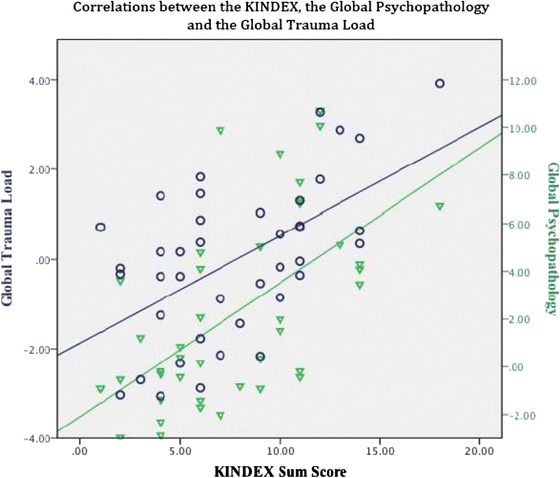
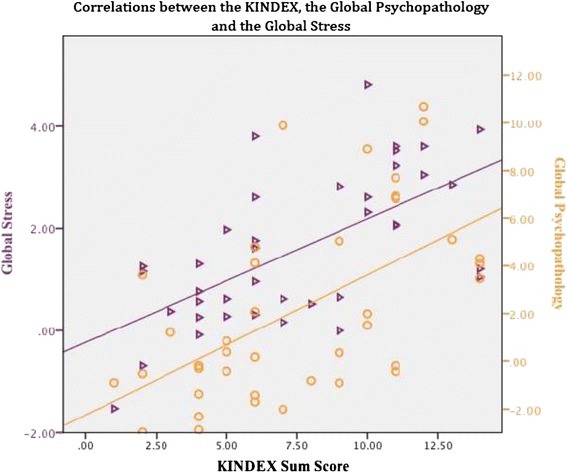
Results: We found high rates of risk factors in the examined pregnant women comparable with those found in the general population. Significant correlations were found between the KINDEX sum score and the three risks areas, stress, psychopathology and trauma load as assessed in the Clinical Expert interviews. The different risks assessed by the KINDEX are related to higher levels of stress, psychopathology and trauma load, depending on the risk.
Conclusions: The relationship between past adverse experience and current stressors with perceived maternal stress, psychopathology symptoms and traumatic experiences confirm the importance of prenatal assessment for psychosocial risks. The use of KINDEX by midwives providing obstetrical care to pregnant women in urban Peru is feasible and can be used to identify high-risk women and refer them to the adequate mental health or social services for necessary attention and support. Early interventions are essential to mitigating the adverse effects of maternal stress, trauma and psychopathology on the fetus and child.
Figures
References
-
- Ford BC, Dalton VK, Lantz PM, Lori J, Noll TO, Robseth SB. Racial Disparities in Birth Outcomes: Poverty, Discrimination, and the Life Course of African American Women. African American Research Perspectives. 2005;11:48–64.
MeSH terms
LinkOut - more resources
Full Text Sources
Other Literature Sources
Medical
Miscellaneous
