


Comparative Transcriptome Analysis of Vibrio splendidus JZ6 Reveals the Mechanism of Its Pathogenicity at Low Temperatures
- PMID: 26801576
- PMCID: PMC4807526
- DOI: 10.1128/AEM.03486-15
Comparative Transcriptome Analysis of Vibrio splendidus JZ6 Reveals the Mechanism of Its Pathogenicity at Low Temperatures
Abstract
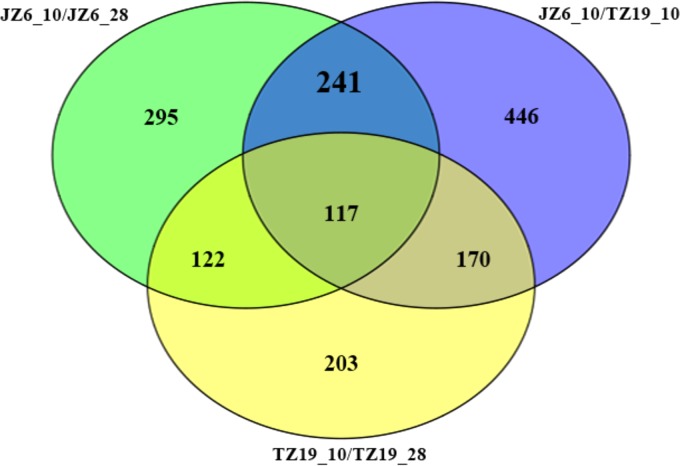
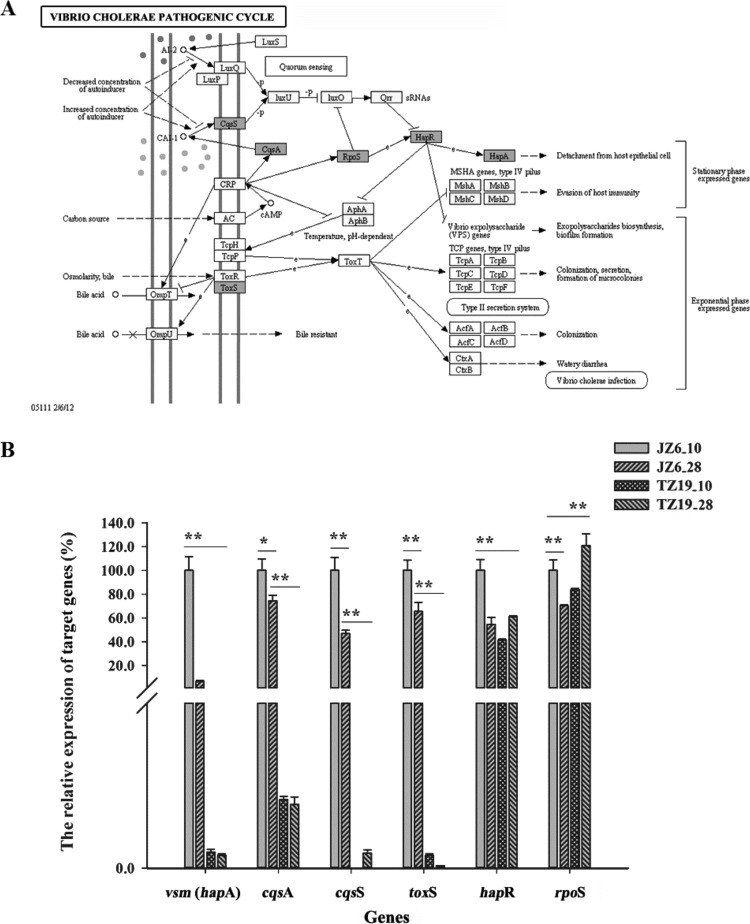
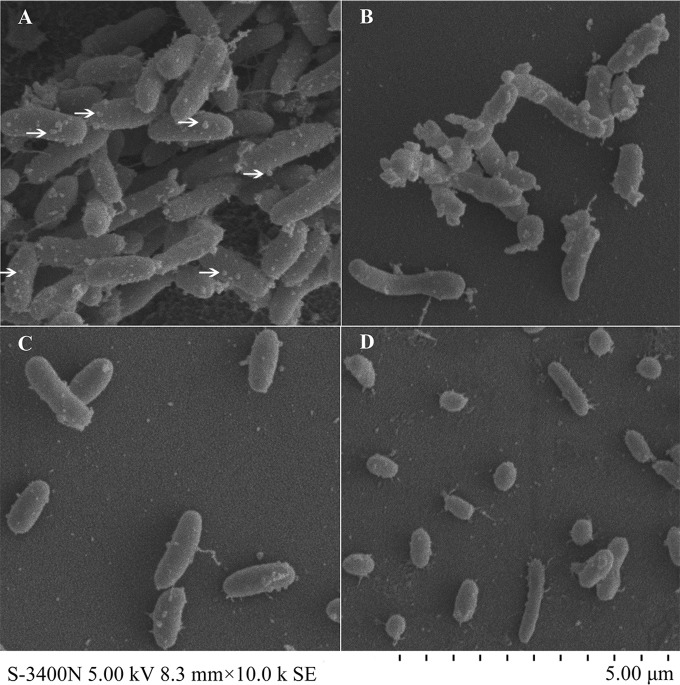
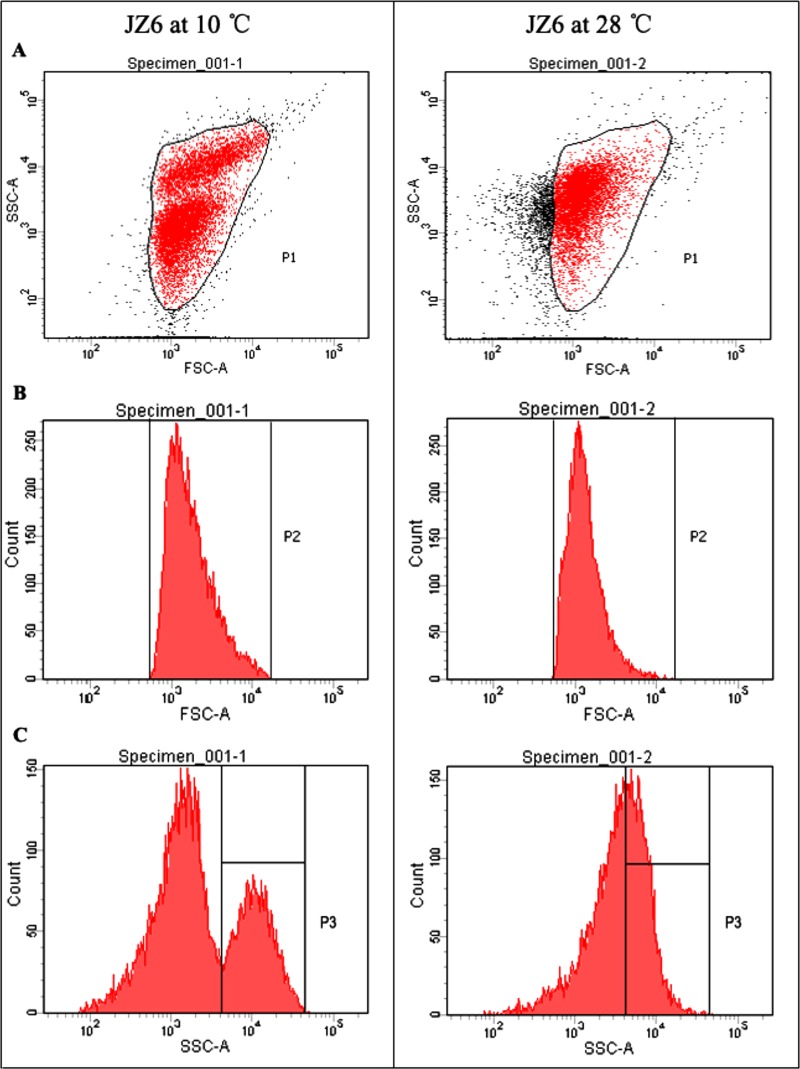
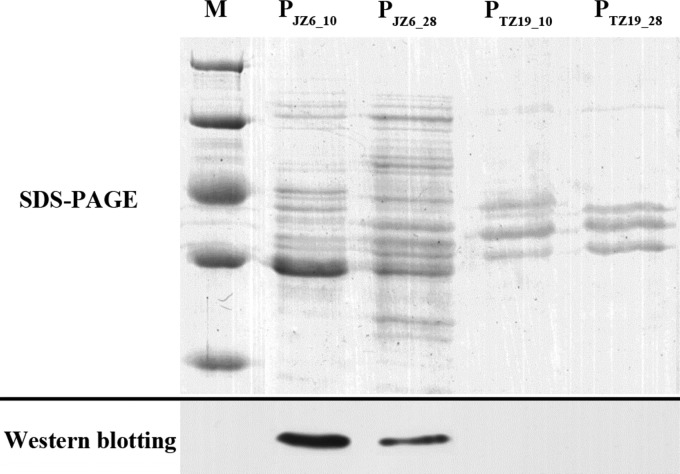
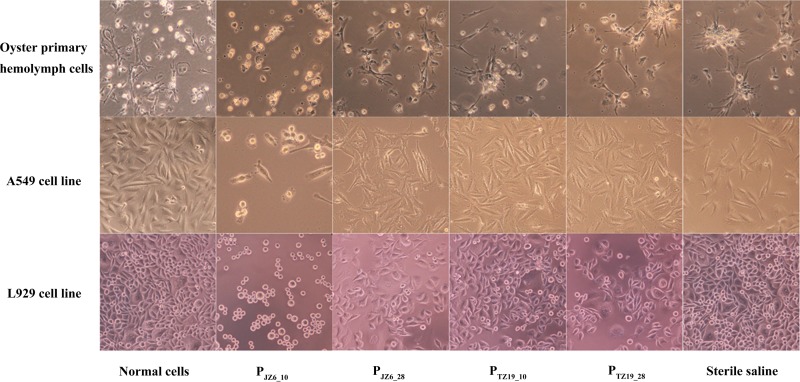
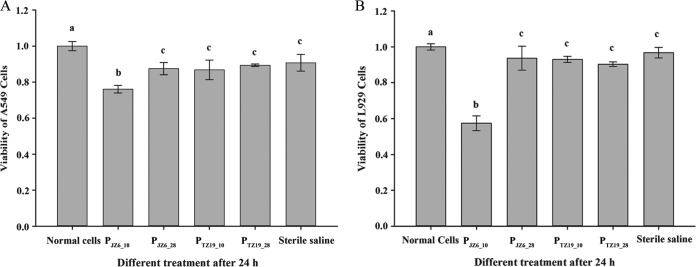
Yesso scallop-pathogenic Vibrio splendidus strain JZ6 was found to have the highest virulence at 10°C, while its pathogenicity was significantly reduced with increased temperature and completely incapacitated at 28°C. In the present study, comparative transcriptome analyses of JZ6 and another nonpathogenic V. splendidus strain, TZ19, were conducted at two crucial culture temperatures (10°C and 28°C) in order to determine the possible mechanism of temperature regulation of virulence. Comparisons among four libraries, constructed from JZ6 and TZ19 cultured at 10°C and 28°C (designated JZ6_10, JZ6_28, TZ19_10, and TZ19_28), revealed that 241 genes were possibly related to the increased virulence of JZ6 at 10°C. There were 10 genes, including 2 encoding Flp pilus assembly proteins (FlhG and VS_2437), 6 encoding proteins of the "Vibrio cholerae pathogenic cycle" (ToxS, CqsA, CqsS, RpoS, HapR, and Vsm), and 2 encoding proteins in the Sec-dependent pathway (SecE and FtsY), that were significantly upregulated in JZ6_10 (P < 0.05) compared to those in JZ6_28, TZ19_10, and TZ19_28, which were supposed to be responsible for adhesion, quorum sensing, virulence, and protein secretion of V. splendidus. When cultured at 10°C, JZ6 cells were larger and tended to aggregate more than those cultured at 28°C. The virulence factor (extracellular metalloprotease) was also found to be highly expressed in the extracellular product (ECP) of JZ6 at 10°C, and this ECP exhibited obvious cytotoxicity to oyster primary hemocytes, A549 cells, and L929 cells. These results indicated that low temperatures (10°C) could enhance adhesion, activate the quorum sensing systems, upregulate virulence factor synthesis and secretion, and, lastly, increase the pathogenicity of JZ6.
Copyright © 2016, American Society for Microbiology. All Rights Reserved.
Figures
References
-
- Lacoste A, Jalabert F, Malham S, Cueff A, Gélébart F, Cordevant C, Lange M, Poulet SA. 2001. A Vibrio splendidus strain is associated with summer mortality of juvenile oysters Crassostrea gigas in the Bay of Morlaix (North Brittany, France). Dis Aquat Organ 46:139–145. doi: 10.3354/dao046139. - DOI - PubMed
-
- Liu R, Qiu L, Yu Z, Zi J, Yue F, Wang L, Zhang H, Teng W, Liu X, Song L. 2013. Identification and characterisation of pathogenic Vibrio splendidus from Yesso scallop (Patinopecten yessoensis) cultured in a low temperature environment. J Invertebr Pathol 114:144–150. doi: 10.1016/j.jip.2013.07.005. - DOI - PubMed
Publication types
MeSH terms
Substances
LinkOut - more resources
Full Text Sources
Other Literature Sources
