Inhibition of Akt Enhances the Chemopreventive Effects of Topical Rapamycin in Mouse Skin
- PMID: 26801880
- PMCID: PMC4777684
- DOI: 10.1158/1940-6207.CAPR-15-0419
Inhibition of Akt Enhances the Chemopreventive Effects of Topical Rapamycin in Mouse Skin
Abstract
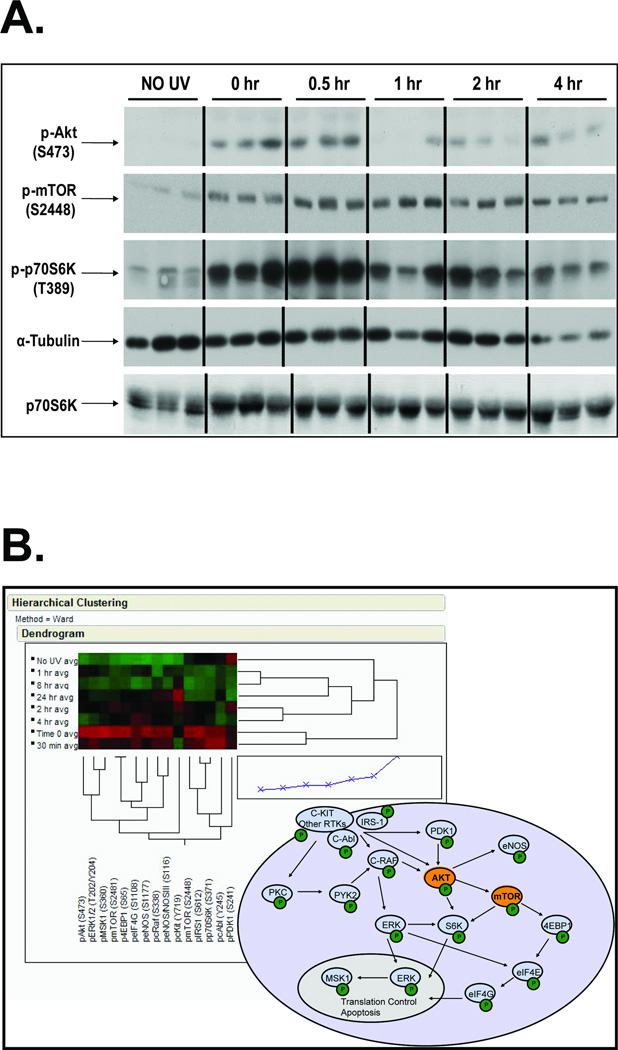
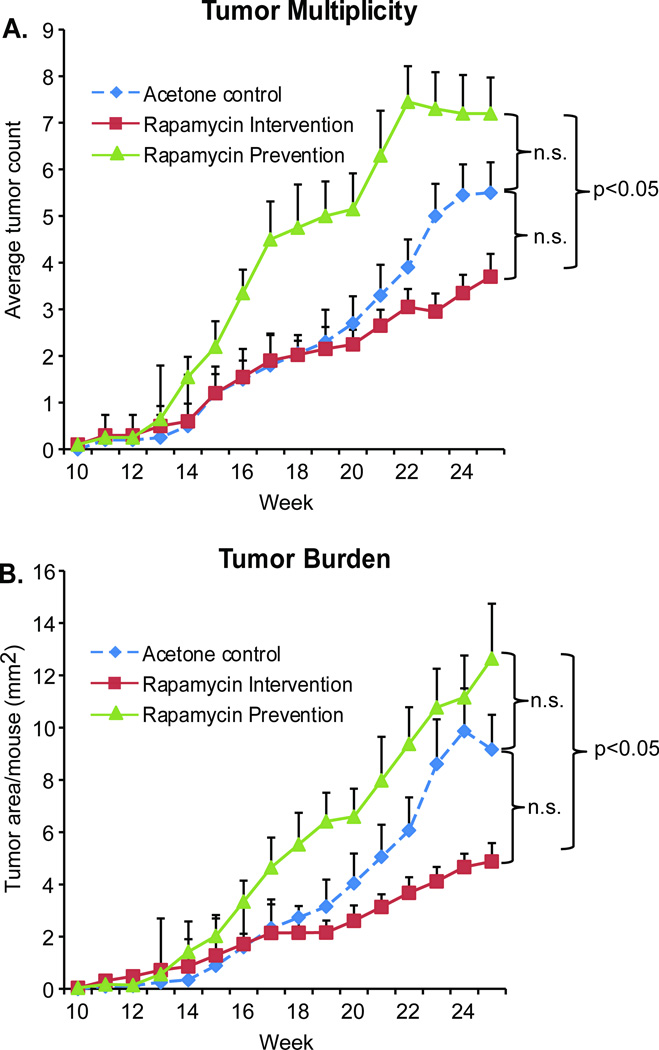
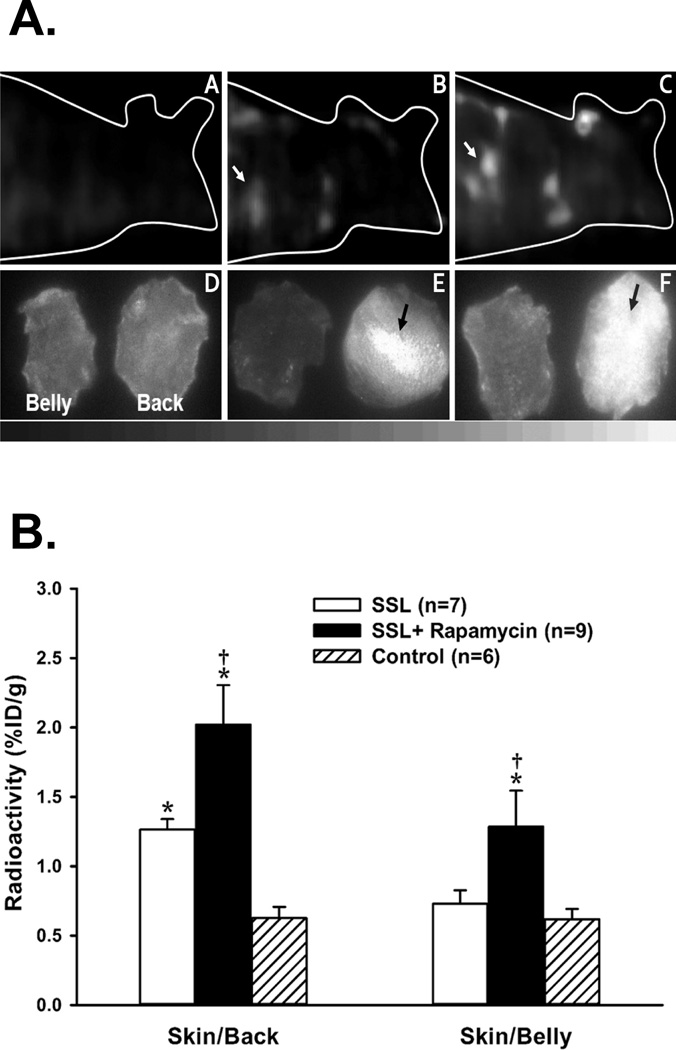
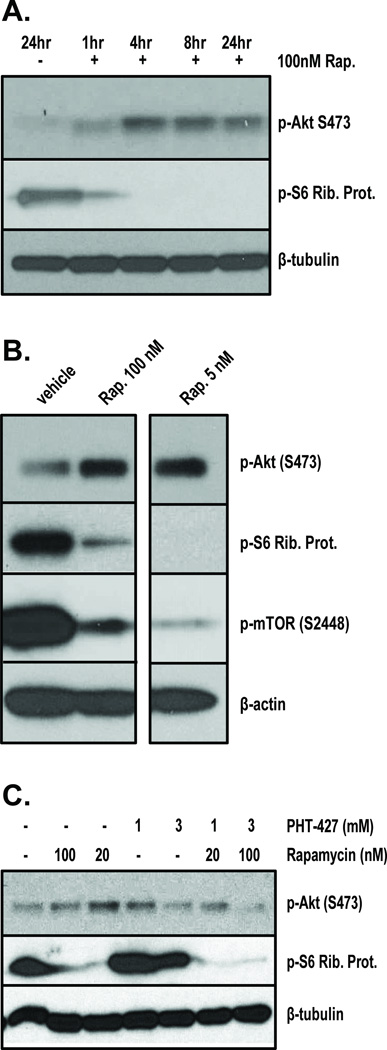
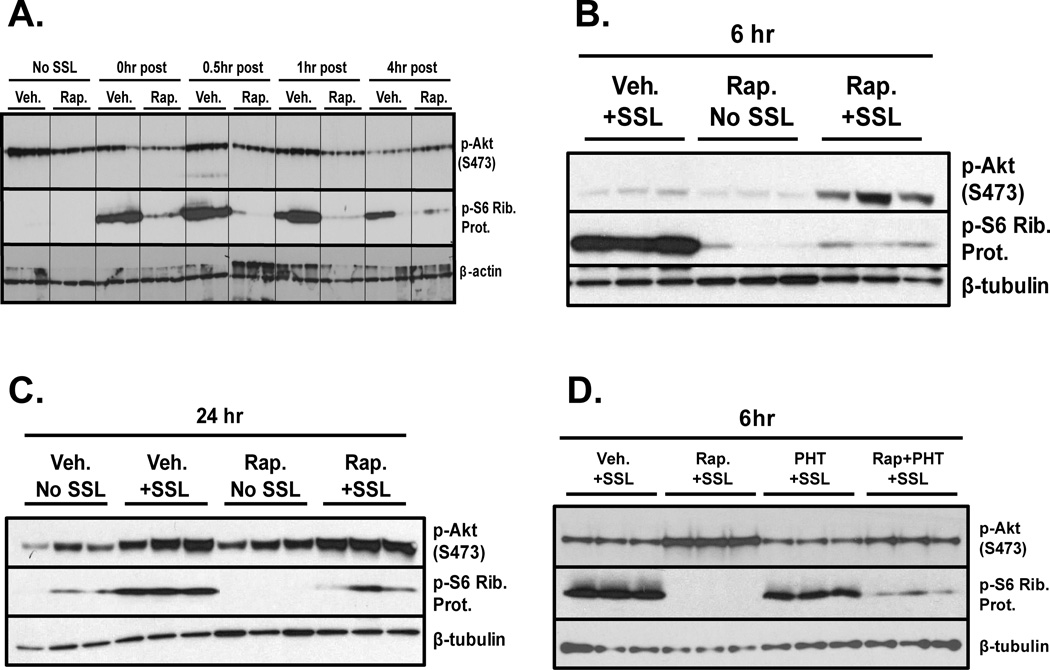
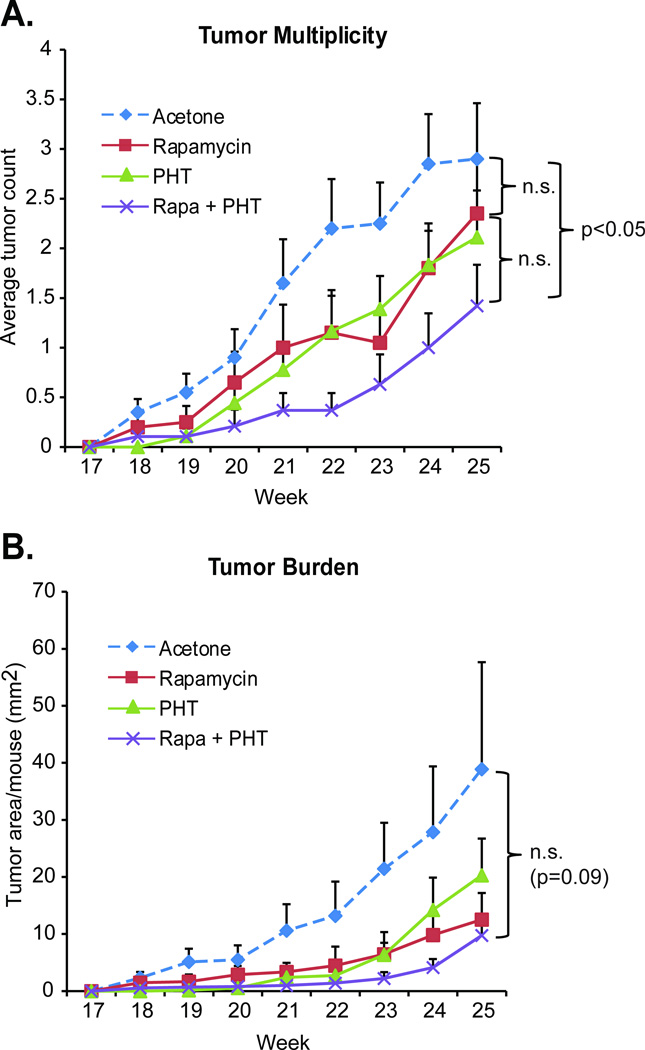
The PI3Kinase/Akt/mTOR pathway has important roles in cancer development for multiple tumor types, including UV-induced nonmelanoma skin cancer. Immunosuppressed populations are at increased risk of aggressive cutaneous squamous cell carcinoma (SCC). Individuals who are treated with rapamycin (sirolimus, a classical mTOR inhibitor) have significantly decreased rates of developing new cutaneous SCCs compared with those that receive traditional immunosuppression. However, systemic rapamycin use can lead to significant adverse events. Here, we explored the use of topical rapamycin as a chemopreventive agent in the context of solar-simulated light (SSL)-induced skin carcinogenesis. In SKH-1 mice, topical rapamycin treatment decreased tumor yields when applied after completion of 15 weeks of SSL exposure compared with controls. However, applying rapamycin during SSL exposure for 15 weeks, and continuing for 10 weeks after UV treatment, increased tumor yields. We also examined whether a combinatorial approach might result in more significant tumor suppression by rapamycin. We validated that rapamycin causes increased Akt (S473) phosphorylation in the epidermis after SSL, and show for the first time that this dysregulation can be inhibited in vivo by a selective PDK1/Akt inhibitor, PHT-427. Combining rapamycin with PHT-427 on tumor prone skin additively caused a significant reduction of tumor multiplicity compared with vehicle controls. Our findings indicate that patients taking rapamycin should avoid sun exposure, and that combining topical mTOR inhibitors and Akt inhibitors may be a viable chemoprevention option for individuals at high risk for cutaneous SCC.
©2016 American Association for Cancer Research.
Conflict of interest statement
The authors declare that they have no conflict of interest.
Figures
References
-
- Liu LS, Colegio OR. Molecularly targeted therapies for nonmelanoma skin cancers. Int J Dermatol. 2013;52:654–665. - PubMed
-
- Wondrak GT. Sunscreen-based skin protection against solar insult: molecular mechanisms and opportunities. Fundamentals of Cancer Prevention. 2014;30:301–320.
-
- Natarajan VT, Ganju P, Ramkumar A, Grover R, Gokhale RS. Multifaceted pathways protect human skin from UV radiation. Nat Chem Biol. 2014;10:542–551. - PubMed
-
- Housman TS, Feldman SR, Williford PM, Fleischer AB, Jr, Goldman ND, Acostamadiedo JM, et al. Skin cancer is among the most costly of all cancers to treat for the Medicare population. J Am Acad Dermatol. 2003;48:425–429. - PubMed
-
- American Cancer Society. Cancer Facts & Figures 2013. American Cancer Society; 2013.
Publication types
MeSH terms
Substances
Grants and funding
LinkOut - more resources
Full Text Sources
Other Literature Sources
Medical
Molecular Biology Databases
Research Materials
Miscellaneous