


Maternally provided LSD1/KDM1A enables the maternal-to-zygotic transition and prevents defects that manifest postnatally
- PMID: 26814574
- PMCID: PMC4829428
- DOI: 10.7554/eLife.08848
Maternally provided LSD1/KDM1A enables the maternal-to-zygotic transition and prevents defects that manifest postnatally
Abstract
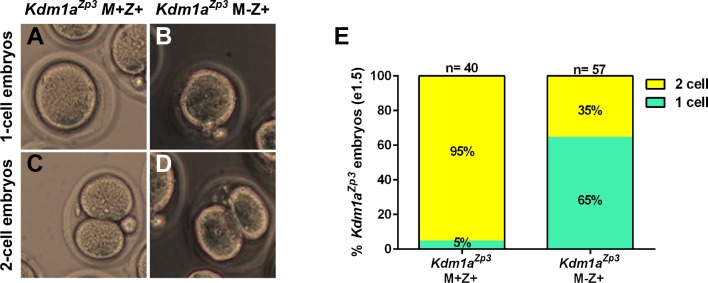
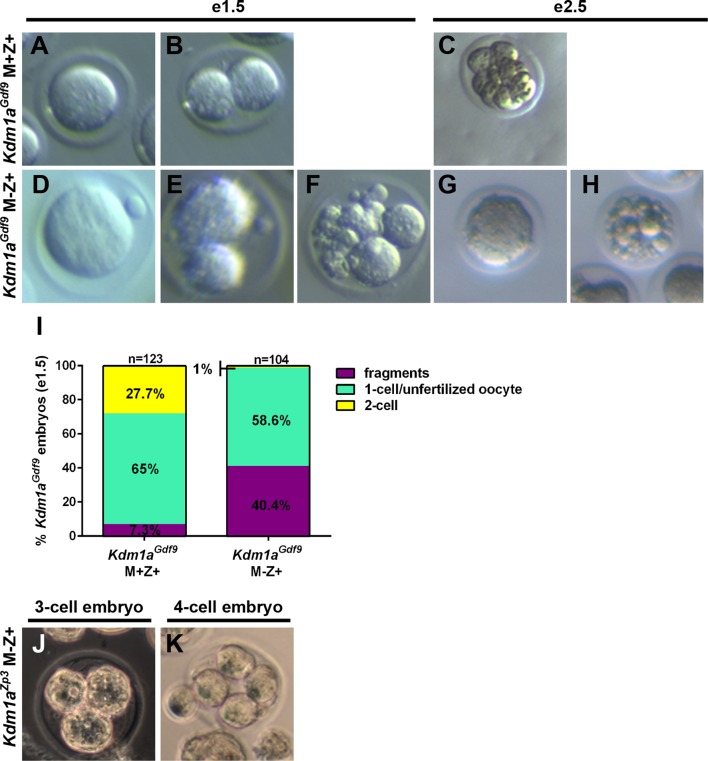
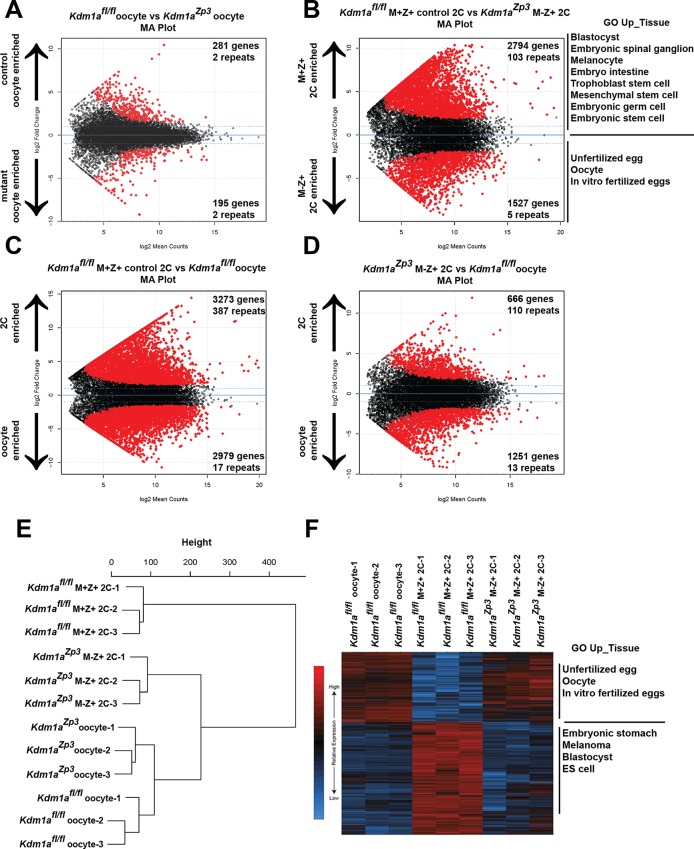
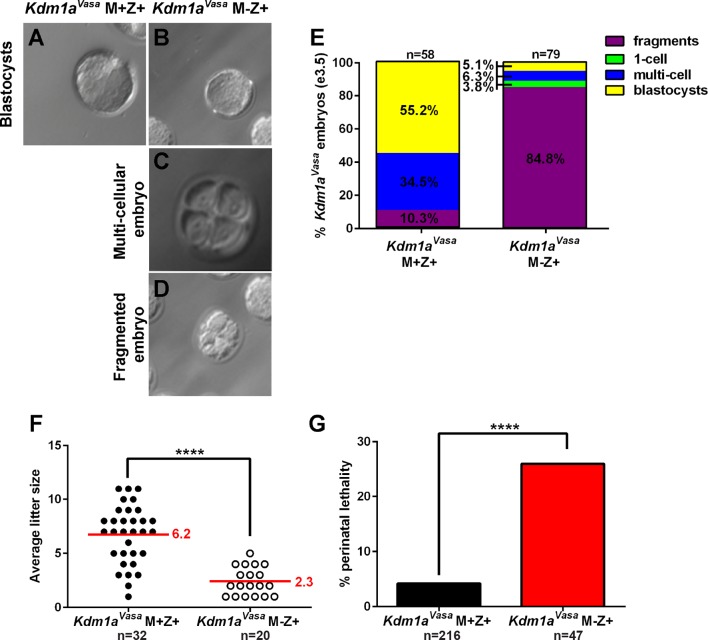
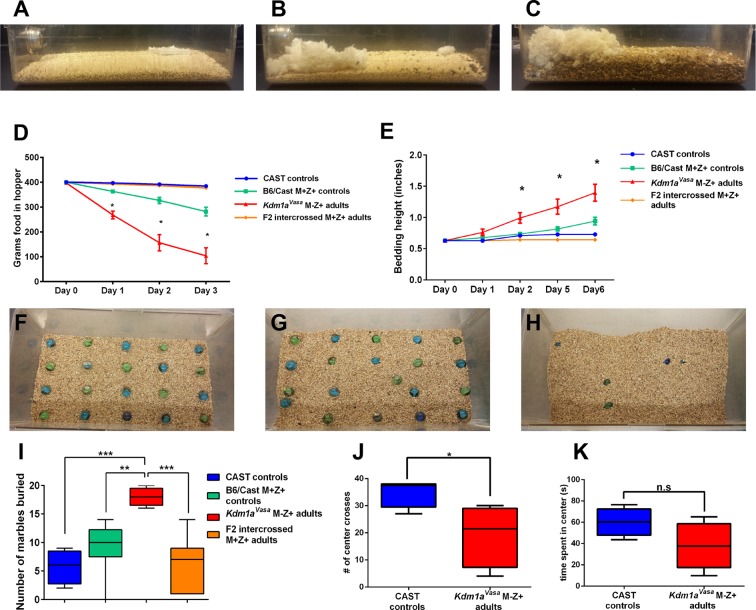
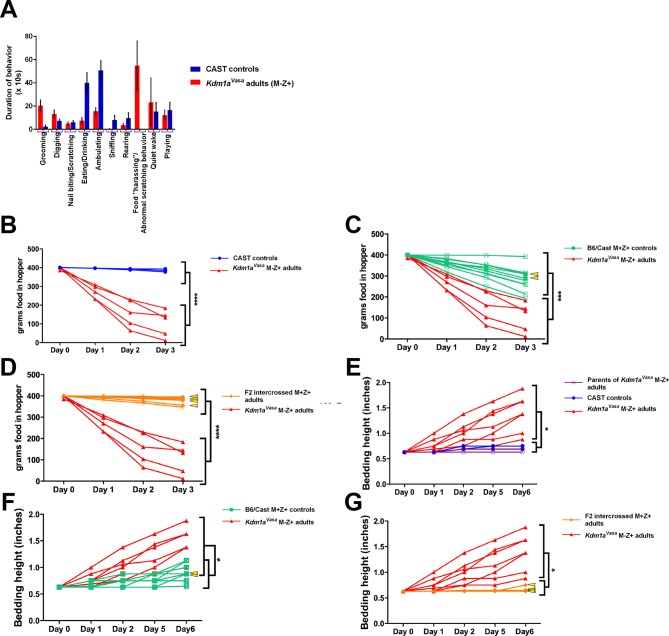
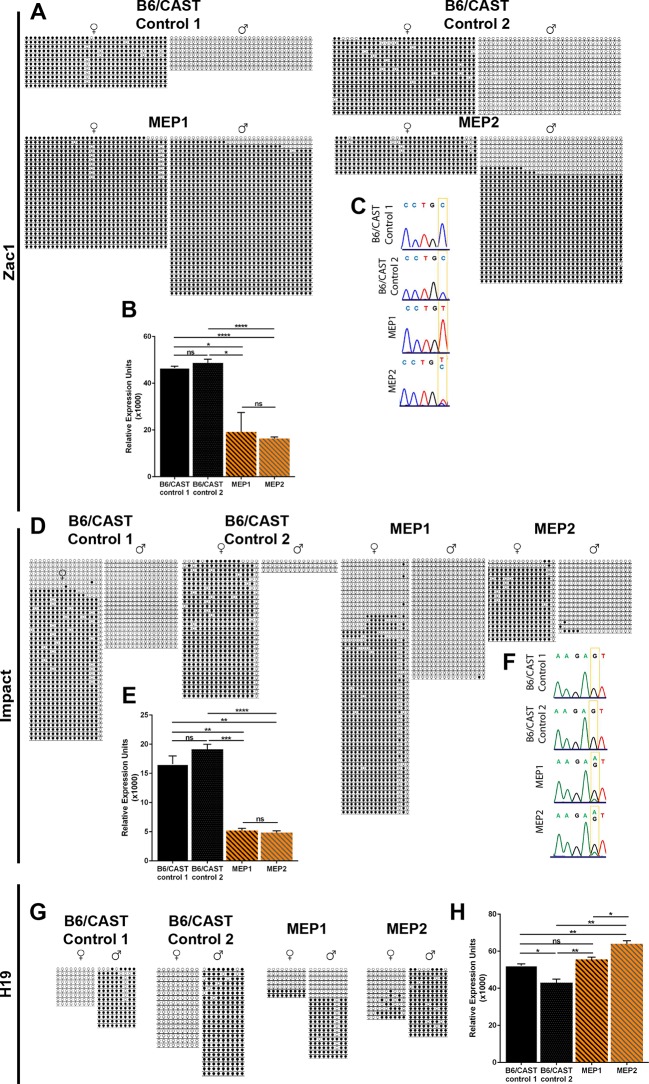
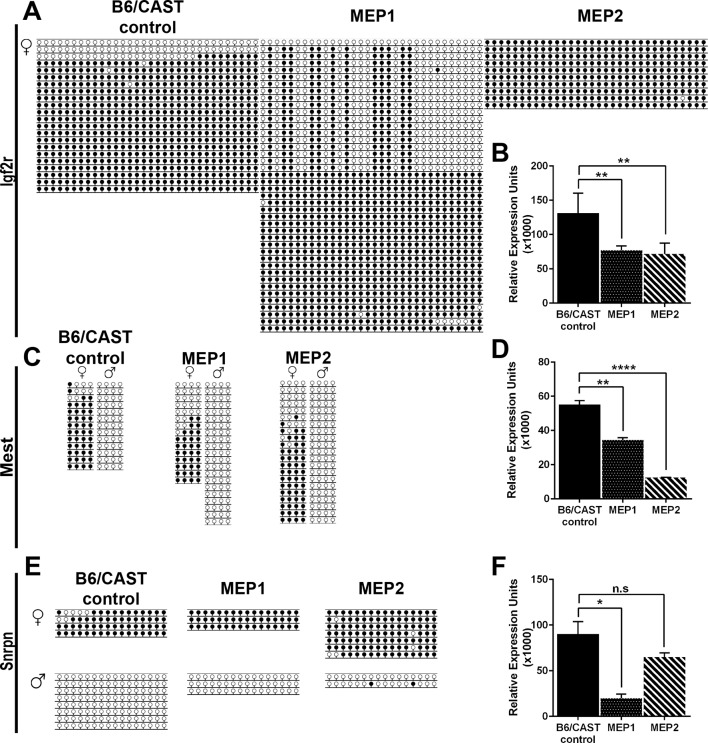
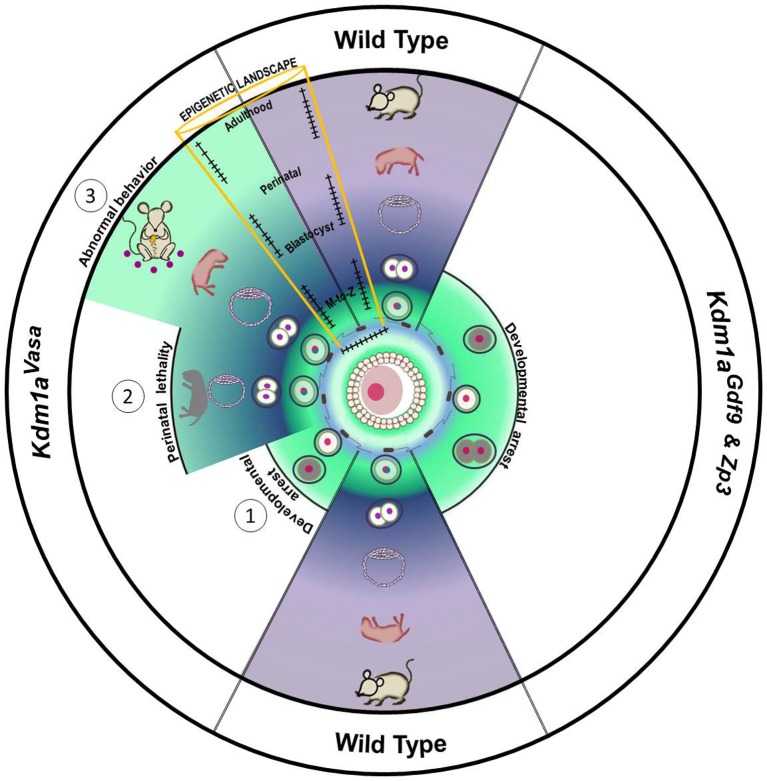
Somatic cell nuclear transfer has established that the oocyte contains maternal factors with epigenetic reprogramming capacity. Yet the identity and function of these maternal factors during the gamete to embryo transition remains poorly understood. In C. elegans, LSD1/KDM1A enables this transition by removing H3K4me2 and preventing the transgenerational inheritance of transcription patterns. Here we show that loss of maternal LSD1/KDM1A in mice results in embryonic arrest at the 1-2 cell stage, with arrested embryos failing to undergo the maternal-to-zygotic transition. This suggests that LSD1/KDM1A maternal reprogramming is conserved. Moreover, partial loss of maternal LSD1/KDM1A results in striking phenotypes weeks after fertilization; including perinatal lethality and abnormal behavior in surviving adults. These maternal effect hypomorphic phenotypes are associated with alterations in DNA methylation and expression at imprinted genes. These results establish a novel mammalian paradigm where defects in early epigenetic reprogramming can lead to defects that manifest later in development.
Keywords: KDM1a; LSD1; MZT; developmental biology; epigenetics; genomic imprinting; maternal effect; mouse; stem cells.
Conflict of interest statement
The authors declare that no competing interests exist.
Figures
Comment in
-
A Histone-Modifying Enzyme and the Maternal-to-Zygotic Transition.Biol Reprod. 2016 May;94(5):99. doi: 10.1095/biolreprod.116.139428. Epub 2016 Feb 24. Biol Reprod. 2016. PMID: 27150609 No abstract available.
References
MeSH terms
Substances
Grants and funding
LinkOut - more resources
Full Text Sources
Other Literature Sources
Molecular Biology Databases
