. 2016 Apr;1864(4):400-8.
doi: 10.1016/j.bbapap.2016.01.010. Epub 2016 Jan 26.

Identification of new palmitoylated proteins in Toxoplasma gondii

Affiliations

Identification of new palmitoylated proteins in Toxoplasma gondii

Marina C Caballero et al. Biochim Biophys Acta. 2016 Apr.

Abstract

Protein palmitoylation has been shown to be an important post-translational modification in eukaryotic cells. This modification alters the localization and/or the function of the targeted protein. In recent years, protein palmitoylation has risen in importance in apicomplexan parasites as well. In Toxoplasma gondii, some proteins have been reported to be modified by palmitate. With the development of new techniques that allow the isolation of palmitoylated proteins, this significant post-translational modification has begun to be studied in more detail in T. gondii. Here we describe the palmitoylome of the tachyzoite stage of T. gondii using a combination of the acyl-biotin exchange chemistry method and mass spectrometry analysis. We identified 401 proteins found in multiple cellular compartments, with a wide range of functions that vary from metabolic processes, gliding and host-cell invasion to even regulation of transcription and translation. Besides, we found that more rhoptry proteins than the ones already described for Toxoplasma are palmitoylated, suggesting an important role for this modification in the invasion mechanism of the host-cell. This study documents that protein palmitoylation is a common modification in T. gondii that could have an impact on different cellular processes.

Keywords: Acyl-biotin exchange; Host-cell invasion; Palmitoylome; Protein identification; Rhoptry; Toxoplasma gondii.


Figures

Figure 1
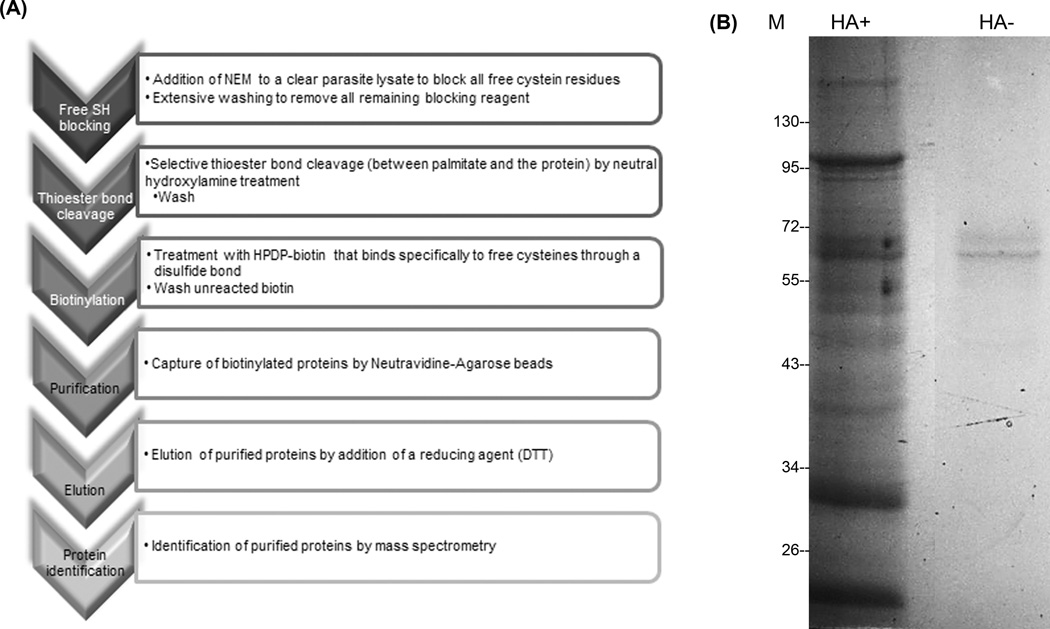
Figure 1. Acyl biotin exchange method used in this study
A) Flowchart depicting the schematics of the ABE technique. B) Representative Coomassie Blue-stained gel of ABE-treated Toxoplasma gondii protein extract. HA+: Hydroxylamine-treated sample. HA-: Tris-treated control (no hydroxylamine). M: molecular mass reference. Both lanes were dissected into small slices and analyzed by MS (mass spectrometry).
Figure 2
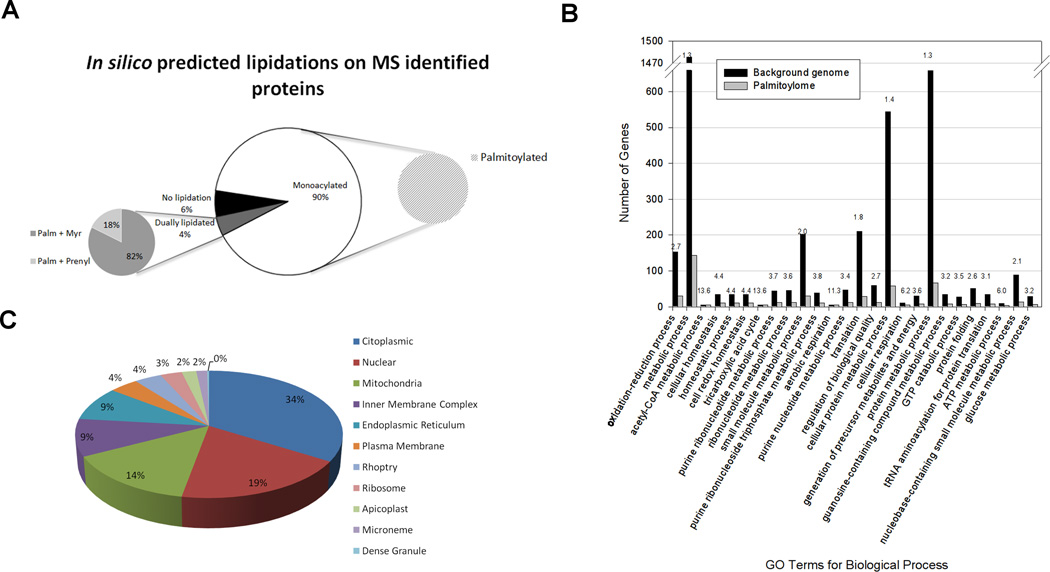
Figure 2. In silico analyses of experimentally found palmitoylated proteins
A) Other predicted lipidations. Monoacylated proteins are only palmitate-modified. In dually lipidated proteins, palmitoylation can occur either in combination with myristoylation or with prenylation. B) GO Biological processes enrichment analysis: Bars represent genes associated with a specific GO term both in the background genome and in the palmitoylome. Numbers above the bars indicate fold enrichment of that specific term in the palmitoylome with respect to the background. C) Predicted subcellular localization of the identified palmitoylated proteins.
Figure 3
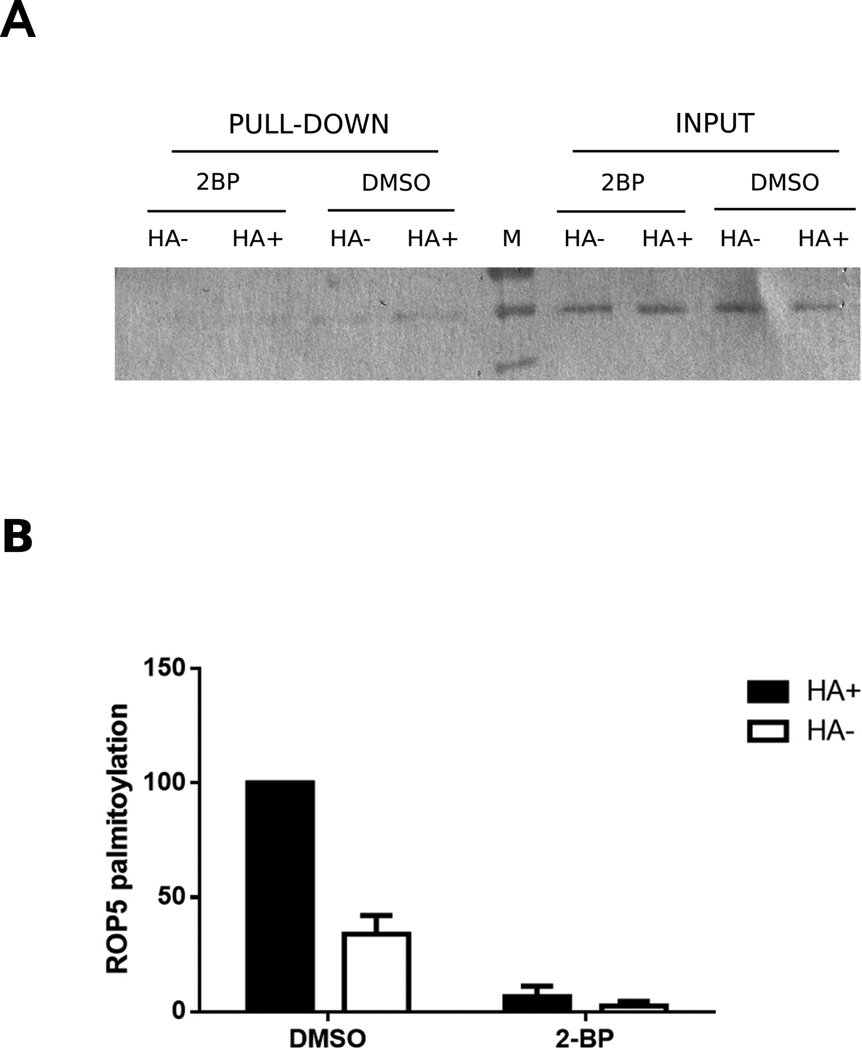
Figure 3. ROP5 is specifically palmitoylated in T. gondii
A) Representative Western blot anti-ROP5 on 2BP-treated intracellular parasites. During the ABE protocol, both 2-BP treated parasites and control (DMSO) samples were split into two halves: hydroxylamine-treated (HA+) and control (HA−). An aliquot of each sample was taken before the biotinylation step and was used as input, to normalize the quantification of the bands and as a loading control. B) Quantification of the intensity of the bands in WB: each pull-down value was normalized by its respective input, and each sample final value was expressed as a percentage of the hydroxylamine-treated sample (DMSO, HA+). The graph represents the mean and standard deviation of three independent experiments.
Figure 4
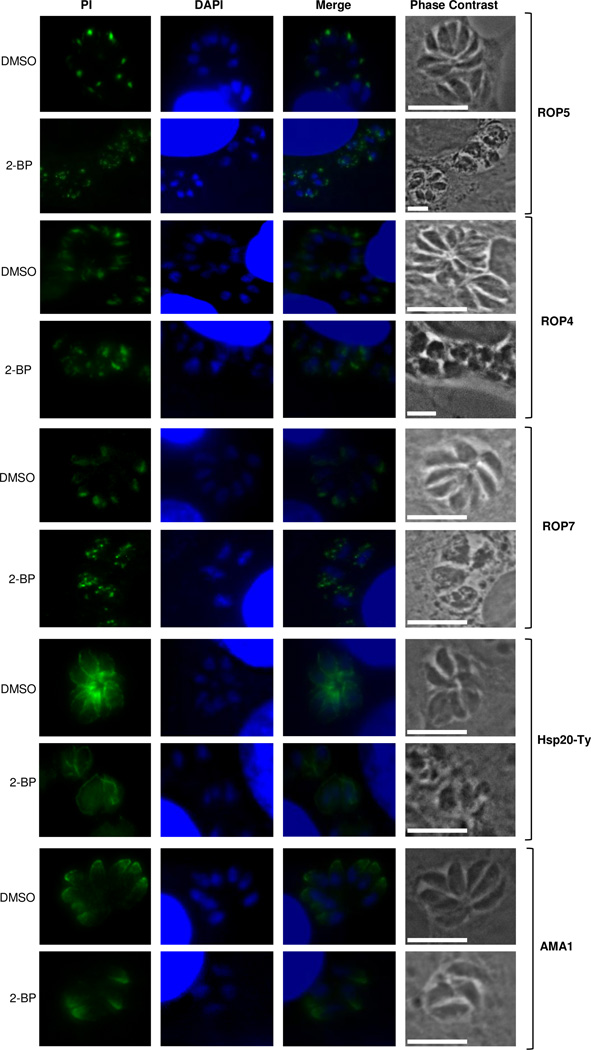
Figure 4. Localization of rhoptry proteins in 2-BP-treated and control intracellular tachyzoites
Columns, from left to right: protein of interest (PI), DAPI, merge, phase contrast. DMSO indicates control (untreated) samples and 2-BP indicates samples treated with 12.5 µM 2-bromopalmitate. Square brackets on the right indicate the corresponding antibodies used: anti-ROP5, -ROP4, -ROP7, -Ty and -AMA1 respectively.
Figure 5
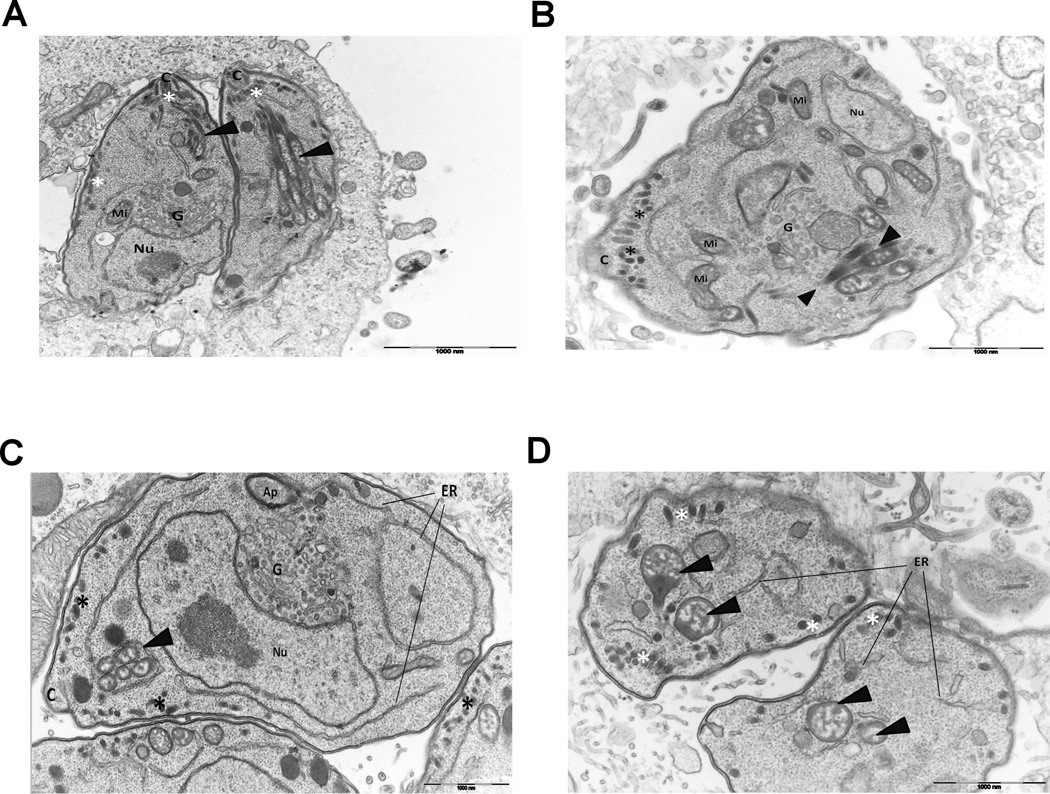
Figure 5. Transmission electron microscopy of intracellular parasites
A) control (DMSO-treated) Longitudinal section of two tachyzoites. Bundles of rhoptries with normal club-shaped morphology can be observed. Micronemes are apically located next to the conoid. B, C and D) 2BP-treated. Some abnormal rhoptries in morphology and localization can be observed, micronemes are scattered in the periphery of the parasite, not just in the apical region and Golgi is enlarged. Arrowheads indicate rhoptries, asterisks indicate micronemes, Nu: host-cell nucleus and, C: conoid, Mi: mitochondria, Ap: apicoplast, G: Golgi apparatus, ER: endoplasmic reticulum.

References

    1. Linder ME, Deschenes RJ. New insights into the mechanisms of protein palmitoylation. Biochemistry. 2003;42:4311–4320. - PubMed
    1. Henis YI, Hancock JF, Prior IA. Ras acylation, compartmentalization and signaling nanoclusters (Review) Mol Membr Biol. 2009;26:80–92. - PMC - PubMed
    1. Michaelson D, Ahearn I, Bergo M, Young S, Philips M. Membrane trafficking of heterotrimeric G proteins via the endoplasmic reticulum and Golgi. Mol Biol Cell. 2002;13:3294–3302. - PMC - PubMed
    1. Berthiaume L, Deichaite I, Peseckis S, Resh MD. Regulation of enzymatic activity by active site fatty acylation. A new role for long chain fatty acid acylation of proteins. J Biol Chem. 1994;269:6498–6505. - PubMed
    1. Corvi MM, Soltys CL, Berthiaume LG. Regulation of mitochondrial carbamoyl-phosphate synthetase 1 activity by active site fatty acylation. J Biol Chem. 2001;276:45704–45712. - PubMed

Publication types

MeSH terms

Substances

LinkOut - more resources