Lipoprotein lipase deficiency presenting with neonatal perianal abscesses
- PMID: 26825936
- PMCID: PMC4735387
- DOI: 10.1136/bcr-2015-212587
Lipoprotein lipase deficiency presenting with neonatal perianal abscesses
Abstract
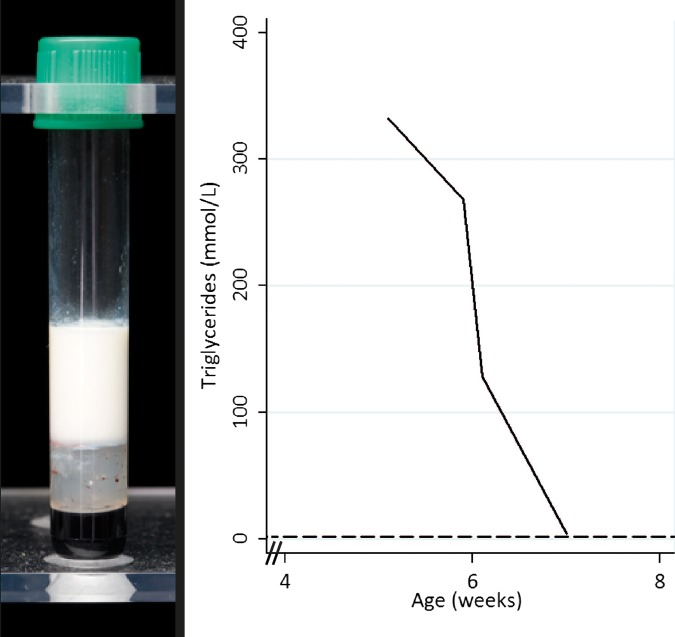
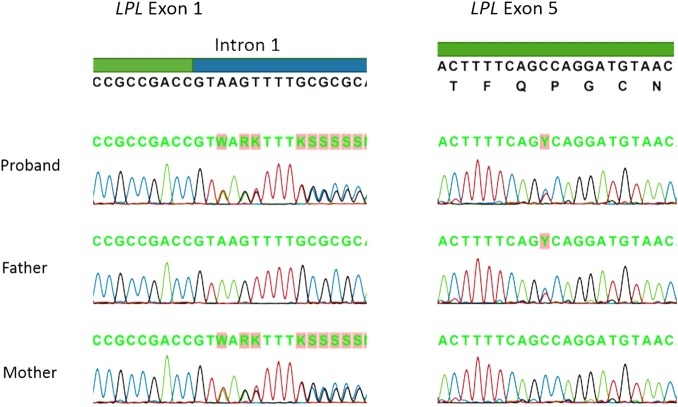
Lipoprotein lipase (LPL), a member of the triglyceride lipase gene family, is synthesised by parenchymal cells of the heart, skeletal muscle and adipose tissues before being transported to luminal surfaces of vascular endothelial cells to exert its main physiological function to hydrolyse plasma lipoproteins. LPL deficiency is a rare autosomal recessive disorder, resulting in severe hypertriglyceridaemia from birth. The effect of marked hypertriglyceridaemia on the immune function in children has not been described. We present a case of a neonate with LPL deficiency and grossly elevated plasma triglyceride levels, presenting with recurrent and recalcitrant perianal abscesses suggestive of underlying immunodeficiency. With reduced levels of plasma triglycerides, the recurrent perianal infections resolved. This case report reviews evidence for potential deleterious effects of hypertriglyceridaemia on immune function, however, underlying mechanisms are poorly understood. Whether hypertriglyceridaemia contributes to immune dysfunction in this context is unknown. If there is a pathophysiological link, this may have implications for hypertriglyceridaemia management.
2016 BMJ Publishing Group Ltd.
Figures
References
-
- Neal WA. 80.3 Disorders of lipoprotein metabolism and transport. In: Kliegman RM, Stanton BF, St Geme JW et al. eds. Nelson textbook of pediatrics. 19th edn Philadelphia, PA, USA: Elsevier Saunders, 2011:470–82.
-
- Hata A, Ridinger DN, Sutherland SD et al. Missense mutations in exon 5 of the human lipoprotein lipase gene. Inactivation correlates with loss of dimerization. J Biol Chem 1992;267:20132–9. - PubMed
Publication types
MeSH terms
Substances
LinkOut - more resources
Full Text Sources
Other Literature Sources
Medical