. 2016 Feb 9;14(5):1049-1061.
doi: 10.1016/j.celrep.2016.01.009. Epub 2016 Jan 28.

Host-Microbiota Interactions in the Pathogenesis of Antibiotic-Associated Diseases

Affiliations

Host-Microbiota Interactions in the Pathogenesis of Antibiotic-Associated Diseases

Joshua S Lichtman et al. Cell Rep. .

Abstract

Improved understanding of the interplay between host and microbes stands to illuminate new avenues for disease diagnosis, treatment, and prevention. Here, we provide a high-resolution view of the dynamics between host and gut microbiota during antibiotic-induced intestinal microbiota depletion, opportunistic Salmonella typhimurium and Clostridium difficile pathogenesis, and recovery from these perturbed states in a mouse model. Host-centric proteome and microbial community profiles provide a nuanced longitudinal view, revealing the interdependence between host and microbiota in evolving dysbioses. Time- and condition-specific molecular and microbial signatures are evident and clearly distinguished from pathogen-independent inflammatory fingerprints. Our data reveal that mice recovering from antibiotic treatment or C. difficile infection retain lingering signatures of inflammation, despite compositional normalization of the microbiota, and host responses could be rapidly and durably relieved through fecal transplant. These experiments demonstrate insights that emerge from the combination of these orthogonal, untargeted approaches to the gastrointestinal ecosystem.


Figures

Figure 1
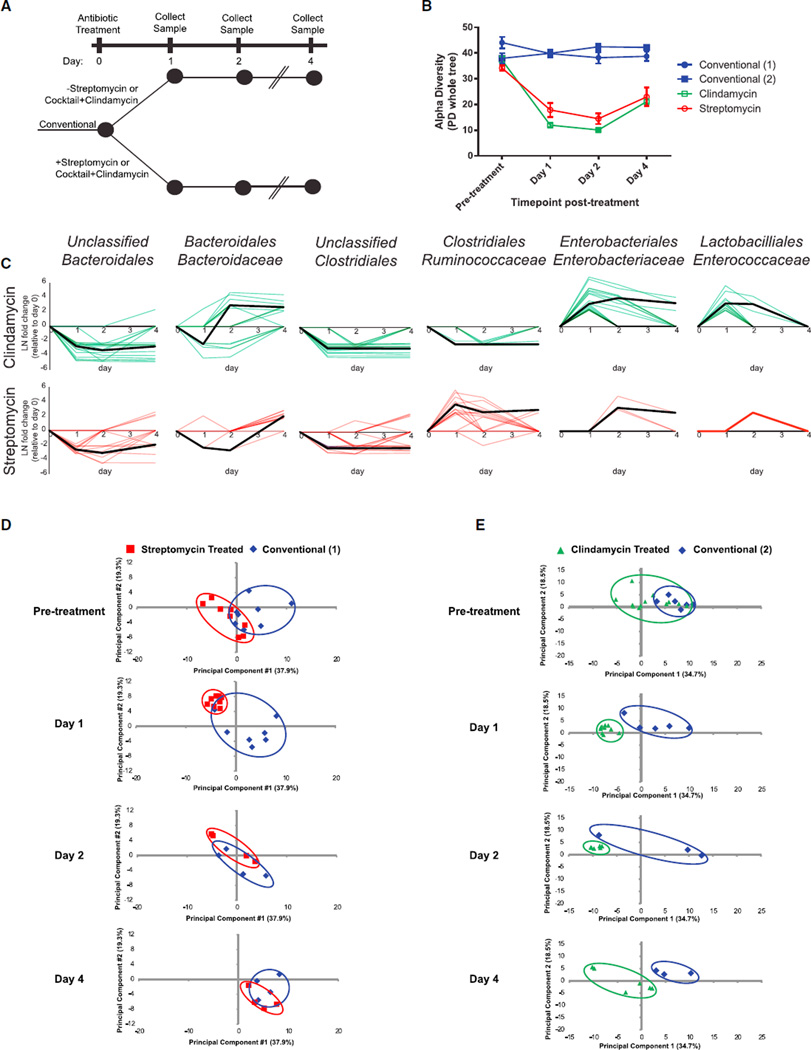
Figure 1. Antibiotic Treatment Elicits Distinct Effects on the Host and Microbiota
(A) Conventional mice were dosed with one of two antibiotic treatments: streptomycin or a 2-day course of an antibiotic cocktail followed by a single dose of clindamycin. Antibiotic- and vehicle-treated mice were followed for 4 days, and stool samples were collected for 16S rRNA analysis and host-centric proteomics. (B) Alpha diversity at each time point (mean ± SEM) measured by the PD_whole_tree metric from 16S rRNA sequencing data. Conventional (1) refers to the control mice from the streptomycin experiment, whereas Conventional (2) refers to the control mice from the clindamycin treatment. (C) OTUs that are significantly affected by antibiotic treatment, grouped by microbial family. Briefly, DESeq was used to identify significantly changing OTUs and their respective fold changes (natural log, LN) when comparing a particular time point with the same mice recorded at day 0. For each comparison, each significantly changed OTU at any time point was plotted as a colored line individual point. Zero values are plotted for insignificantly or unchanged OTUs and time points. Black lines represent the median value of OTU fold changes that significantly deviated from day-0 levels. (D and E) Principal-component analysis was conducted on all 1,425 host proteins identified across all samples in the (D) streptomycin and (E) clindamycin experiments and plotted by time point. Diminishing numbers of mice exist because mice were put into different arms of the general experimental paradigm (Figure S1). See also Figure S2 and Tables S1, S6, and S7.
Figure 2
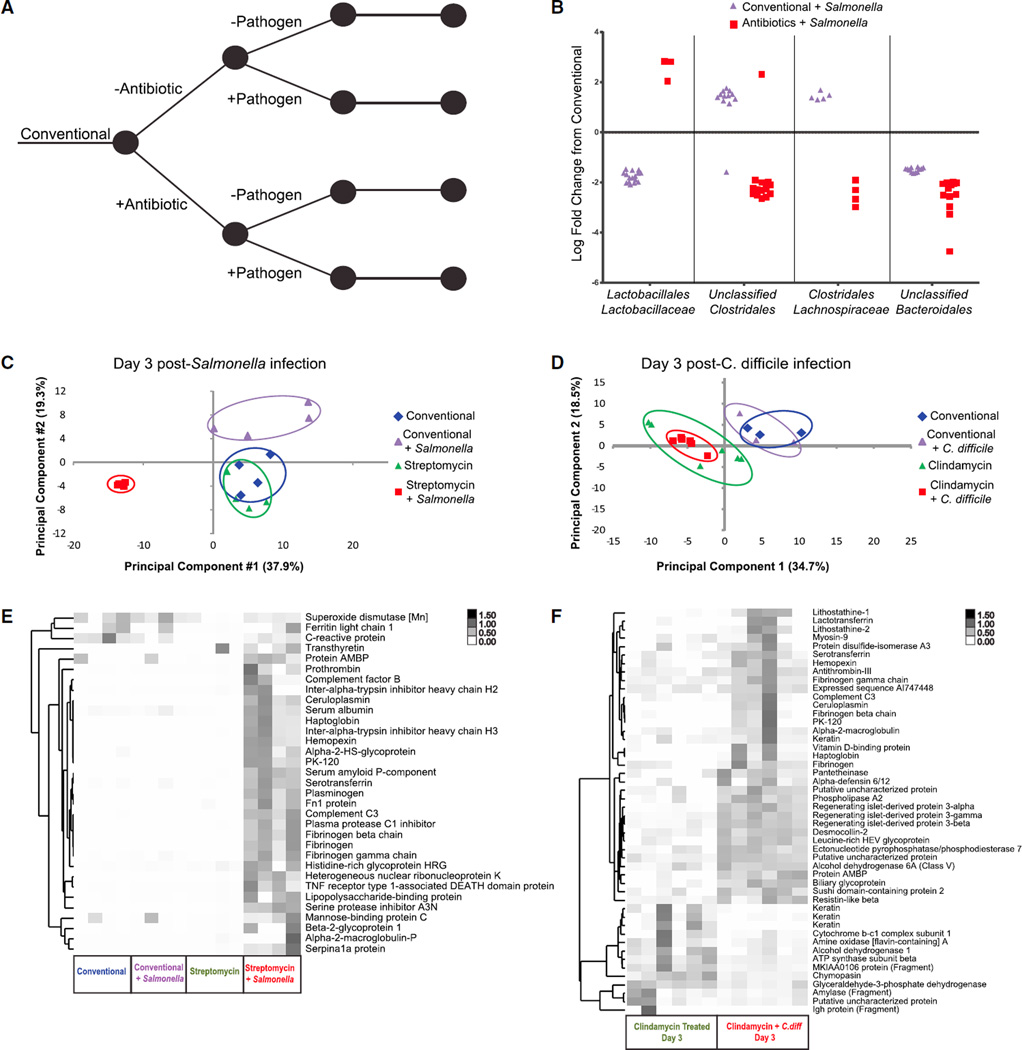
Figure 2. The Effect of Pathogen Infection on the Host and Microbiota
(A) Conventional mice were treated with antibiotic (as in Figure 1), 1 day prior to infection with Salmonella (streptomycin treated) or C. difficile (clindamycin treated). (B) OTUs from four taxonomic groups that are significantly affected by Salmonella infection, grouped by microbial family. DESeq was used to identify significantly changing OTUs and their respective fold changes when comparing infected mice with the same mice in the starting conventional state. For each comparison, each significant OTU was plotted as an individual point. The entire list of significantly changing OTUs can be found in Table S2. (C and D) Principal-component analysis of (C) Salmonella-infected mice and (D) C. difficile-infected mice and the relevant controls at 3 days post-infection. (E) Cluster analysis of acute-phase inflammation-induced protein abundances, measured from all mice in the Salmonella experiment on day 3 post-infection. (F) Cluster analysis of protein abundances determined to be significantly changed (FDR < 0.05, > 1 loge fold change) between clindamycin-treated control mice and clindamycin-treated, C. difficile-infected mice at 3 days post-infection. See also Figure S3 and Tables S2, S3, S6, and S7.
Figure 3
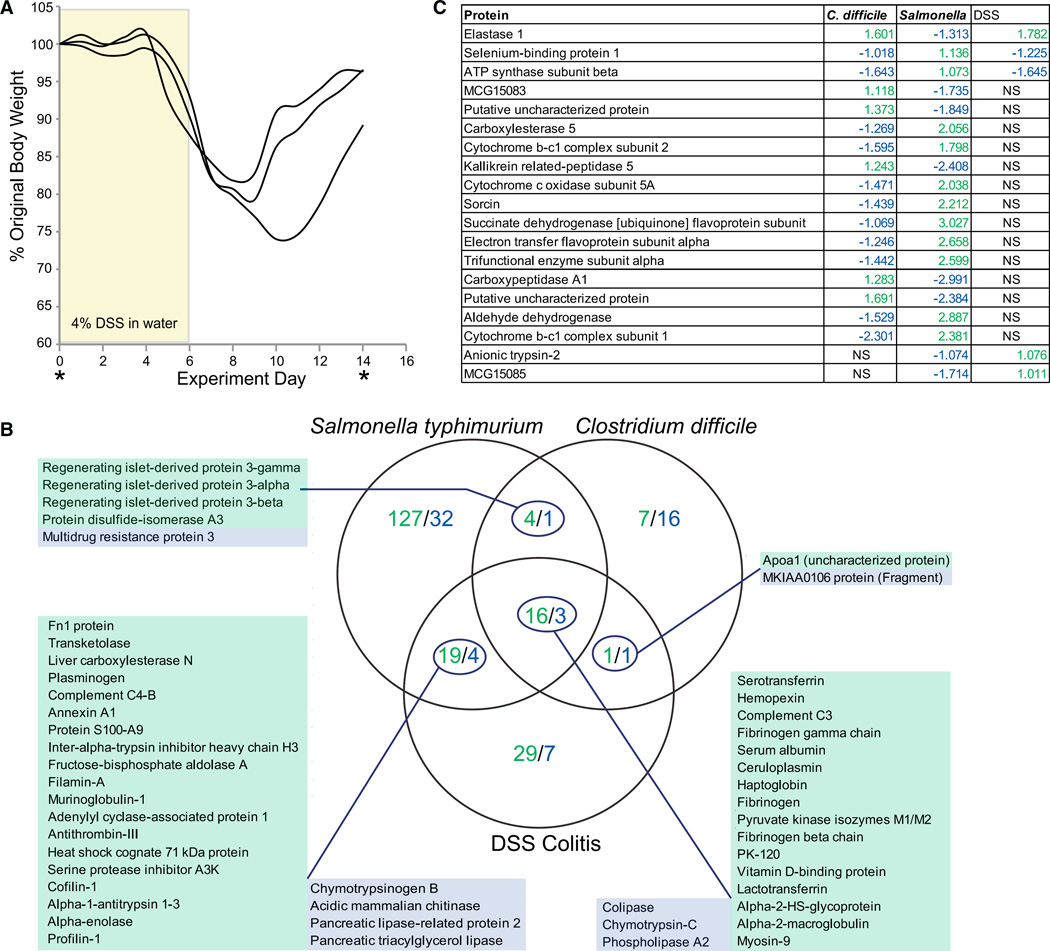
Figure 3. Host Proteins Differentiate Inflammatory Conditions
(A) Experimental model for DSS colitis. Mice were treated with 4% DSS in drinking water for 6 days followed by 8 days on normal drinking water. Samples were taken prior to and at the end of the experiment. (B) Venn diagram comparing the proteins significantly different (FDR < 0.05, > 1 ln fold change) in abundance when comparing the peak of inflammation with the same mice at their original conventional state. Green indicates upregulated in inflammation, Blue indicates downregulated in inflammation. The degree of overlap in proteins differentially represented between any two conditions, or between all three, was significantly less than would be expected by chance: Salmonella and C. difficile: p = 3e−46; Salmonella and DSS: p = 3e−29; C. difficile and DSS: 5e–22; all three: 3e–33 (chi-square test). Expected numbers of overlapping proteins were calculated from the degree of overlap between all proteins identified in the indicated experimental conditions and the number of proteins found to significantly change the indicated experimental conditions. (C) Proteins that were identified as significant in more than one inflammatory condition but that were changing in expression in alternate directions and, therefore, did not fit in a particular region of the Venn diagram. NS, not significant. See also Tables S4 and S6.
Figure 4
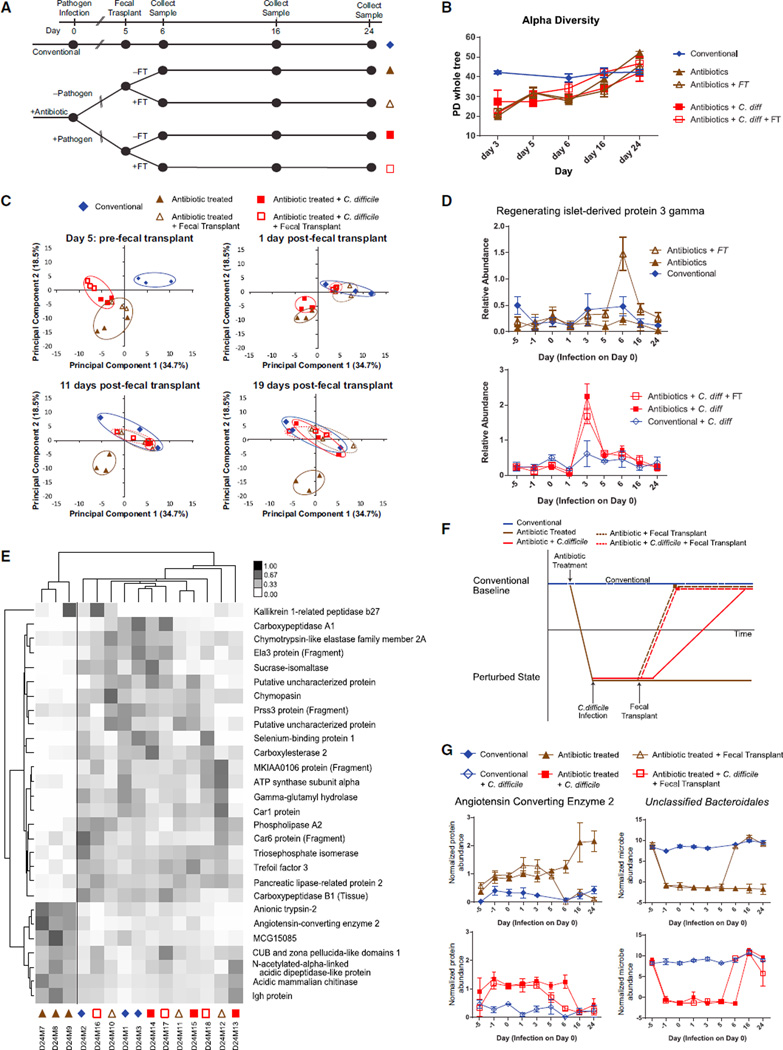
Figure 4. Fecal Transplant Aids in the Recovery of the Host in a Microbiota-Independent Fashion
(A) Clindamycin-treated mice were gavaged with C. difficile or PBS control. Fecal transplants from conventional mice were given to both infected and uninfected mice and all were tracked for 19 more days. (B) Alpha diversity of mice in each treatment group, starting at 2 days prior to fecal transplant as measured by the PD_whole_tree metric (mean ± SEM). (C) Principal-component analysis of host proteins, plotted by time point. (D) Expression profile of REG3γ throughout the course of the entire experiment (mean ± SEM). (E) Cluster analysis of the proteins that significantly differentiate the antibiotic-treated mice at day 24 from the rest. Symbols under the column refer to the treatment group as indicated in (C). (F) Model of host recovery as described by the principal-component analysis. (G) Expression profile of angiotensin-converting enzyme 2 (normalized spectral counts) and an OTU from the Bacteroidales (normalized OTU read counts) throughout the course of the experiment (mean ± SEM). See also Figures S4 and S5 and Tables S5, S6, and S7.

References

    1. Abreu MT. Toll-like receptor signalling in the intestinal epithelium: how bacterial recognition shapes intestinal function. Nat. Rev. Immunol. 2010;10:131–144. - PubMed
    1. Anders S, Huber W. Differential expression analysis for sequence count data. Genome Biol. 2010;11:R106. - PMC - PubMed
    1. Angelini G, Cavallini G, Bovo P, Brocco G, Castagnini A, Lavarini E, Merigo F, Tallon N, Scuro LA. Pancreatic function in chronic inflammatory bowel disease. Int. J. Pancreatol. 1988;3:185–193. - PubMed
    1. Aronesty E. Comparison of sequencing utility programs. Open Bioinform. J. 2013;7:1–8.
    1. Bergogne-Bérézin E. Treatment and prevention of antibiotic associated diarrhea. Int. J. Antimicrob. Agents. 2000;16:521–526. - PubMed

Publication types