


Combined Administration of Human Ghrelin and Human Growth Hormone Attenuates Organ Injury and Improves Survival in Aged Septic Rats
- PMID: 26835699
- PMCID: PMC5004717
- DOI: 10.2119/molmed.2015.00255
Combined Administration of Human Ghrelin and Human Growth Hormone Attenuates Organ Injury and Improves Survival in Aged Septic Rats
Abstract
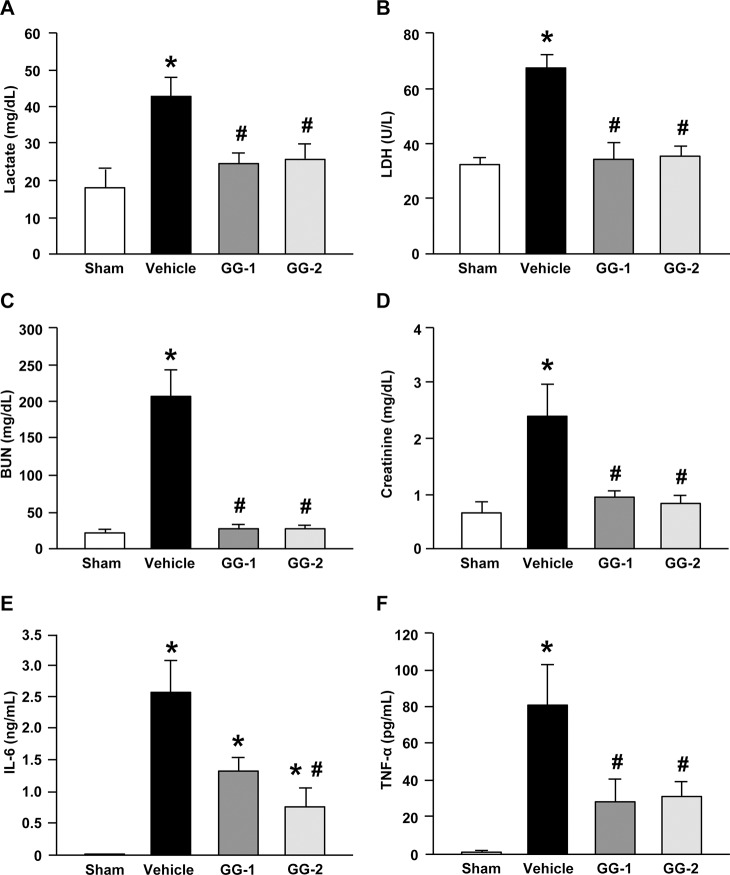
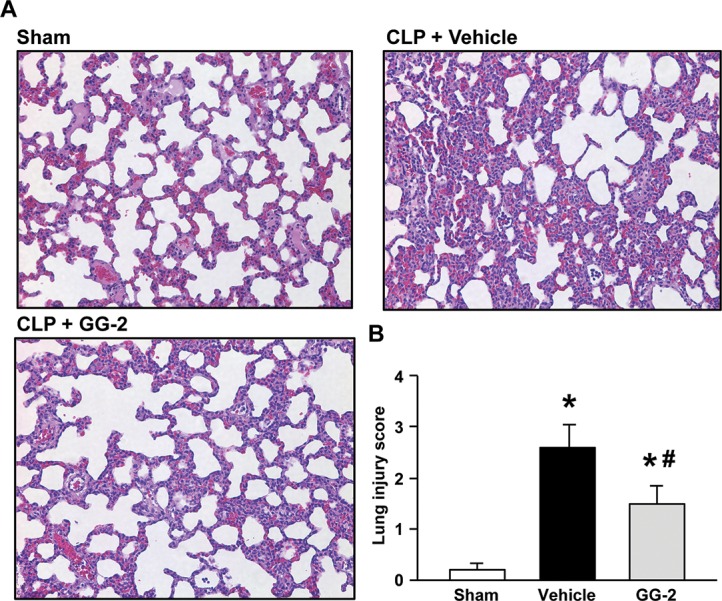
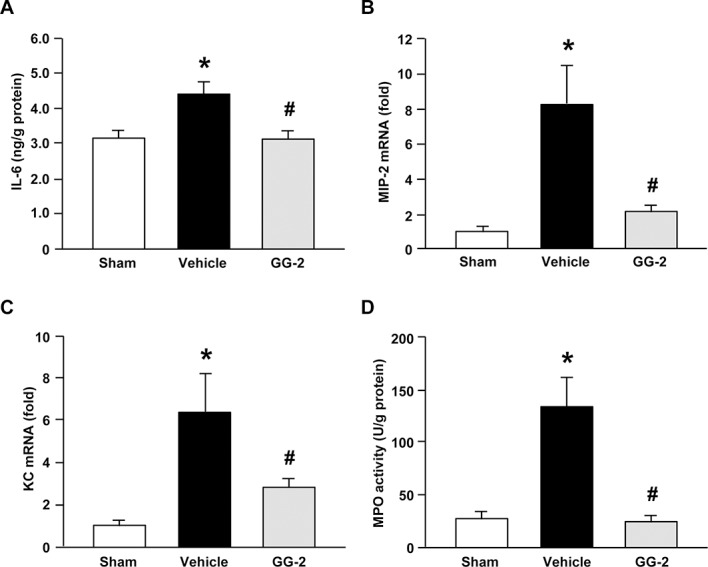
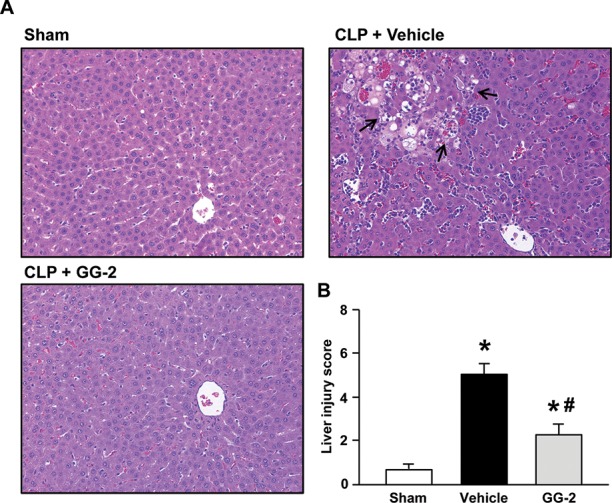
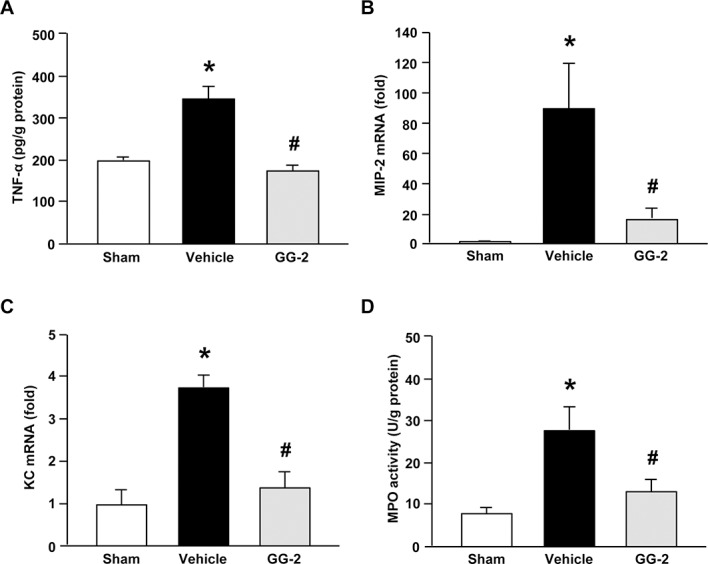
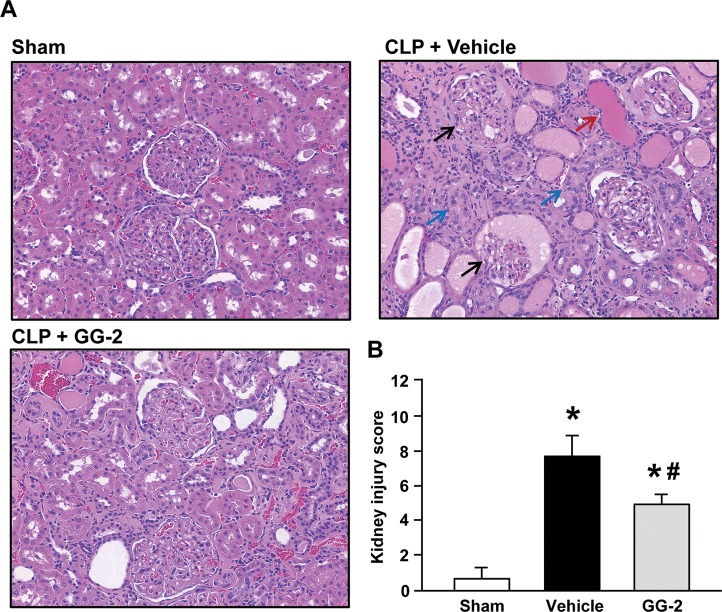
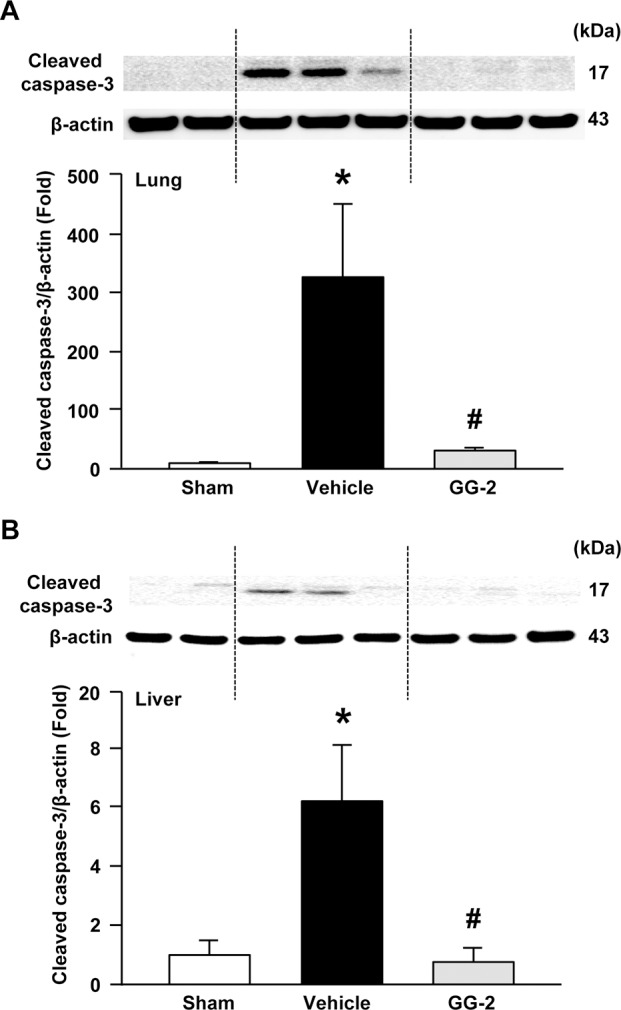
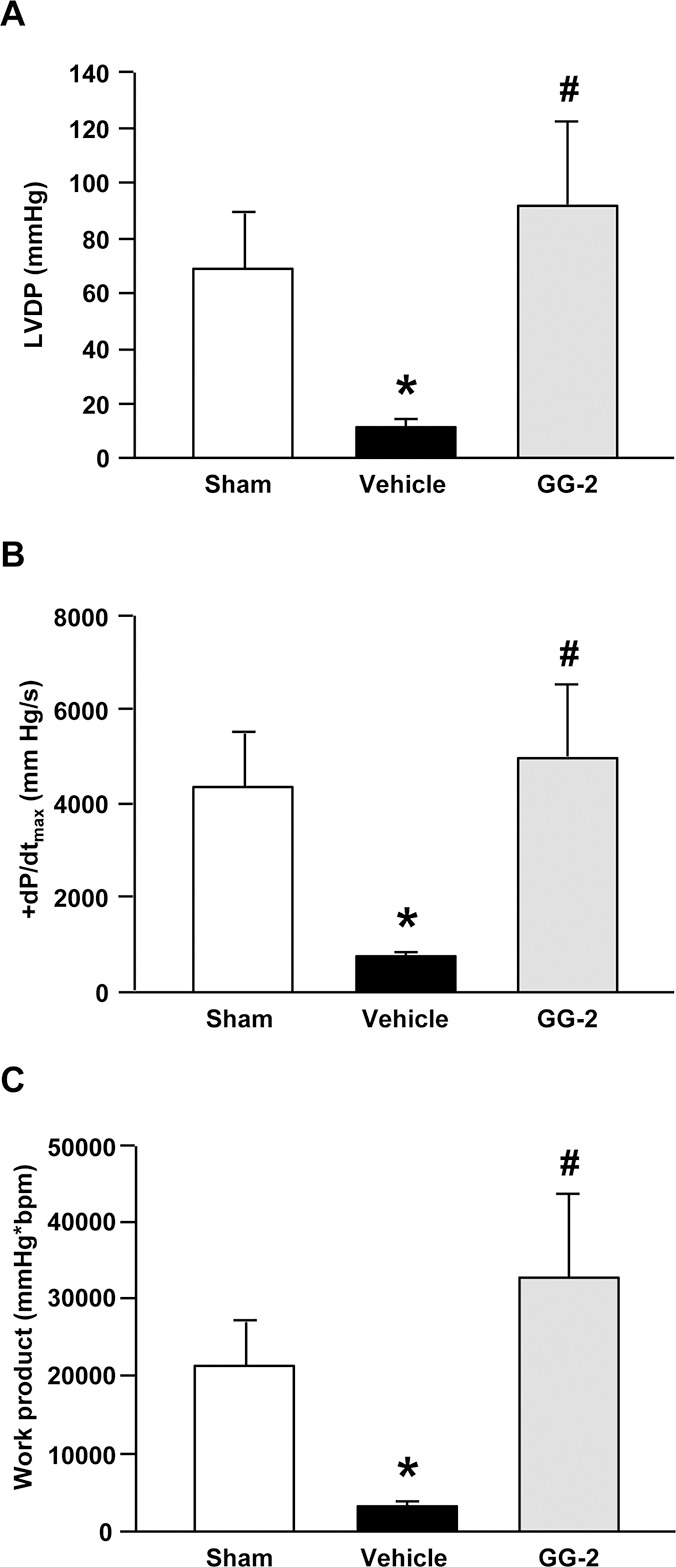
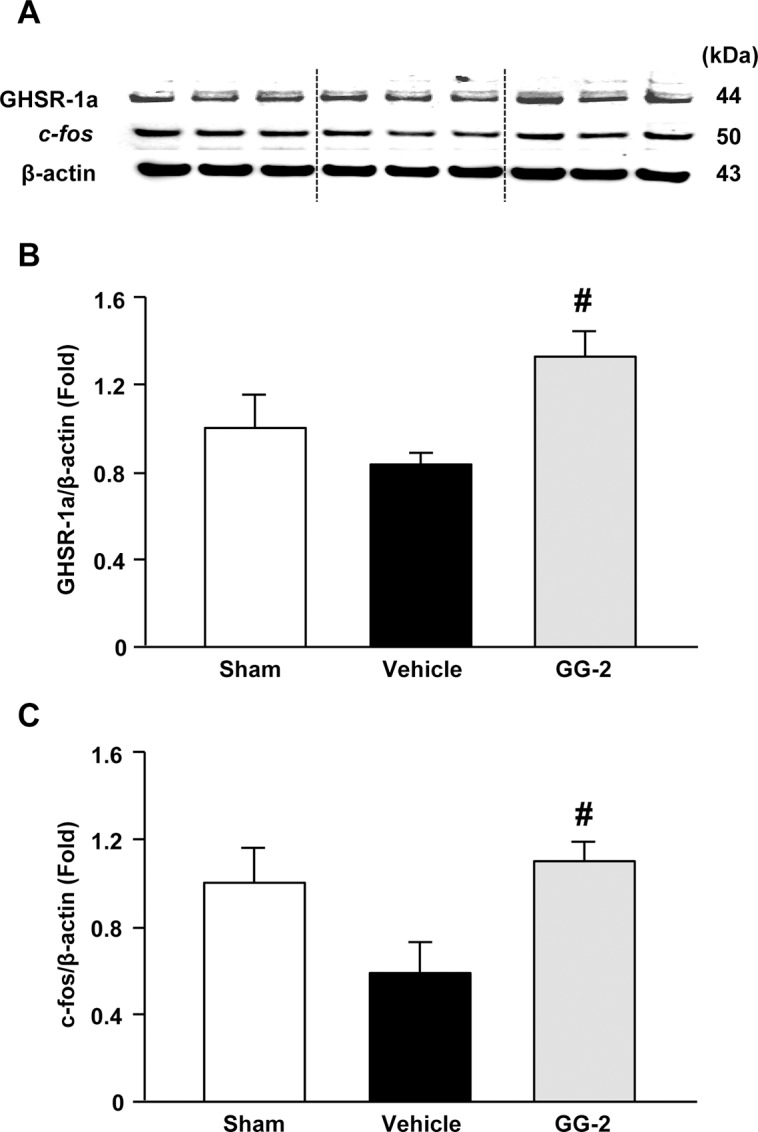
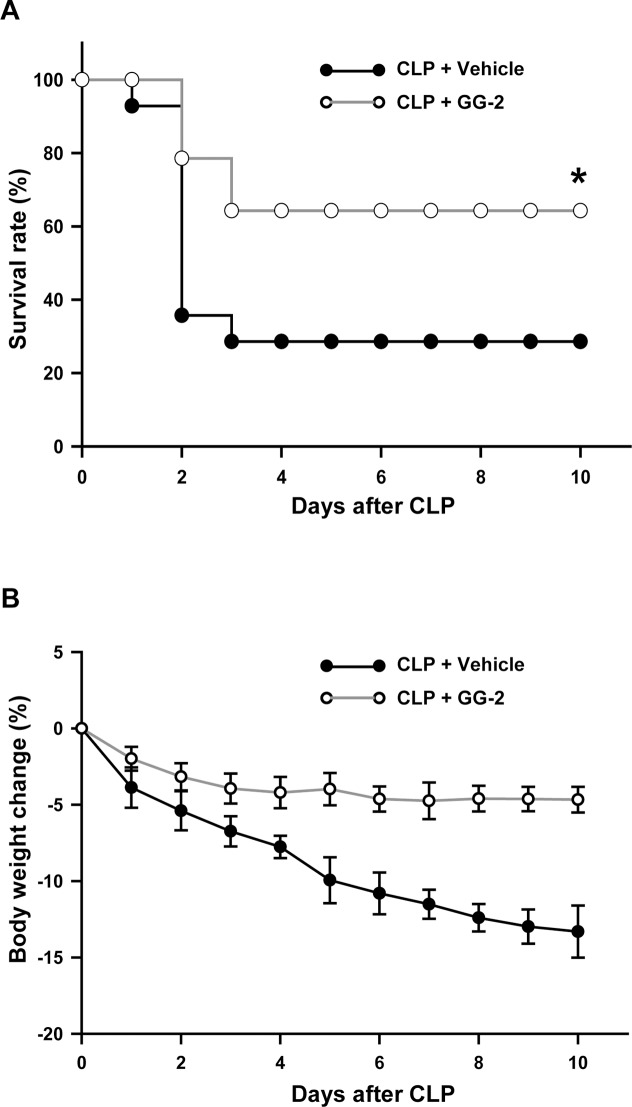
Sepsis is a major healthcare concern, especially in the elderly population. The use of an animal model closely resembling clinical conditions in this population may provide a better prediction in translating bench studies to the bedside. Ghrelin inhibits sympathetic nerve activity and inflammation in young septic animals; however, aged animals become hyporesponsive to ghrelin. In this study, we evaluated the efficacy of combined human ghrelin and growth hormone (GH) for sepsis treatment in the elderly utilizing a clinically relevant animal model of sepsis. Male Fischer 344 rats 22 to 24 months old were subjected to cecal ligation and puncture (CLP). Human ghrelin plus GH or vehicle (normal saline) was administered subcutaneously at 5 h after CLP. At 20 h after CLP, blood and tissue samples were collected for various analyses. Combined treatment attenuated serum levels of lactate, lactate dehydrogenase, creatinine, blood urea nitrogen, interleukin-6 (IL-6) and tumor necrosis factor-α (TNF-α) in aged septic rats. The integrity of the microscopic structure in the lungs, liver and kidneys was well preserved after treatment. Expression of IL-6, TNF-α, macrophage inflammatory protein-2 and keratinocyte-derived chemokine as well as myeloperoxidase activity and caspase-3 activation were significantly reduced in the lungs and liver of treated rats. Moreover, treated rats showed an improvement in cardiovascular function and increased expression of ghrelin receptor and c-fos in the brainstem. Finally, the 10-d survival of aged septic rats was increased from 29% to 64% after combined treatment and was associated with less body weight loss. Our findings warrant the development of combined human ghrelin and GH for sepsis treatment in the geriatric population.
Conflict of interest statement
P Wang is an inventor of the United States Patent No. US 8,324,151 B2: —Treatment of sepsis and septic shock using ghrelin and growth hormone.” TheraSource LLC holds the exclusive option to license the technology from the Feinstein Institute for Medical Research. P Wang is a cofounder of TheraSource LLC.
Figures
References
-
- Chang HJ, Lynm C, Glass RM. JAMA patient page Sepsis. JAMA. 2010;304:1856. - PubMed
-
- Angus DC, et al. Epidemiology of severe sepsis in the United States: analysis of incidence, outcome, and associated costs of care. Crit Care Med. 2001;29:1303–10. - PubMed
-
- Martin GS, Mannino DM, Moss M. The effect of age on the development and outcome of adult sepsis. Crit Care Med. 2006;34:15–21. - PubMed
-
- Kojima M, et al. Ghrelin is a growth-hormone-releasing acylated peptide from stomach. Nature. 1999;402:656–60. - PubMed
Grants and funding
LinkOut - more resources
Full Text Sources
Other Literature Sources
Research Materials
Miscellaneous
