


Simvastatin Efficiently Lowers Small LDL-IgG Immune Complex Levels: A Therapeutic Quality beyond the Lipid-Lowering Effect
- PMID: 26840480
- PMCID: PMC4739583
- DOI: 10.1371/journal.pone.0148210
Simvastatin Efficiently Lowers Small LDL-IgG Immune Complex Levels: A Therapeutic Quality beyond the Lipid-Lowering Effect
Abstract
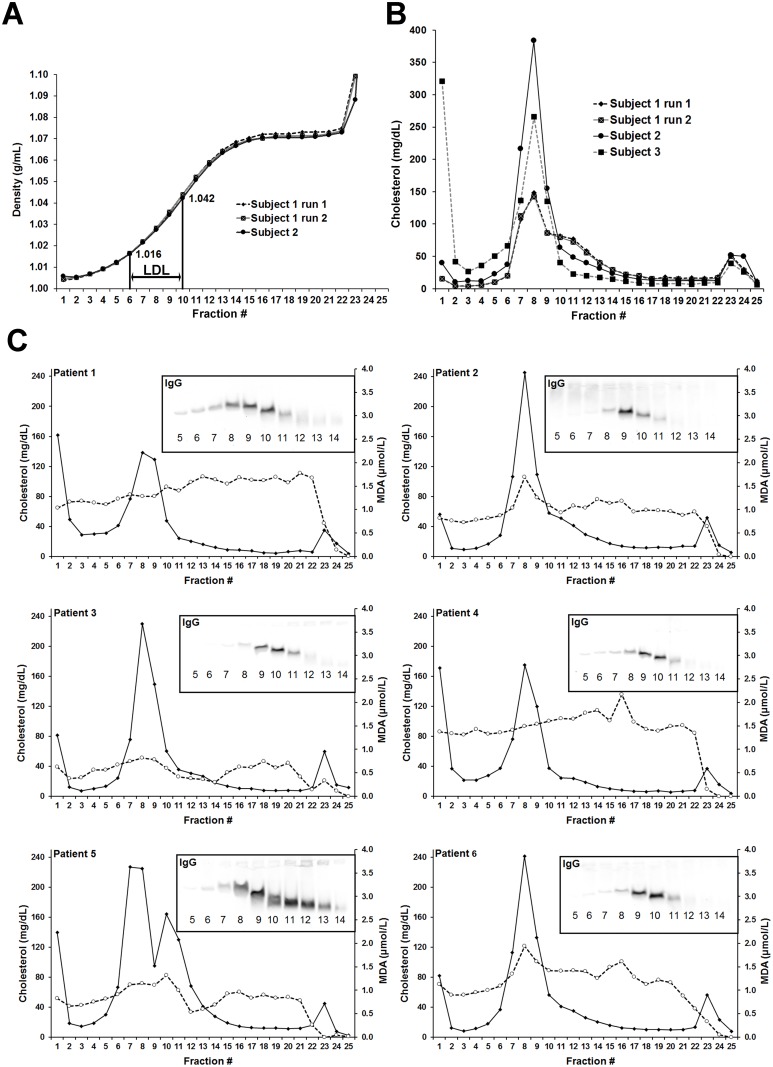
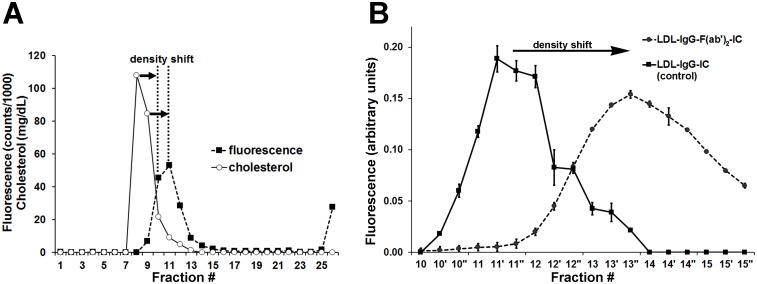
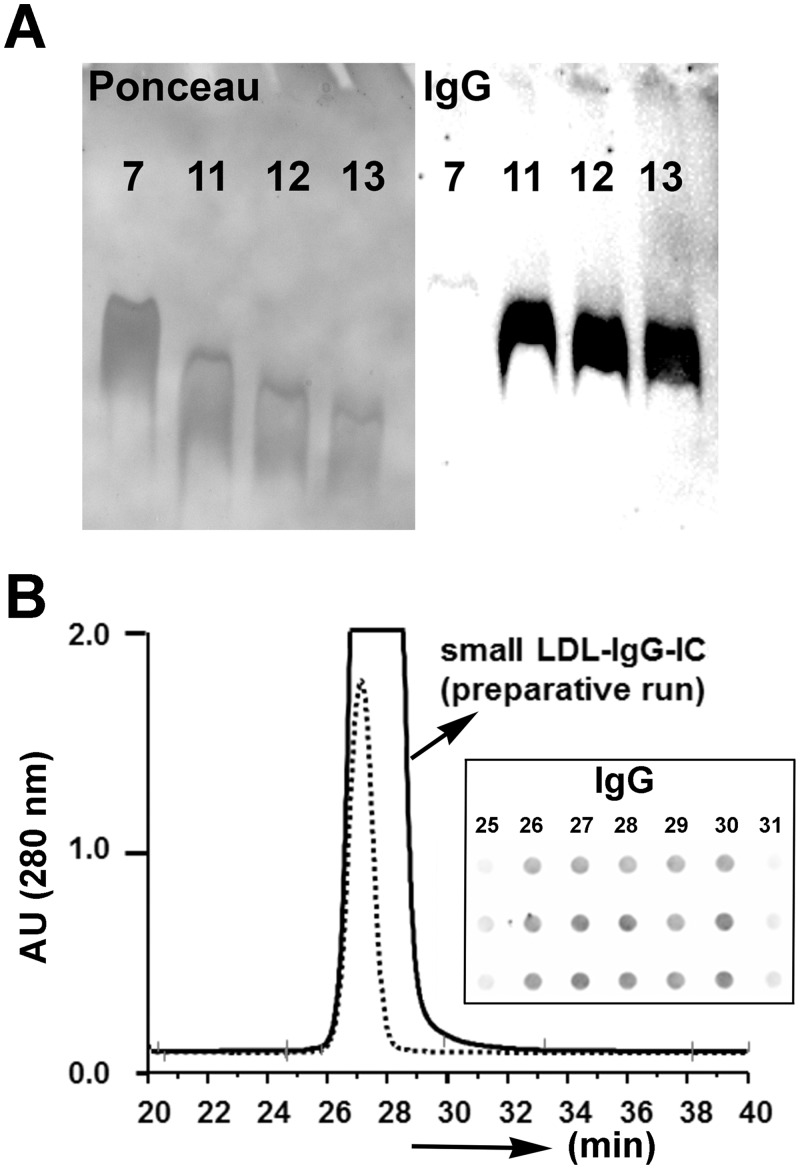
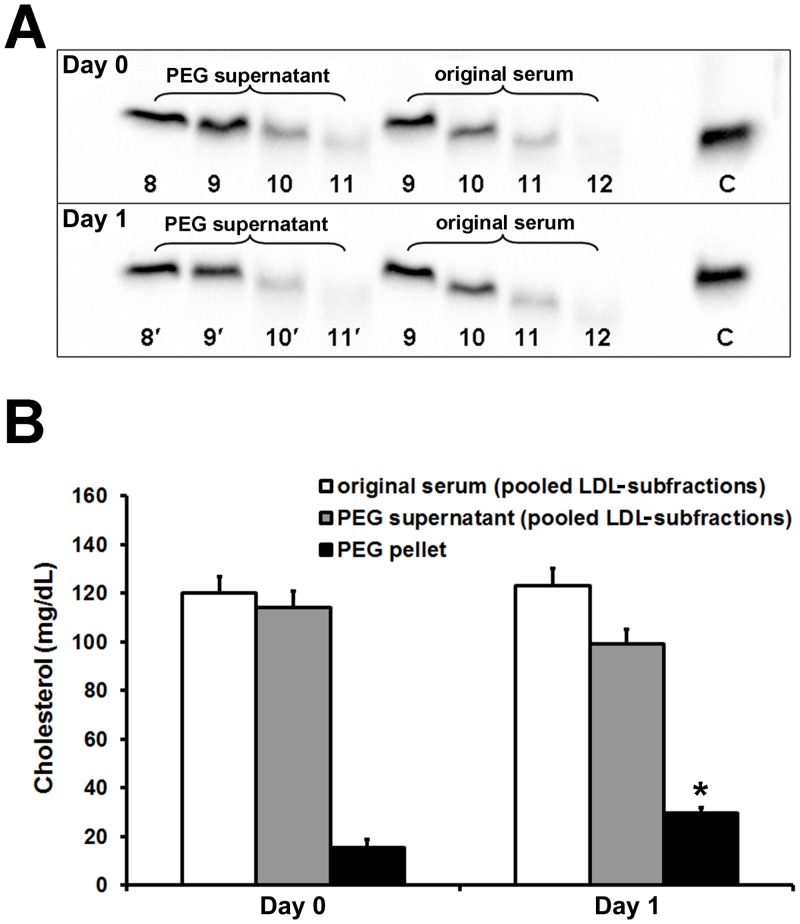
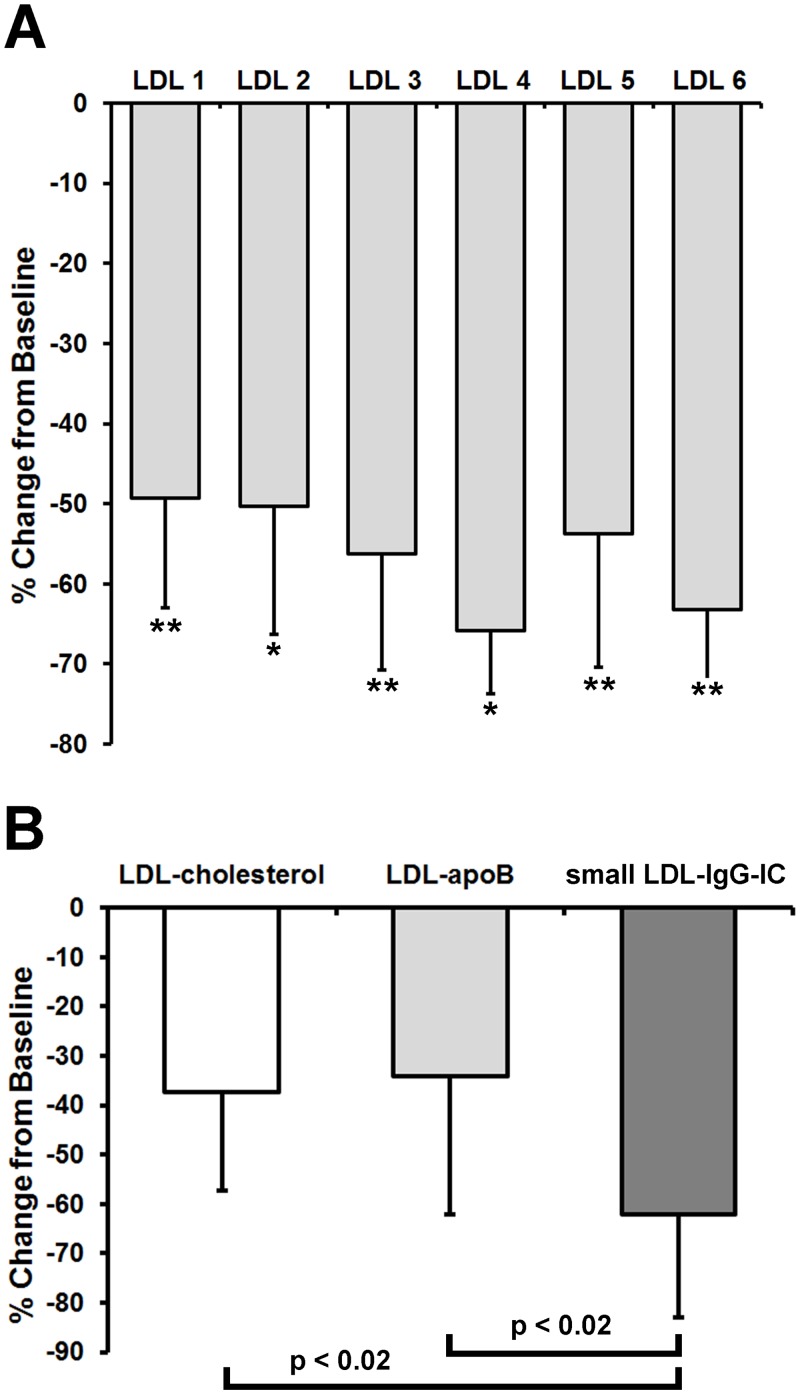
We investigated a polyethylene glycol non-precipitable low-density lipoprotein (LDL) subfraction targeted by IgG and the influence of statin therapy on plasma levels of these small LDL-IgG-immune complexes (LDL-IgG-IC). LDL-subfractions were isolated from 6 atherosclerotic subjects and 3 healthy individuals utilizing iodixanol density gradient ultracentrifugation. Cholesterol, apoB and malondialdehyde (MDA) levels were determined in each fraction by enzymatic testing, dissociation-enhanced lanthanide fluorescence immunoassay and high-performance liquid chromatography, respectively. The levels of LDL-IgG-IC were quantified densitometrically following lipid electrophoresis, particle size distribution was assessed with dynamic light scattering and size exclusion chromatography. The influence of simvastatin (40 mg/day for three months) on small LDL-IgG-IC levels and their distribution among LDL-subfractions (salt gradient separation) were investigated in 11 patients with confirmed coronary artery disease (CAD). We demonstrate that the investigated LDL-IgG-IC are small particles present in atherosclerotic patients and healthy subjects. In vitro assembly of LDL-IgG-IC resulted in particle density shifts indicating a composition of one single molecule of IgG per LDL particle. Normalization on cholesterol levels revealed MDA values twice as high for LDL-subfractions rich in small LDL-IgG-IC if compared to dominant LDL-subfractions. Reactivity of affinity purified small LDL-IgG-IC to monoclonal antibody OB/04 indicates a high degree of modified apoB and oxidative modification. Simvastatin therapy studied in the CAD patients significantly lowered LDL levels and to an even higher extent, small LDL-IgG-IC levels without affecting their distribution. In conclusion simvastatin lowers levels of small LDL-IgG-IC more effectively than LDL-cholesterol and LDL-apoB levels in atherosclerotic patients. This antiatherogenic effect may additionally contribute to the known beneficial effects of this drug in the treatment of atherosclerosis.
Conflict of interest statement
Figures
References
-
- Steinberg D, Parthasarathy S, Carew TE, Khoo JC, Witztum JL. Beyond cholesterol. Modifications of low-density lipoprotein that increase its atherogenicity. N Engl J Med. 1989;320(14):915–24. - PubMed
-
- Orekhov AN, Bobryshev YV, Sobenin IA, Melnichenko AA, Chistiakov DA. Modified low density lipoprotein and lipoprotein-containing circulating immune complexes as diagnostic and prognostic biomarkers of atherosclerosis and type 1 diabetes macrovascular disease. International journal of molecular sciences. 2014;15(7):12807–41. 10.3390/ijms150712807 - DOI - PMC - PubMed
-
- Matsuura E, Kobayashi K, Lopez LR. Atherosclerosis in autoimmune diseases. Curr Rheumatol Rep. 2009;11(1):61–9. - PubMed
MeSH terms
Substances
LinkOut - more resources
Full Text Sources
Other Literature Sources
Medical
Miscellaneous
