


Prevalence of Urinary Tract Infection and Antimicrobial Susceptibility among Diabetic Patients with Controlled and Uncontrolled Glycemia in Kuwait
- PMID: 26844231
- PMCID: PMC4710901
- DOI: 10.1155/2016/6573215
Prevalence of Urinary Tract Infection and Antimicrobial Susceptibility among Diabetic Patients with Controlled and Uncontrolled Glycemia in Kuwait
Abstract
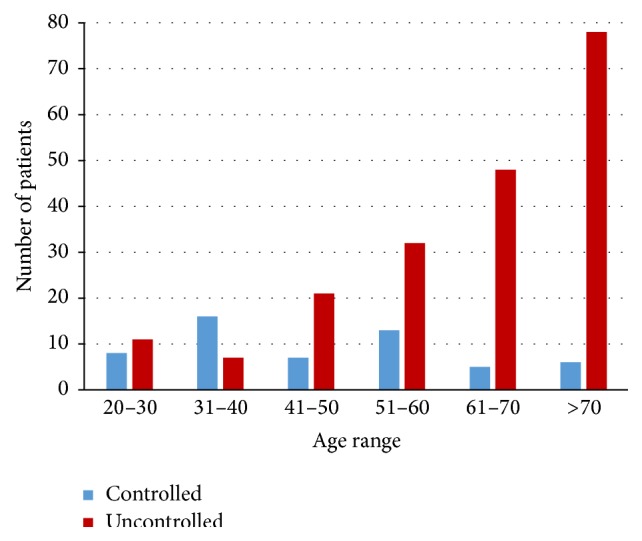
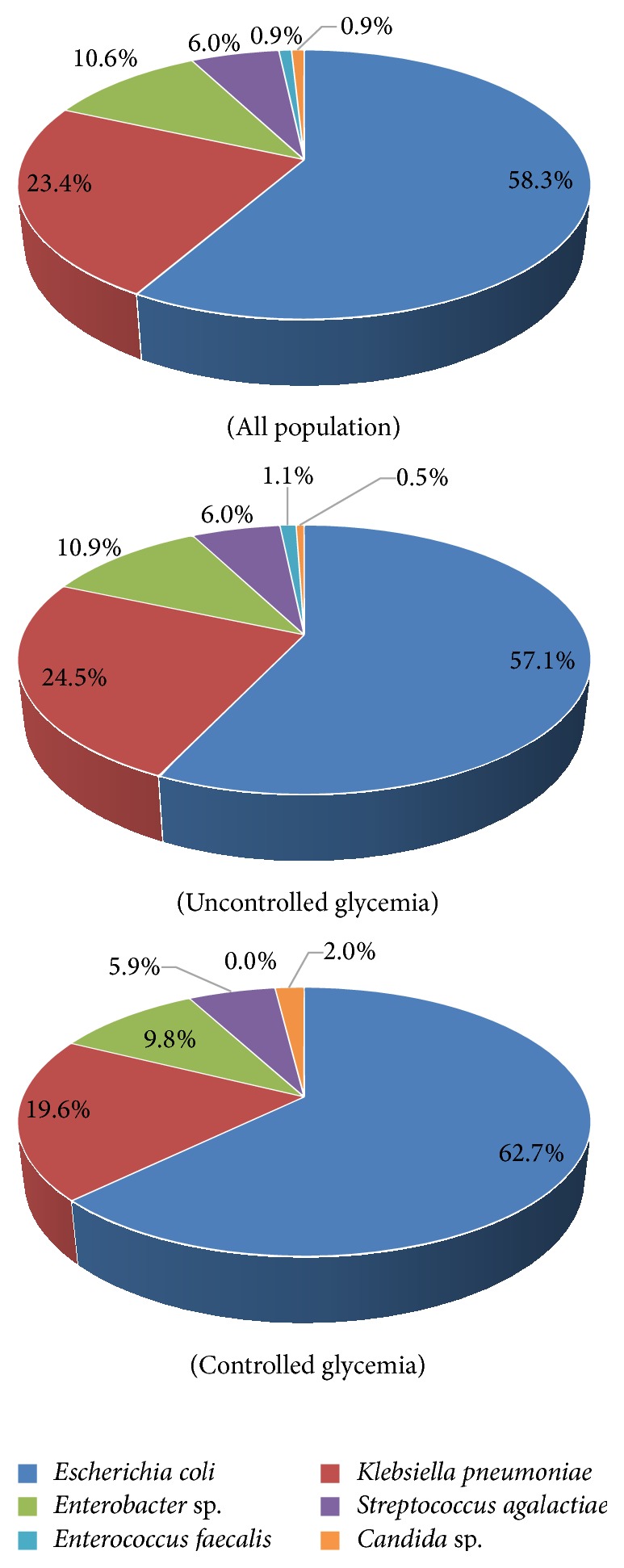
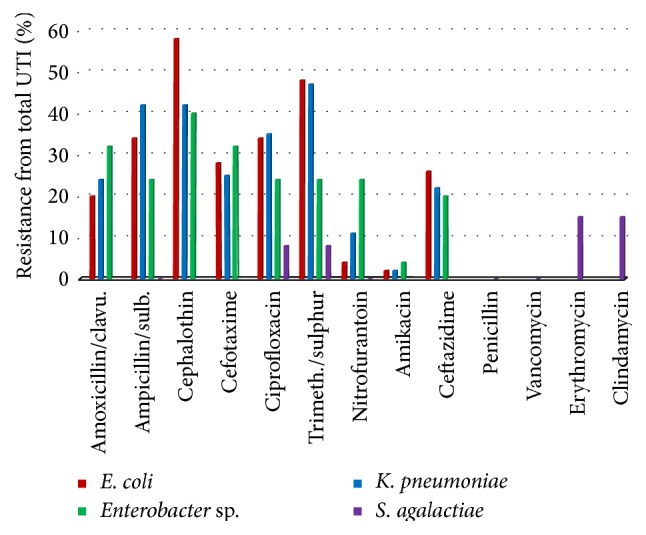
Diabetic patients have higher risk of urinary tract infection (UTI). In the present study, we investigated the impact of glycemic control in diabetic patients on UTI prevalence, type of strains, and their antimicrobial drugs susceptibility. This study was conducted on urine samples from 722 adult diabetic patients from which 252 (35%) samples were positive for uropathogens. Most UTI cases occurred in the uncontrolled glycemic group (197 patients) versus 55 patients with controlled glycemia. Higher glycemic levels were measured in uncontrolled glycemia group (HbA1c = 8.3 ± 1.5 and 5.4 ± 0.4, resp., P < 0.0001). Females showed much higher prevalence of UTI than males in both glycemic groups (88.5% and 11.5%, resp., P < 0.0001). In the uncontrolled glycemia group 90.9% of the UTI cases happened at ages above 40 years and a clear correlation was obtained between patient age ranges and number of UTI cases (r = 0.94; P = 0.017), whereas in the group with controlled glycemia no trend was observed. Escherichia coli was the predominant uropathogen followed by Klebsiella pneumoniae and they were together involved in 76.2% of UTI cases. Those species were similarly present in both diabetic groups and displayed comparable antibiotic resistance pattern. These results highlight the importance of controlling glycemia in diabetic patients to reduce the UTI regardless of age and gender.
Figures
References
-
- Saleem M., Daniel B. Prevalence of urinary tract infection among patients with diabetes in Bangalore city. International Journal of Emerging Sciences. 2011;1(2):133–142.
MeSH terms
Substances
LinkOut - more resources
Full Text Sources
Other Literature Sources
Medical
Molecular Biology Databases
