


Fear of Movement and Low Self-Efficacy Are Important Barriers in Physical Activity after Renal Transplantation
- PMID: 26844883
- PMCID: PMC4742485
- DOI: 10.1371/journal.pone.0147609
Fear of Movement and Low Self-Efficacy Are Important Barriers in Physical Activity after Renal Transplantation
Abstract
Background: Physical activity (PA) and exercise are commonly used as preventive measures for cardiovascular disease in the general population, and could be effective in the management of post-transplantation cardiovascular risk. PA levels are low after renal transplantation and very few renal transplant recipients (RTR) meet the PA guidelines. Identification of barriers to regular PA is important to identify targets for intervention to improve PA levels after renal transplantation. We investigated fear of movement and physical self-efficacy as barriers to PA in RTR.
Methods: RTR were investigated between 2001-2003. The Tampa Score of Kinesiophobia-Dutch Version (TSK-11) was used to assess fear of movement. Physical self-efficacy was measured with the LIVAS-scale. PA was assessed using validated questionnaires (Tecumseh Occupational Activity Questionnaire and the Minnesota Leisure Time Physical Activity Questionnaire).
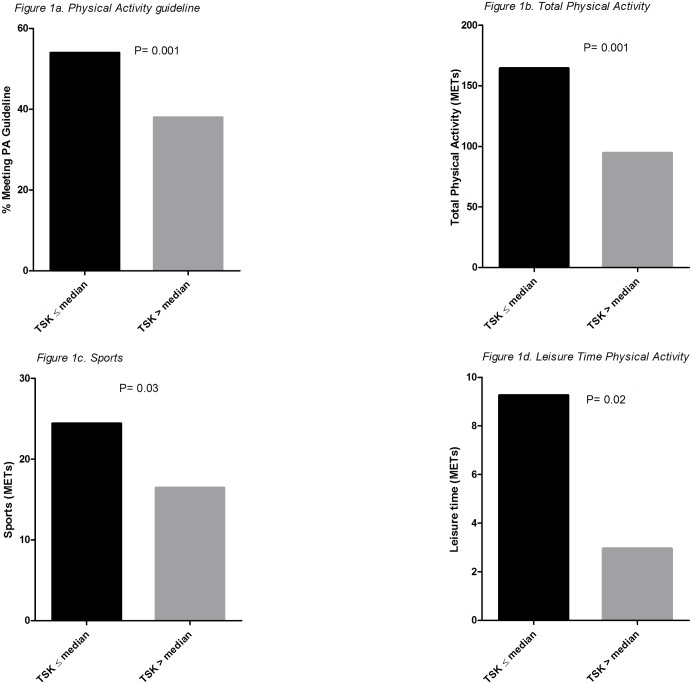
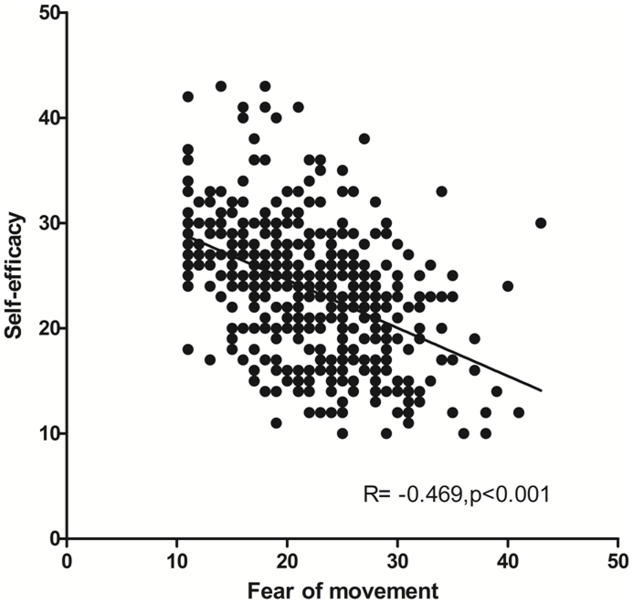
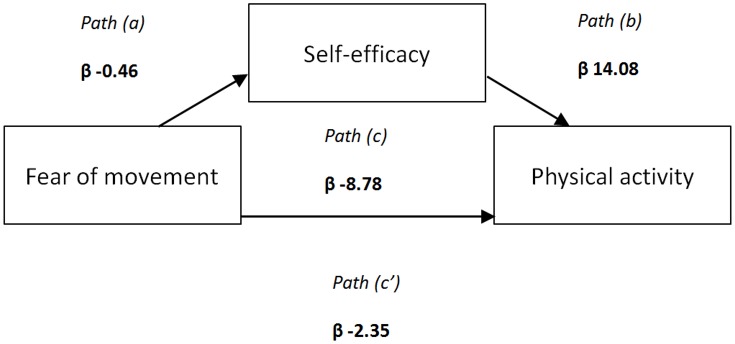
Results: A total of 487 RTR (age 51±12 years, 55% men) were studied. Median score [interquartile range] on TSK-11 was 22 [17-26]. Low physical self-efficacy (Exp B:0.41[0.31-0.54], p<0.001) and history of myocardial infarction, transient ischemic attack and cerebrovascular accident (Exp B:1.30[1.03-1.63],p = 0.03) were independent determinants for fear of movement. Fear of movement was associated with lower daily PA, occupational, sports and leisure time PA. Mediation-analysis showed that a large part (73%) of the effect of fear of movement on PA was explained by low physical self-efficacy.
Conclusions: This study was the first to examine fear of movement and self-efficacy in relation to PA in RTR. Fear of movement was associated with a low PA level, and the larger part of this relation was mediated by low physical self-efficacy. Both fear of movement and physical self-efficacy level are important targets for intervention during rehabilitation after renal transplantation.
Conflict of interest statement
Figures
References
-
- Kasiske BL, Snyder JJ, Gilbertson D, Matas AJ. Diabetes mellitus after kidney transplantation in the United States. Am J Transplant 2003;3: 178–185. - PubMed
-
- Aakhus S, Dahl K, Wideroe TE. Cardiovascular disease in stable renal transplant patients in Norway: morbidity and mortality during a 5-yr follow-up. Clin Transplant 2004;18: 596–604. - PubMed
MeSH terms
LinkOut - more resources
Full Text Sources
Other Literature Sources
Medical
