


T cell migration, search strategies and mechanisms
- PMID: 26852928
- PMCID: PMC4869523
- DOI: 10.1038/nri.2015.16
T cell migration, search strategies and mechanisms
Abstract
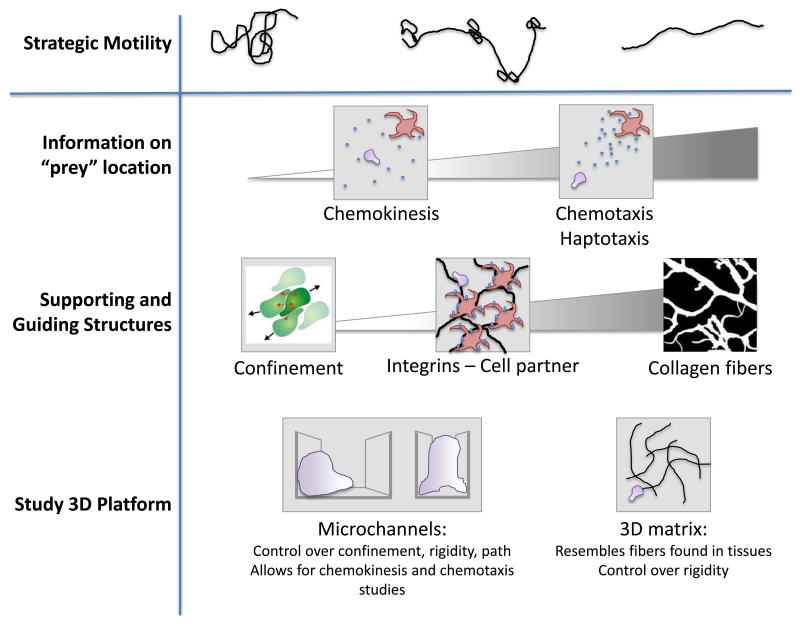
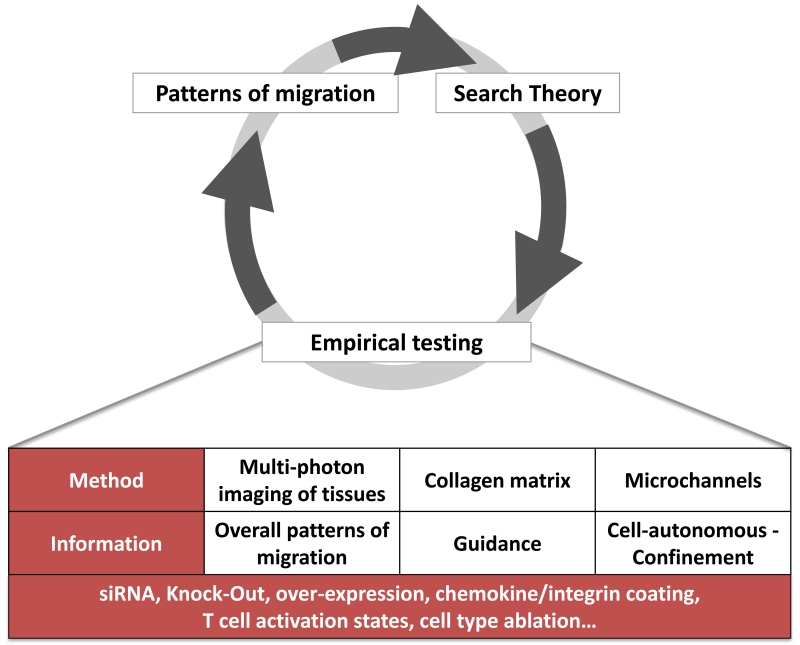
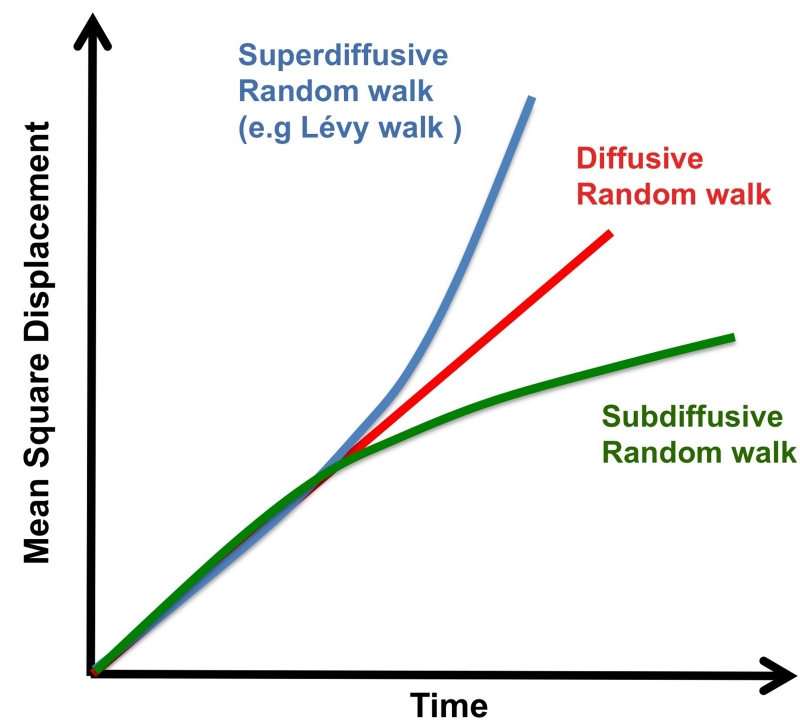
T cell migration is essential for T cell responses; it allows for the detection of cognate antigen at the surface of antigen-presenting cells and for interactions with other cells involved in the immune response. Although appearing random, growing evidence suggests that T cell motility patterns are strategic and governed by mechanisms that are optimized for both the activation stage of the cell and for environment-specific cues. In this Opinion article, we discuss how the combined effects of T cell-intrinsic and -extrinsic forces influence T cell motility patterns in the context of highly complex tissues that are filled with other cells involved in parallel motility. In particular, we examine how insights from 'search theory' can be used to describe T cell movement across an 'exploitation-exploration trade-off' in the context of activation versus effector function and lymph nodes versus peripheral tissues.
Figures

References
-
- Jenkins MK, Chu HH, McLachlan JB, Moon JJ. On the composition of the preimmune repertoire of T cells specific for Peptide-major histocompatibility complex ligands. Annu Rev Immunol. 2010;28:275–94. - PubMed
-
- Bajenoff M, et al. Highways, byways and breadcrumbs: directing lymphocyte traffic in the lymph node. Trends Immunol. 2007;28:346–52. - PubMed
-
- Fu H, Wang A, Mauro C, Marelli-Berg F. T lymphocyte trafficking: molecules and mechanisms. Front Biosci (Landmark Ed) 2013;18:422–40. - PubMed
Publication types
MeSH terms
Grants and funding
LinkOut - more resources
Full Text Sources
Other Literature Sources
