


Prenatal Choline Supplementation Diminishes Early-Life Iron Deficiency-Induced Reprogramming of Molecular Networks Associated with Behavioral Abnormalities in the Adult Rat Hippocampus
- PMID: 26865644
- PMCID: PMC4763487
- DOI: 10.3945/jn.115.227561
Prenatal Choline Supplementation Diminishes Early-Life Iron Deficiency-Induced Reprogramming of Molecular Networks Associated with Behavioral Abnormalities in the Adult Rat Hippocampus
Abstract
Background: Early-life iron deficiency is a common nutrient deficiency worldwide. Maternal iron deficiency increases the risk of schizophrenia and autism in the offspring. Postnatal iron deficiency in young children results in cognitive and socioemotional abnormalities in adulthood despite iron treatment. The rat model of diet-induced fetal-neonatal iron deficiency recapitulates the observed neurobehavioral deficits.
Objectives: We sought to establish molecular underpinnings for the persistent psychopathologic effects of early-life iron deficiency by determining whether it permanently reprograms the hippocampal transcriptome. We also assessed the effects of maternal dietary choline supplementation on the offspring's hippocampal transcriptome to identify pathways through which choline mitigates the emergence of long-term cognitive deficits.
Methods: Male rat pups were made iron deficient (ID) by providing pregnant and nursing dams an ID diet (4 g Fe/kg) from gestational day (G) 2 through postnatal day (PND) 7 and an iron-sufficient (IS) diet (200 g Fe/kg) thereafter. Control pups were provided IS diet throughout. Choline (5 g/kg) was given to half the pregnant dams in each group from G11 to G18. PND65 hippocampal transcriptomes were assayed by next generation sequencing (NGS) and analyzed with the use of knowledge-based Ingenuity Pathway Analysis. Real-time polymerase chain reaction was performed to validate a subset of altered genes.
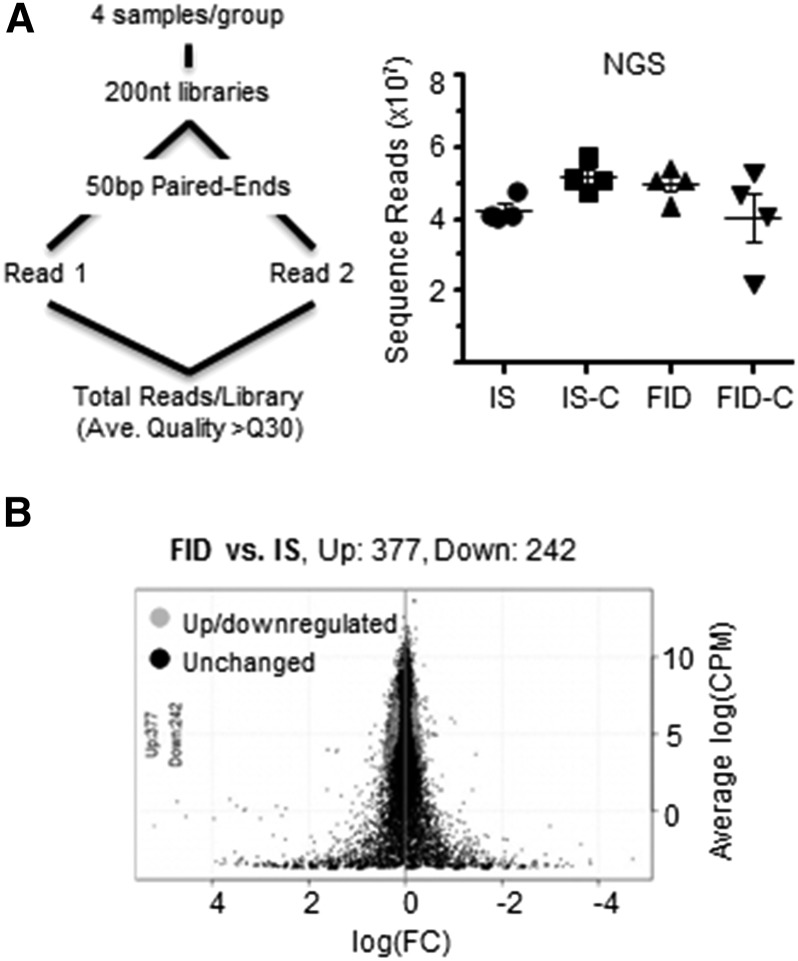
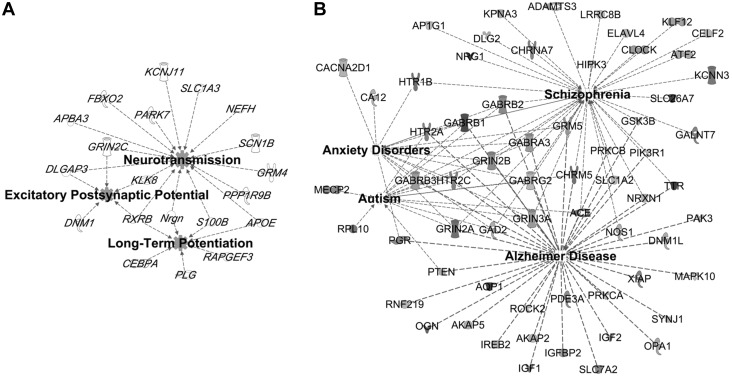
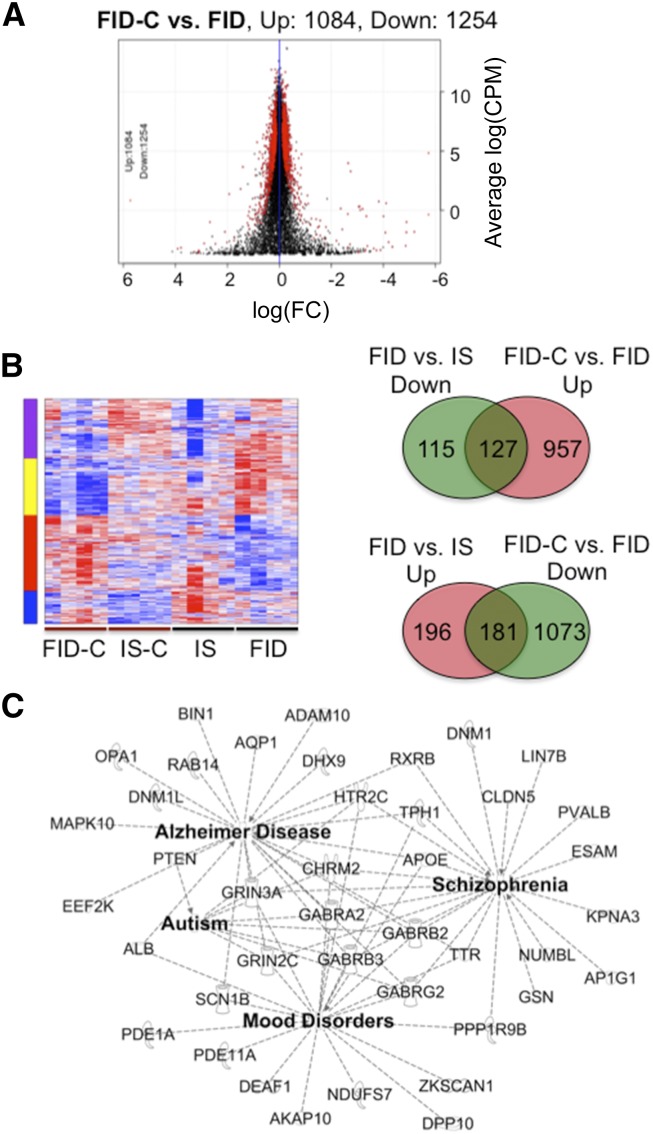
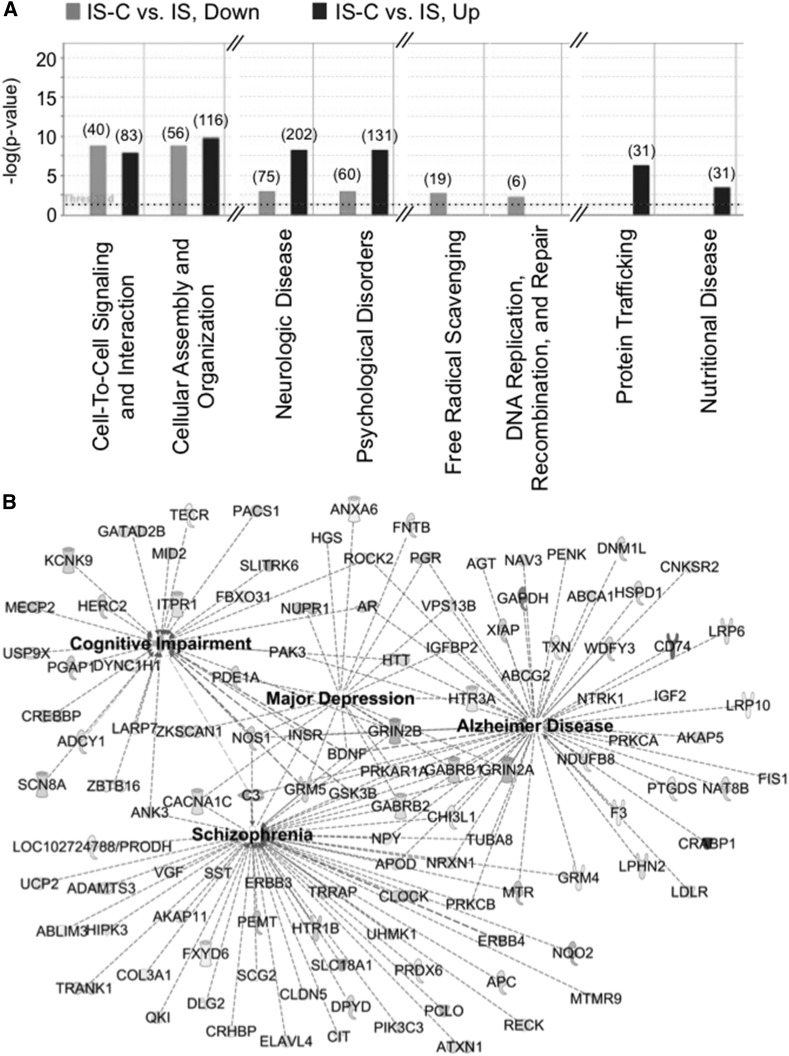
Results: Formerly ID rats had altered hippocampal expression of 619 from >10,000 gene loci sequenced by NGS, many of which map onto molecular networks implicated in psychological disorders, including anxiety, autism, and schizophrenia. There were significant interactions between iron status and prenatal choline treatment in influencing gene expression. Choline supplementation reduced the effects of iron deficiency, including those on gene networks associated with autism and schizophrenia.
Conclusions: Fetal-neonatal iron deficiency reprograms molecular networks associated with the pathogenesis of neurologic and psychological disorders in adult rats. The positive response to prenatal choline represents a potential adjunctive therapeutic supplement to the high-risk group.
Keywords: choline supplementation; fetal iron deficiency; hippocampus; psychological disorders; transcriptome.
© 2016 American Society for Nutrition.
Conflict of interest statement
Author disclosures: PV Tran, BC Kennedy, MT Pisansky, K-J Won, JC Gewirtz, RA Simmons, and MK Georgieff, no conflicts of interest.
Figures
References
-
- Georgieff MK, Wewerka SW, Nelson CA, Deregnier RA. Iron status at 9 months of infants with low iron stores at birth. J Pediatr 2002;141:405–9. - PubMed
-
- Petry CD, Eaton MA, Wobken JD, Mills MM, Johnson DE, Georgieff MK. Iron deficiency of liver, heart, and brain in newborn infants of diabetic mothers. J Pediatr 1992;121:109–14. - PubMed
-
- Chockalingam UM, Murphy E, Ophoven JC, Weisdorf SA, Georgieff MK. Cord transferrin and ferritin values in newborn infants at risk for prenatal uteroplacental insufficiency and chronic hypoxia. J Pediatr 1987;111:283–6. - PubMed
Publication types
MeSH terms
Substances
Grants and funding
LinkOut - more resources
Full Text Sources
Other Literature Sources
