


Targeting Dysbiosis for the Treatment of Liver Disease
- PMID: 26870931
- PMCID: PMC6658186
- DOI: 10.1055/s-0035-1571276
Targeting Dysbiosis for the Treatment of Liver Disease
Abstract
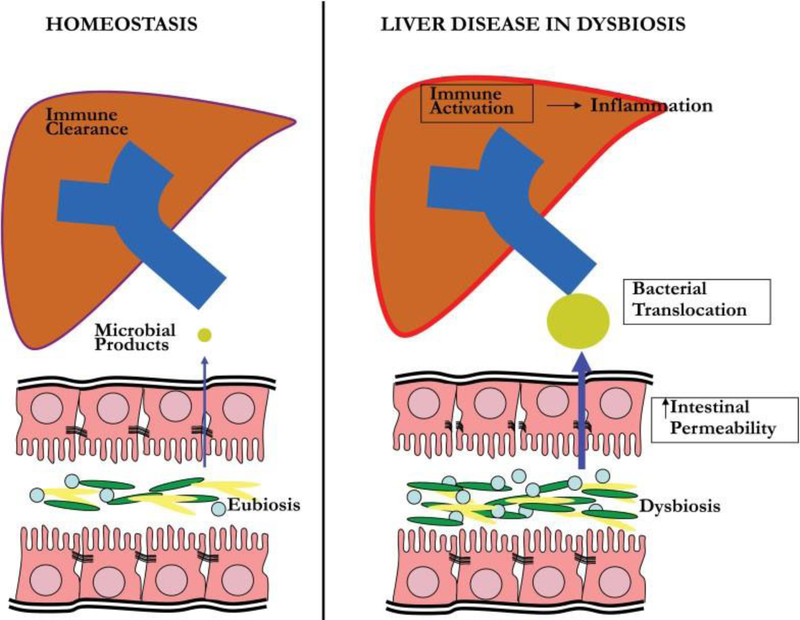
The gut microbiome is composed of a vast number of microbes in the gastrointestinal tract, which benefit host metabolism, aid in digestion, and contribute to normal immune function. Alterations in microbial composition can result in intestinal dysbiosis, which has been implicated in several diseases including obesity, inflammatory bowel disease, and liver diseases. Over the past several years, significant interactions between the intestinal microbiota and liver have been discovered, with possible mechanisms for the development as well as progression of liver disease and promising therapeutic targets to either prevent or halt the progression of liver disease. In this review the authors examine mechanisms of dysbiosis-induced liver disease; highlight current knowledge regarding the role of dysbiosis in nonalcoholic liver disease, alcoholic liver disease, and cirrhosis; and discuss potential therapeutic targets.
Thieme Medical Publishers 333 Seventh Avenue, New York, NY 10001, USA.
Figures
References
-
- Loomba R, Sanyal AJ. The global NAFLD epidemic. Nat Rev Gastroenterol Hepatol 2013;10(11):686–690 - PubMed
-
- Farrell GC, Wong VW, Chitturi S. NAFLD in Asia—as common and important as in the West. Nat Rev Gastroenterol Hepatol 2013; 10(5):307–318 - PubMed
-
- Younossi ZM, Stepanova M, Afendy M, et al. Changes in the prevalence of the most common causes of chronic liver diseases in the United States from 1988 to 2008. Clin Gastroenterol Hepatol 2011;9(6):524–530.e1, quiz e60 - PubMed
Publication types
MeSH terms
Substances
Grants and funding
LinkOut - more resources
Full Text Sources
Other Literature Sources
Medical
Miscellaneous
