


Why some tumours trigger neovascularisation and others don't: the story thus far
- PMID: 26873439
- PMCID: PMC4752802
- DOI: 10.1186/s40880-016-0082-6
Why some tumours trigger neovascularisation and others don't: the story thus far
Abstract
Background: Angiogenesis is not essential for tumours to develop and expand, as cancer can also grow in a non-angiogenic fashion, but why this type of growth occurs is unknown. Surprisingly, our data from mRNA transcription profiling did not show any differences in the classical angiogenic pathways, but differences were observed in mitochondrial metabolic pathways, suggesting a key role for metabolic reprogramming. We then validated these results with mRNA profiling by investigating differential protein expression via immunohistochemistry in angiogenic and non-angiogenic non-small cell lung cancers (NSCLCs).
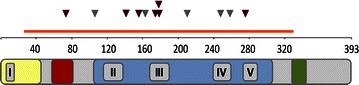
Methods: Immunohistochemical staining for 35 angiogenesis- and hypoxia-related biomarkers were performed on a collection of 194 angiogenic and 73 non-angiogenic NSCLCs arranged on tissue microarrays. Sequencing of P53 was performed with frozen tissue samples of NSCLC.
Results: The non-angiogenic tumours were distinguished from the angiogenic ones by having higher levels of proteins associated with ephrin pathways, mitochondria, cell biogenesis, and hypoxia-inducible factor 1 (HIF1) regulation by oxygen and transcription of HIF-controlled genes but lower levels of proteins involved in the stroma, cell-cell signaling and adhesion, integrins, and Delta-Notch and epidermal growth factor (EGF)-related signaling. However, proteins classically associated with angiogenesis were present in both types of tumours at very comparable levels. Cytoplasmic expression of P53 was strongly associated with non-angiogenic tumours. A pilot investigation showed that P53 mutations were observed in 32.0% of angiogenic cases but in 71.4% of non-angiogenic tumours.
Conclusions: Our observations thus far indicate that both angiogenic and non-angiogenic tumours experience hypoxia/HIF and vascular endothelial growth factor (VEGF) pathway protein expression in a comparable fashion. However, angiogenesis does not ensue in the non-angiogenic tumours. Surprisingly, metabolic reprogramming seems to distinguish these two types of neoplastic growth. On the basis of these results, we raise the hypothesis that in some, but not in all cases, initial tissue remodeling and/or inflammation could be one of the secondary steps necessary to trigger angiogenesis. In the non-angiogenic tumours, in which neovascularisation fails to occur, HIF pathway activation could be the driving force toward metabolic reprogramming.
Figures
References
Publication types
MeSH terms
Substances
Grants and funding
LinkOut - more resources
Full Text Sources
Other Literature Sources
Medical
Research Materials
Miscellaneous
