


Towards a Global Names Architecture: The future of indexing scientific names
- PMID: 26877664
- PMCID: PMC4741226
- DOI: 10.3897/zookeys.550.10009
Towards a Global Names Architecture: The future of indexing scientific names
Abstract
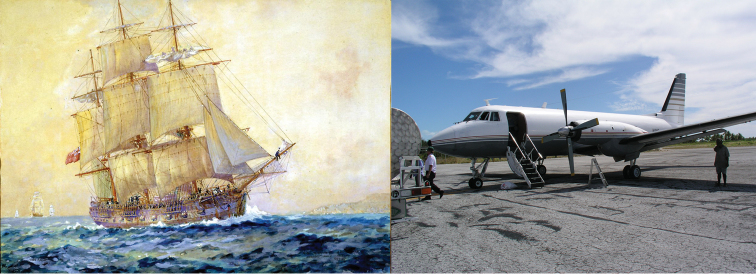
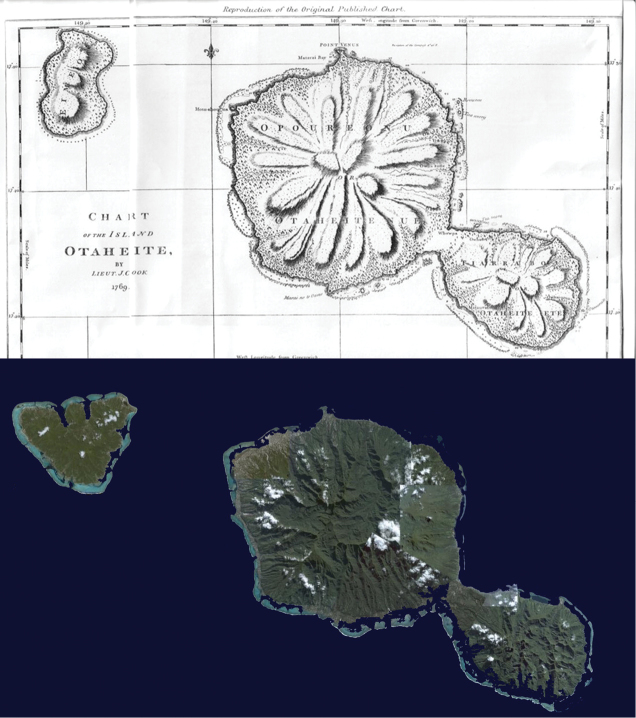
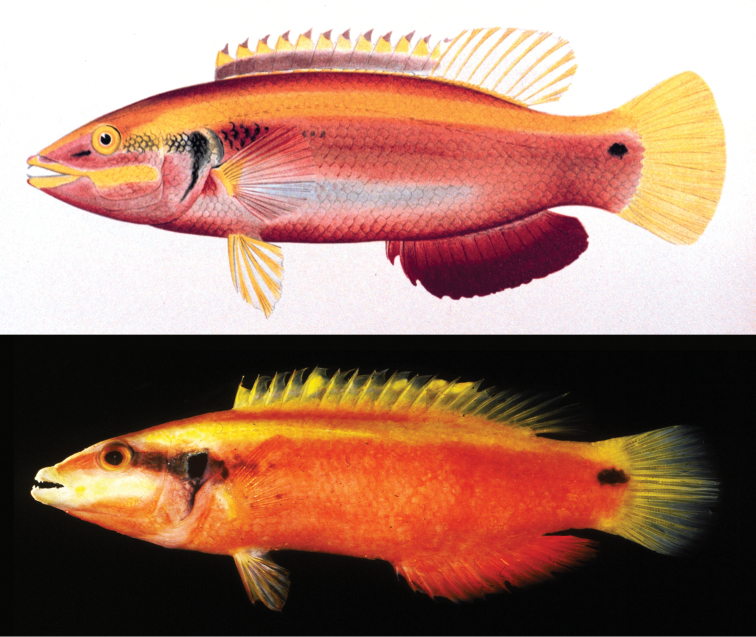
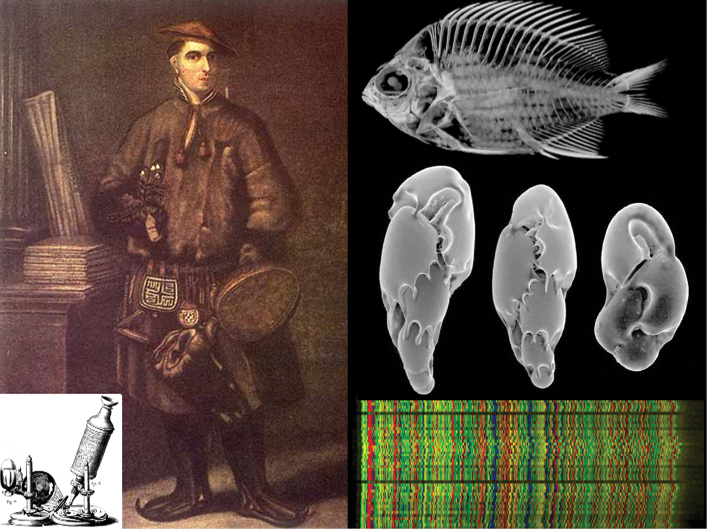
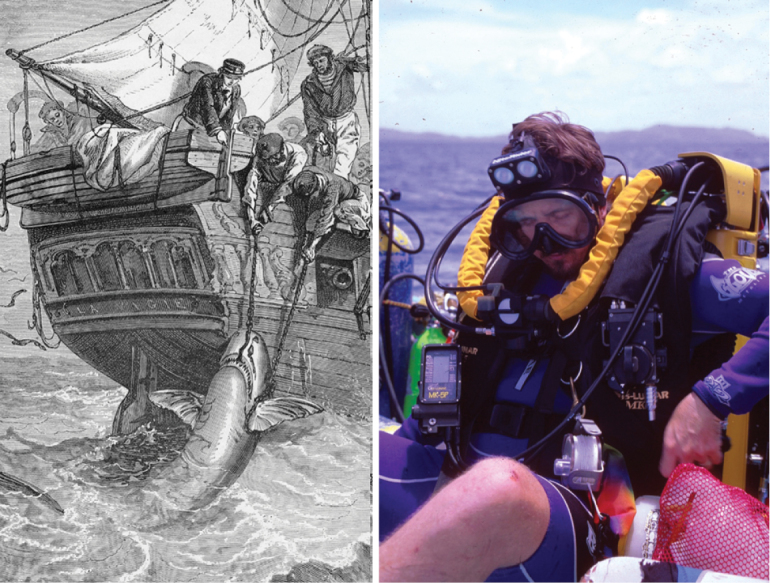
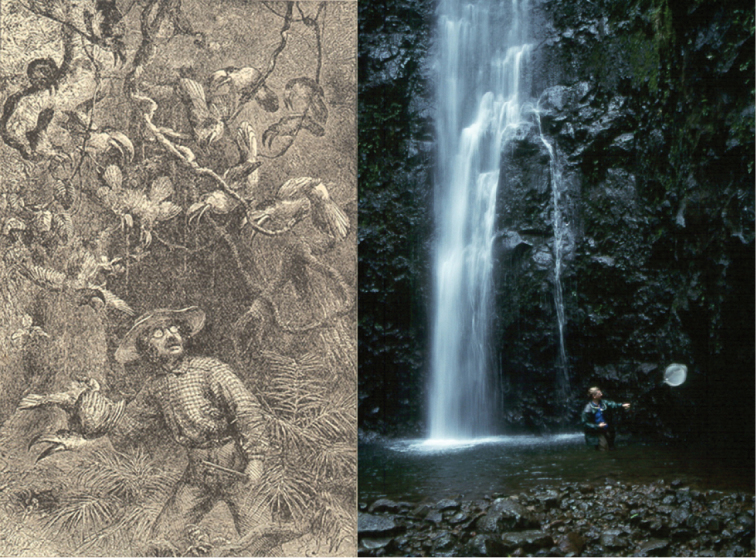
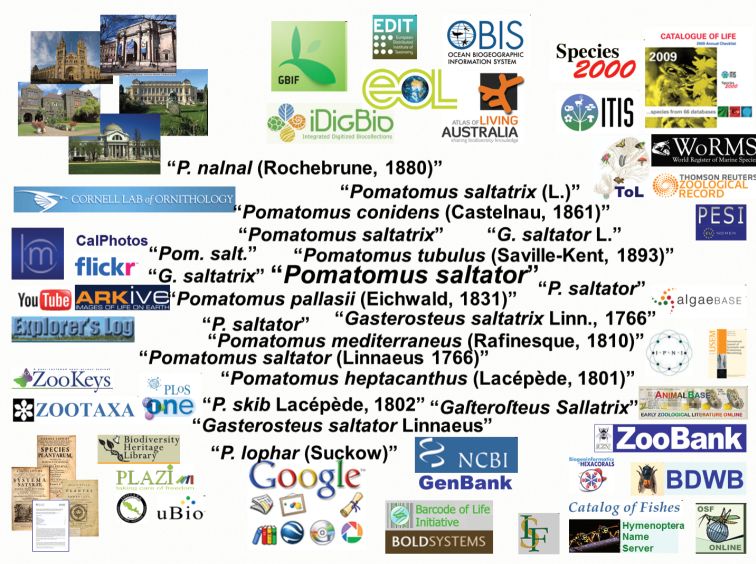
For more than 250 years, the taxonomic enterprise has remained almost unchanged. Certainly, the tools of the trade have improved: months-long journeys aboard sailing ships have been reduced to hours aboard jet airplanes; advanced technology allows humans to access environments that were once utterly inaccessible; GPS has replaced crude maps; digital hi-resolution imagery provides far more accurate renderings of organisms that even the best commissioned artists of a century ago; and primitive candle-lit microscopes have been replaced by an array of technologies ranging from scanning electron microscopy to DNA sequencing. But the basic paradigm remains the same. Perhaps the most revolutionary change of all - which we are still in the midst of, and which has not yet been fully realized - is the means by which taxonomists manage and communicate the information of their trade. The rapid evolution in recent decades of computer database management software, and of information dissemination via the Internet, have both dramatically improved the potential for streamlining the entire taxonomic process. Unfortunately, the potential still largely exceeds the reality. The vast majority of taxonomic information is either not yet digitized, or digitized in a form that does not allow direct and easy access. Moreover, the information that is easily accessed in digital form is not yet seamlessly interconnected. In an effort to bring reality closer to potential, a loose affiliation of major taxonomic resources, including GBIF, the Encyclopedia of Life, NBII, Catalog of Life, ITIS, IPNI, ICZN, Index Fungorum, and many others have been crafting a "Global Names Architecture" (GNA). The intention of the GNA is not to replace any of the existing taxonomic data initiatives, but rather to serve as a dynamic index to interconnect them in a way that streamlines the entire taxonomic enterprise: from gathering specimens in the field, to publication of new taxa and related data.
Keywords: Biodiversity Data; Carl Linnaeus; Charles Davies Sherborn; Global Names Index; Global Names Usage Bank; Taxonomy; ZooBank Biodiversity Library.
Figures
References
-
- Bates HW. (1863) The naturalist on the River Amazons, a record of adventures, habits of animals, sketches of Brazilian and Indian life and aspects of nature under the Equator during eleven years of travel (volume 1). J. Murray, London: [1892], 351 pp. doi: 10.5962/bhl.title.21335 - DOI
-
- Bean TH. (1903) Catalogue of the fishes of New York. Bulletin New York State Museum 60: 1–784. doi: 10.5962/bhl.title.23134 - DOI
-
- Chapman AD. (2009) Numbers of Living Species in Australia and the World (2nd edition). Australian Biological Resources Study, Australia: http://www.environment.gov.au/biodiversity/abrs/publications/other/speci...
-
- Chmielewski JG, Krayesky D. (2013) General Botany Laboratory Manual. AuthorHouse, Bloomington, Indiana, 300 pp.
-
- Costello MJ, Wilson S, Houlding B. (2012) Predicting total global species richness using rates of species description and estimates of taxonomic effort. Systematic Biology 61(5): 871–883. doi: 10.1093/sysbio/syr080 - DOI - PubMed
LinkOut - more resources
Full Text Sources
Other Literature Sources