


Effectiveness of Mindfulness-Based Group Therapy Compared to the Usual Opioid Dependence Treatment
- PMID: 26877751
- PMCID: PMC4749687
Effectiveness of Mindfulness-Based Group Therapy Compared to the Usual Opioid Dependence Treatment
Abstract
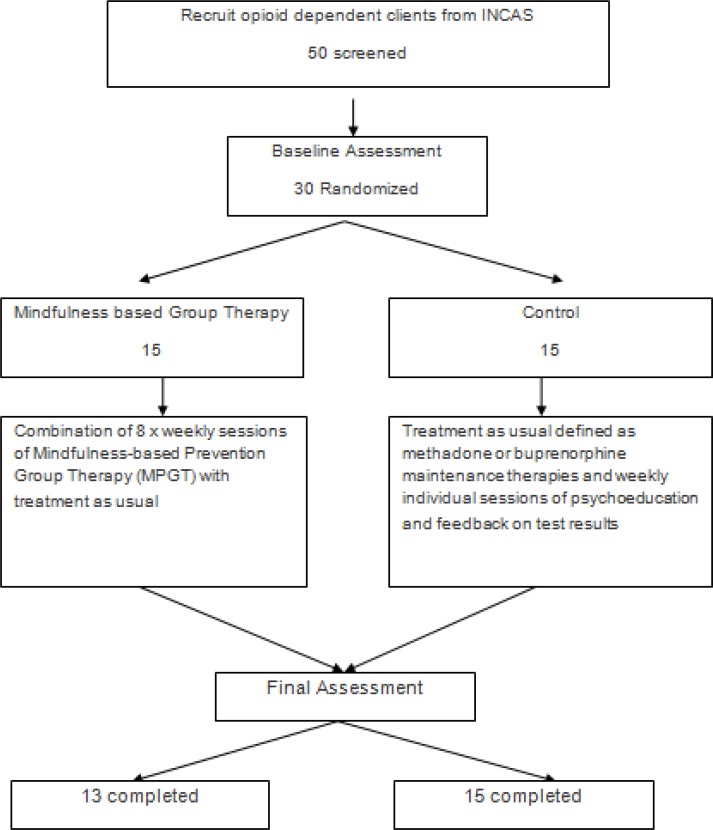
Objective: This study investigated the effectiveness of mindfulness-based group therapy (MBGT) compared to the usual opioid dependence treatment (TAU).Thirty outpatients meeting the DSM-IV-TR criteria for opioid dependence from Iranian National Center for Addiction Studies (INCAS) were randomly assigned into experimental (Mindfulness-Based Group Therapy) and control groups (the Usual Treatment).The experimental group undertook eight weeks of intervention, but the control group received the usual treatment according to the INCAS program.
Methods: The Five Factor Mindfulness Questionnaire (FFMQ) and the Addiction Sevier Index (ASI) were administered at pre-treatment and post-treatment assessment periods. Thirteen patients from the experimental group and 15 from the control group completed post-test assessments.
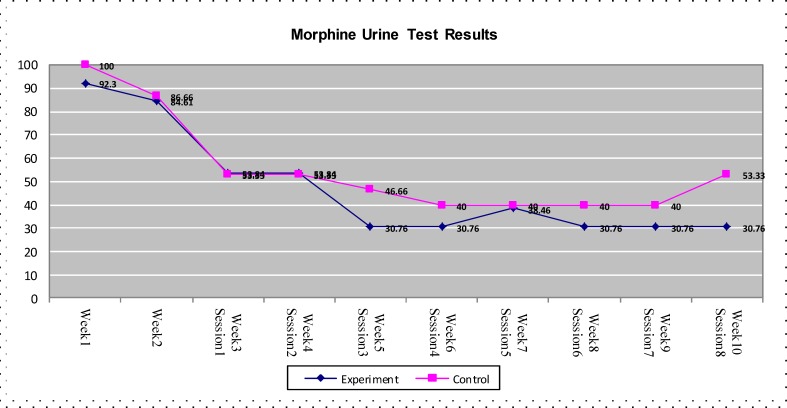
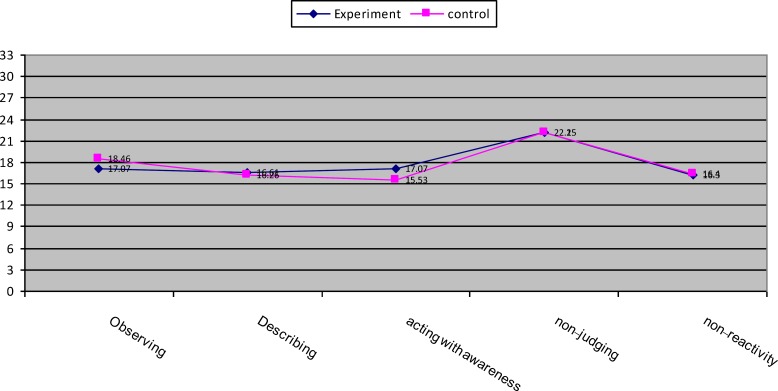
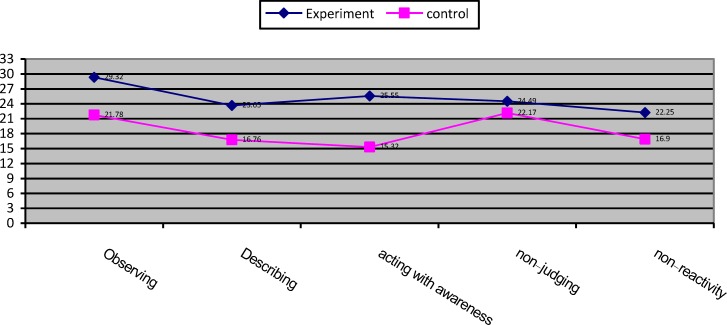
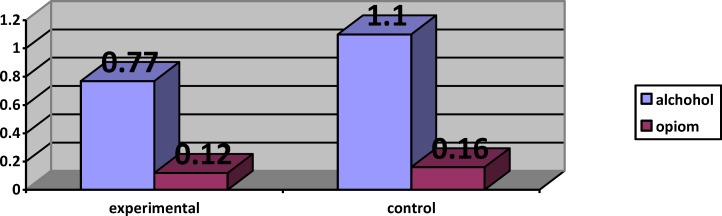
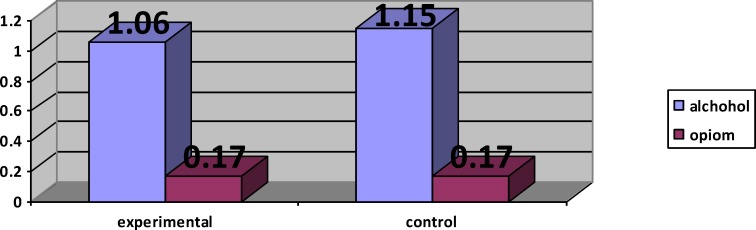
Results: The results of MANCOVA revealed an increase in mean scores in observing, describing, acting with awareness, non-judging, non-reacting, and decrease in mean scores of alcohol and opium in MBGT patient group.
Conclusion: The effectiveness of MBGT, compared to the usual treatment, was discussed in this paper as a selective protocol in the health care setting for substance use disorders.
Keywords: Group Therapy; Mindfulness; Opioid.
Figures
References
-
- Atef Vahid MK, Zarei Doust E, Panaghi L, Moghaddasi S. Preliminary validation of addiction severity in adult addicts of Tehran [unpublished] Research Plan Report of Tehran Medical Sciences. Addiction Studies Center.
-
- Baer RA, Smith GT, Hopkins J, Krietemeyer J, Toney L. Using self-report assessment methods to explore facets of mindfulness. Assessment. 2006;13:27–45. [PubMed: 16443717] - PubMed
-
- Breslin FC, Zack M, McMain S. An Information-Processing Analysis of Mindfulness: Implications for Relapse Prevention in the Treatment of Substance Abuse. Clinical Psychology: Science and Practice. 2002;9:275–299.
LinkOut - more resources
Full Text Sources