


A Social-Ecological, Process-Oriented Perspective on Political Violence and Child Development
- PMID: 26877765
- PMCID: PMC4749157
- DOI: 10.1111/cdep.12067
A Social-Ecological, Process-Oriented Perspective on Political Violence and Child Development
Abstract
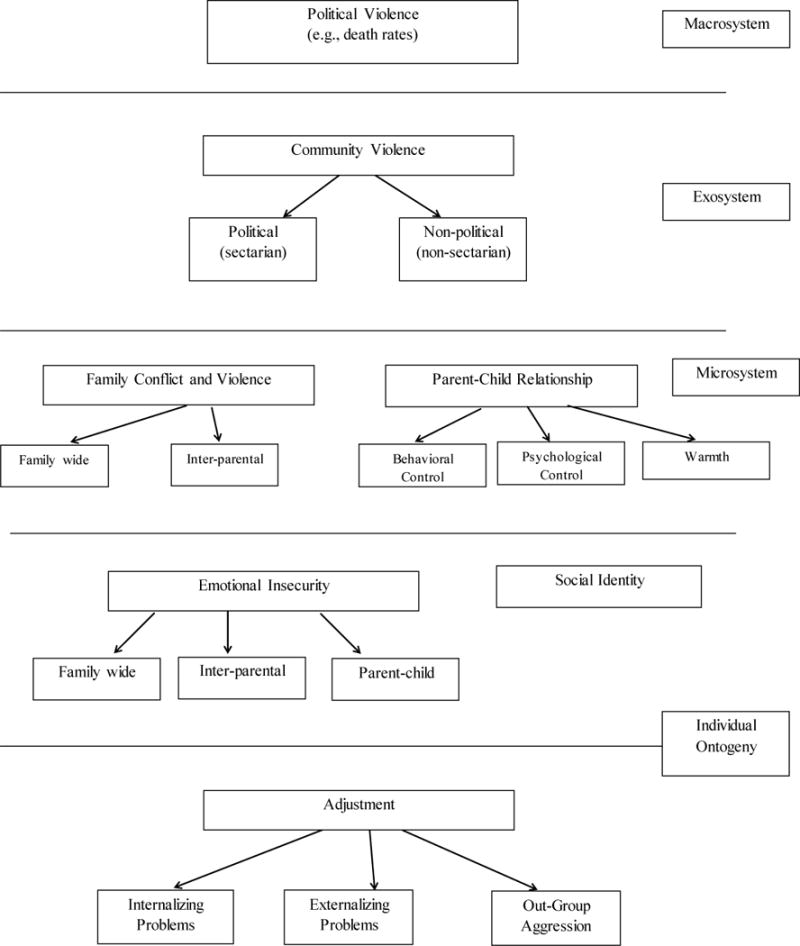
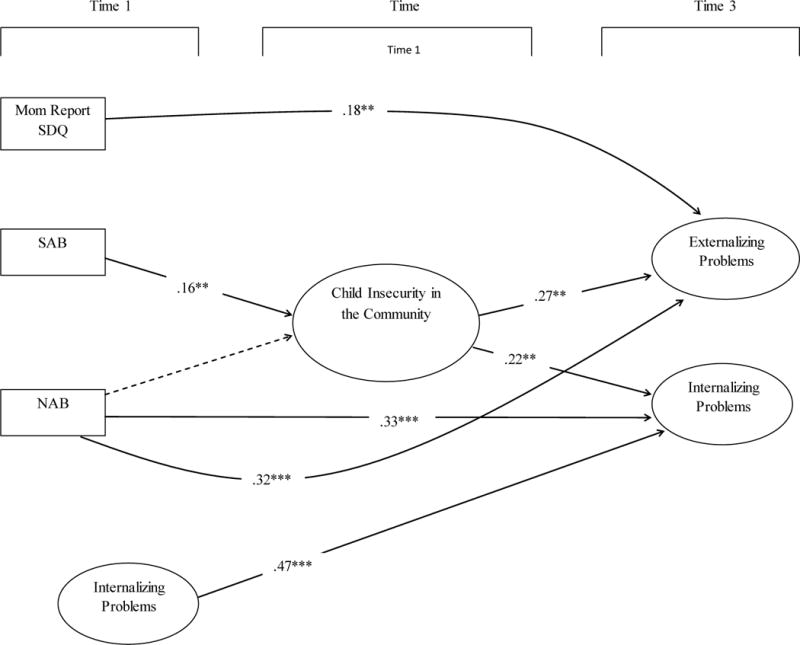
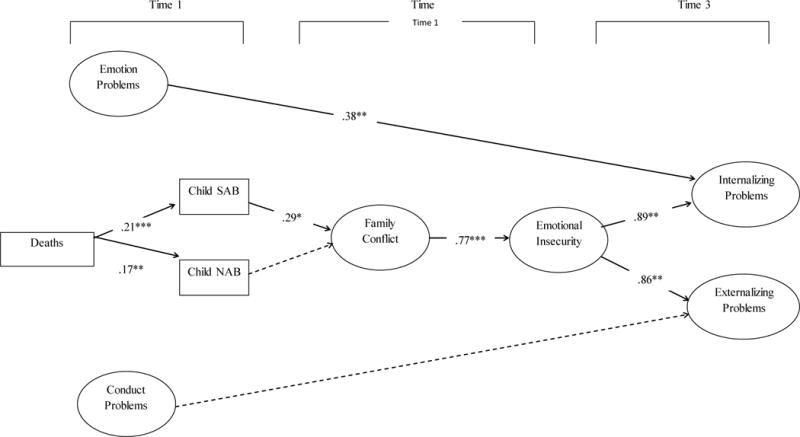
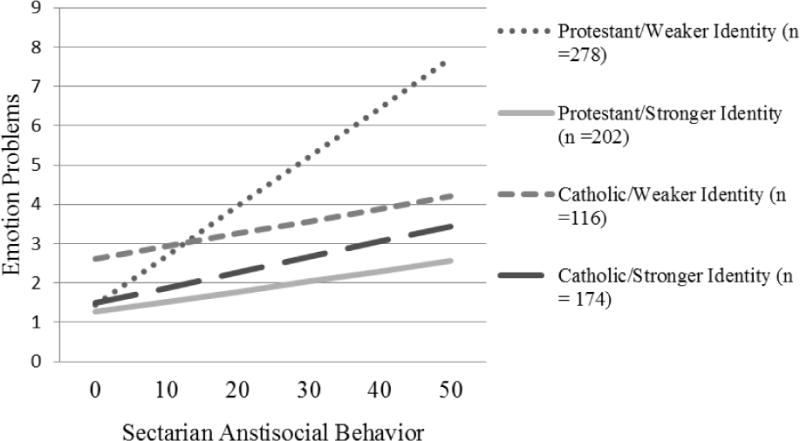
Youths' risk for adjustment problems in contexts of political violence is well-documented. However, outcomes vary widely, with many children functioning well. Accordingly, moving beyond further documenting the risk for many negative outcomes associated with living in contexts of political violence, a second generation of research is moving towards identifying the mechanisms and conditions that contribute to children's adjustment. Increasing support is emerging for understanding effects on children in terms of changes in the social contexts in which children live, and in the psychological processes engaged by these social ecologies. Selected themes are considered, including (a) the need to study multiple levels of the social ecology, (b) differentiating between the effects of exposure to contexts of political versus non-political violence, and (c) theories about explanatory processes. Selected research pertinent to these directions is reviewed, including findings from a six-wave longitudinal study on political violence and children in Northern Ireland.
Keywords: Child adjustment; Community violence; Emotional security; Family conflict; Political violence; Social ecological model.
Figures
References
-
- Barber BK. Annual research review: The experience of youth with political conflict—Challenging notions of resilience and encouraging research refinement. Journal of Child Psychology and Psychiatry. 2013;54:461–473. - PubMed
-
- Bar-Tal D, Jacobson D. A psychological perspective on security. Applied Psychology: An International Review. 1998;47(1):59–71.
-
- Bleich A, Gelkopf M, Solomon Z. Exposure to terrorism, stress-related mental health symptoms, and coping behaviors among a nationally representative sample in Israel. JAMA: Journal of the American Medical Association. 2003;290:612–620. - PubMed
Grants and funding
LinkOut - more resources
Full Text Sources
Other Literature Sources