


Blocking mitochondrial calcium release in Schwann cells prevents demyelinating neuropathies
- PMID: 26878172
- PMCID: PMC4767343
- DOI: 10.1172/JCI84505
Blocking mitochondrial calcium release in Schwann cells prevents demyelinating neuropathies
Erratum in
-
Blocking mitochondrial calcium release in Schwann cells prevents demyelinating neuropathies.J Clin Invest. 2016 Apr 1;126(4):1605. doi: 10.1172/JCI87203. Epub 2016 Mar 7. J Clin Invest. 2016. PMID: 26950425 Free PMC article. No abstract available.
Retraction in
-
Blocking mitochondrial calcium release in Schwann cells prevents demyelinating neuropathies.J Clin Invest. 2017 Mar 1;127(3):1115. doi: 10.1172/JCI92100. Epub 2017 Mar 1. J Clin Invest. 2017. PMID: 28248206 Free PMC article. No abstract available.
Expression of concern in
-
Blocking mitochondrial calcium release in Schwann cells prevents demyelinating neuropathies.J Clin Invest. 2016 Jul 1;126(7):2773. doi: 10.1172/JCI88179. Epub 2016 Jul 1. J Clin Invest. 2016. PMID: 27111236 Free PMC article. No abstract available.
Abstract
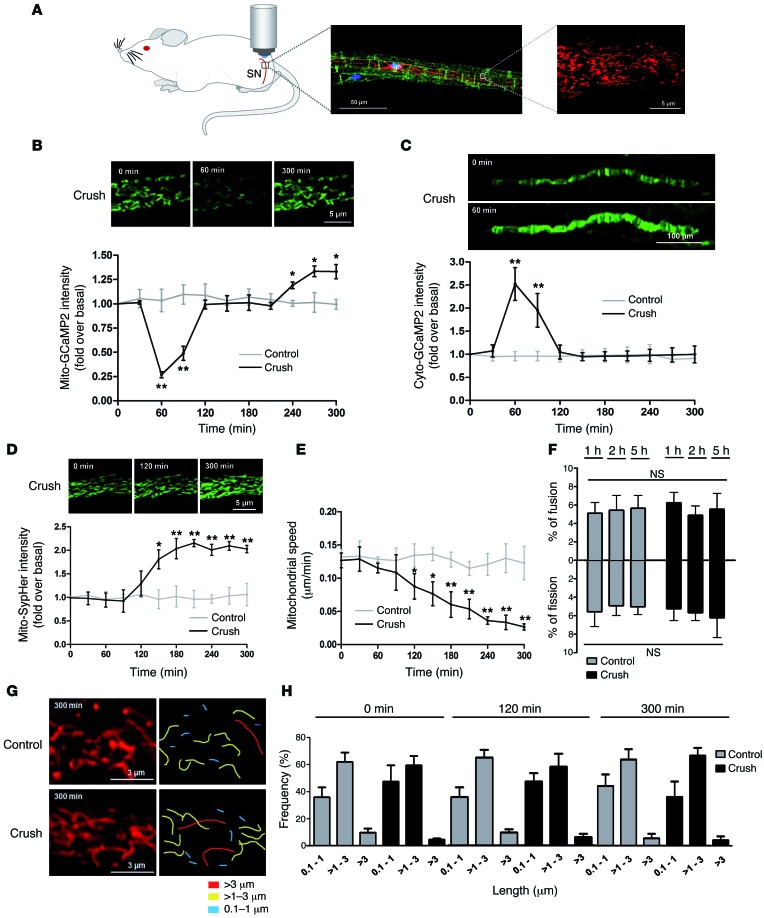
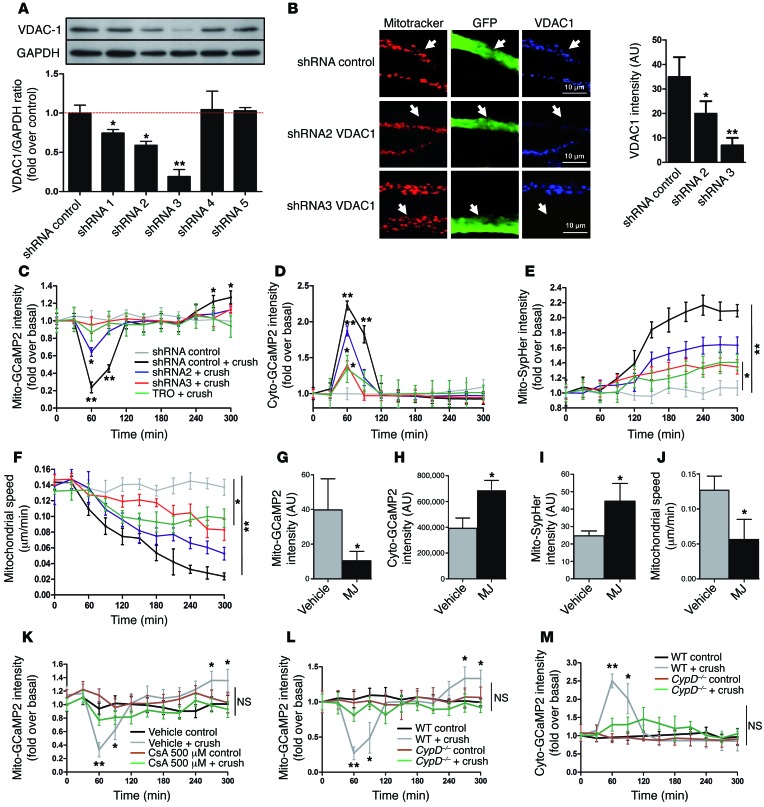
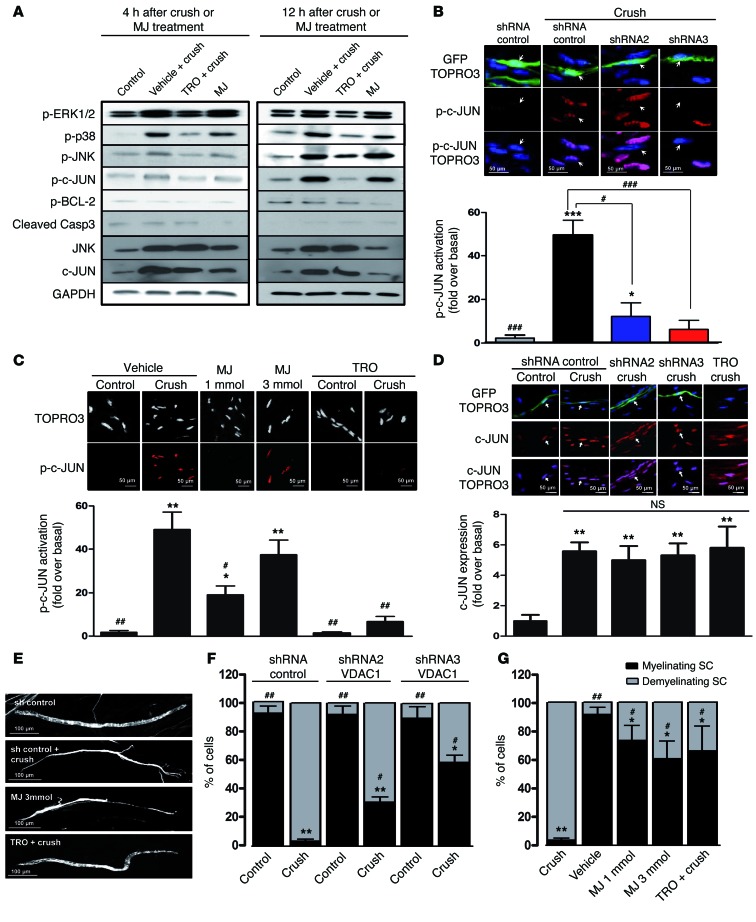
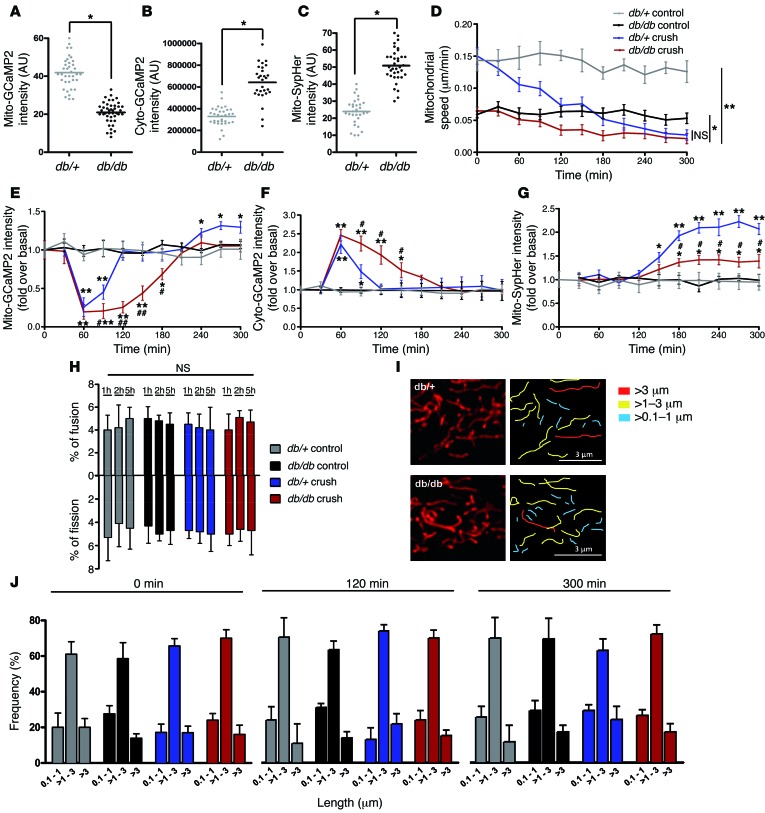
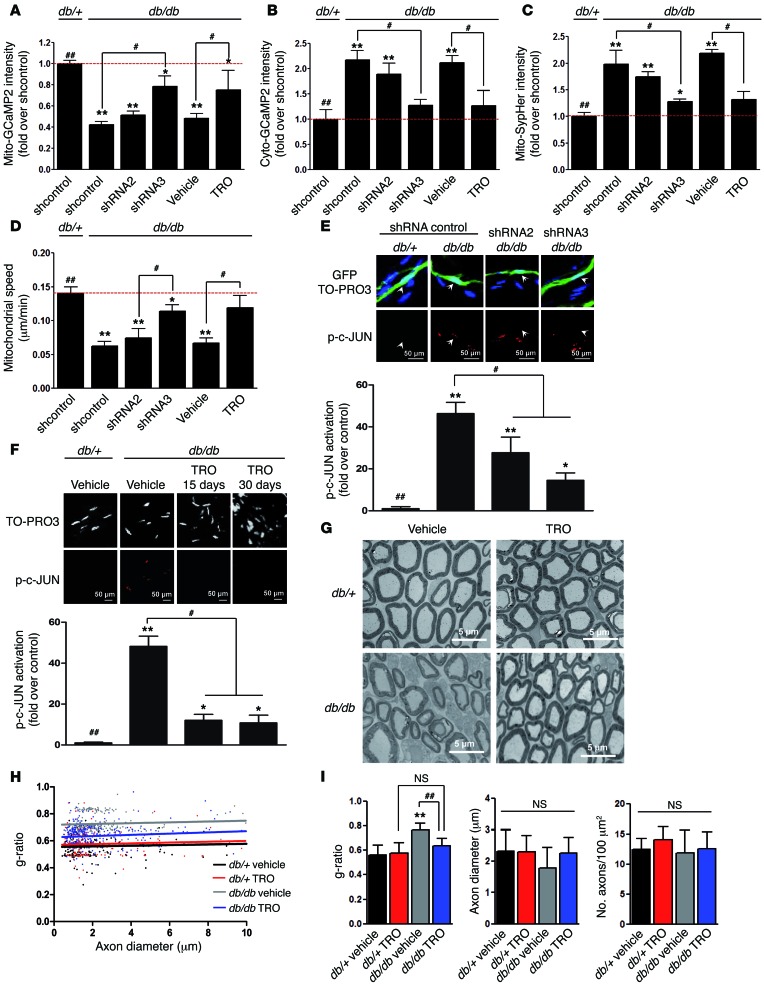
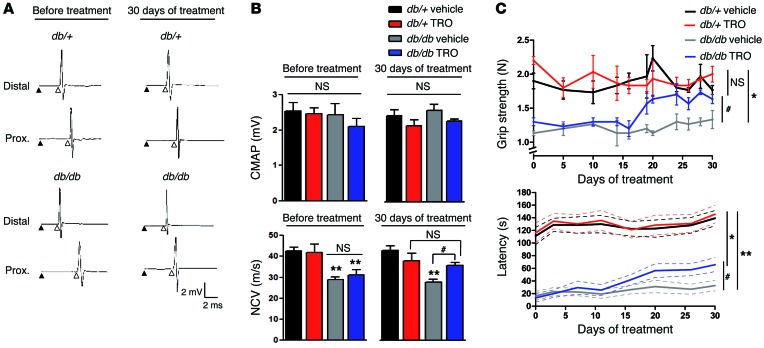
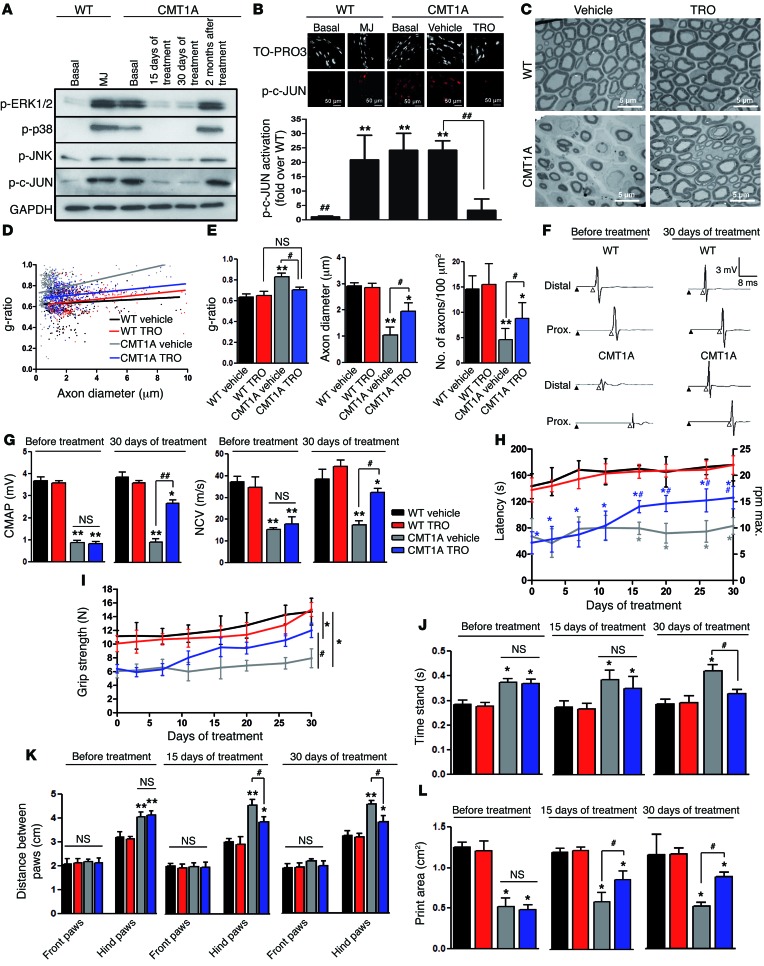
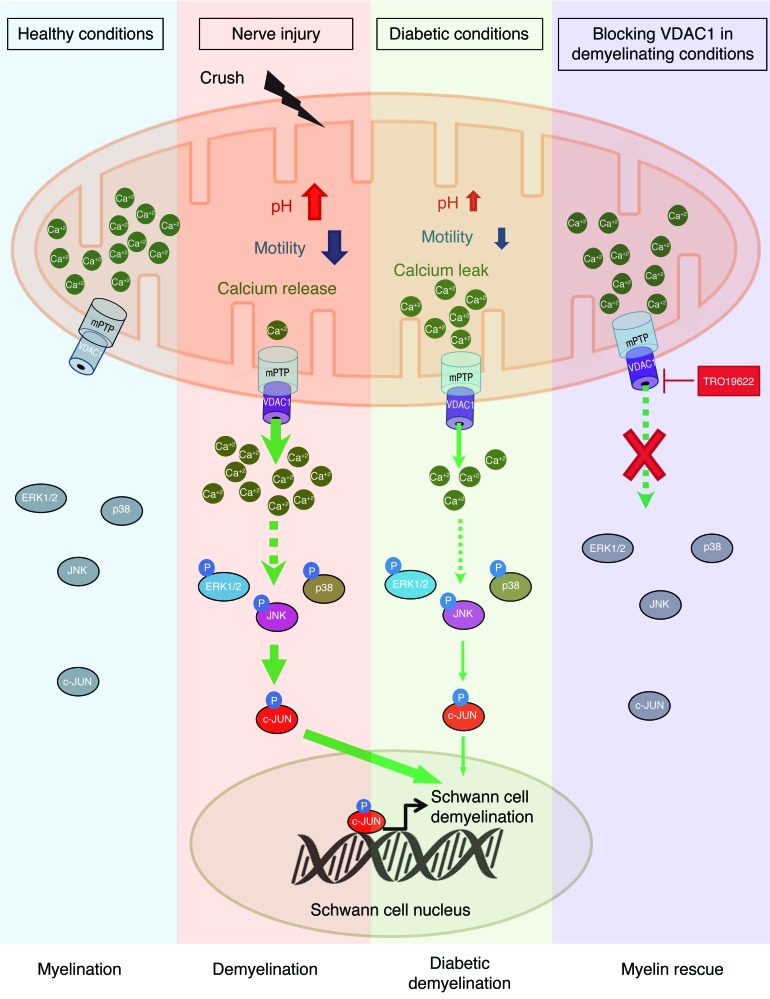
Schwann cells produce myelin sheath around peripheral nerve axons. Myelination is critical for rapid propagation of action potentials, as illustrated by the large number of acquired and hereditary peripheral neuropathies, such as diabetic neuropathy or Charcot-Marie-Tooth diseases, that are commonly associated with a process of demyelination. However, the early molecular events that trigger the demyelination program in these diseases remain unknown. Here, we used virally delivered fluorescent probes and in vivo time-lapse imaging in a mouse model of demyelination to investigate the underlying mechanisms of the demyelination process. We demonstrated that mitochondrial calcium released by voltage-dependent anion channel 1 (VDAC1) after sciatic nerve injury triggers Schwann cell demyelination via ERK1/2, p38, JNK, and c-JUN activation. In diabetic mice, VDAC1 activity was altered, resulting in a mitochondrial calcium leak in Schwann cell cytoplasm, thereby priming the cell for demyelination. Moreover, reduction of mitochondrial calcium release, either by shRNA-mediated VDAC1 silencing or pharmacological inhibition, prevented demyelination, leading to nerve conduction and neuromuscular performance recovery in rodent models of diabetic neuropathy and Charcot-Marie-Tooth diseases. Therefore, this study identifies mitochondria as the early key factor in the molecular mechanism of peripheral demyelination and opens a potential opportunity for the treatment of demyelinating peripheral neuropathies.
Figures
References
Publication types
MeSH terms
Substances
LinkOut - more resources
Full Text Sources
Other Literature Sources
Molecular Biology Databases
Research Materials
Miscellaneous
