


Pleistocene divergence across a mountain range and the influence of selection on mitogenome evolution in threatened Australian freshwater cod species
- PMID: 26883183
- PMCID: PMC4868273
- DOI: 10.1038/hdy.2016.8
Pleistocene divergence across a mountain range and the influence of selection on mitogenome evolution in threatened Australian freshwater cod species
Abstract
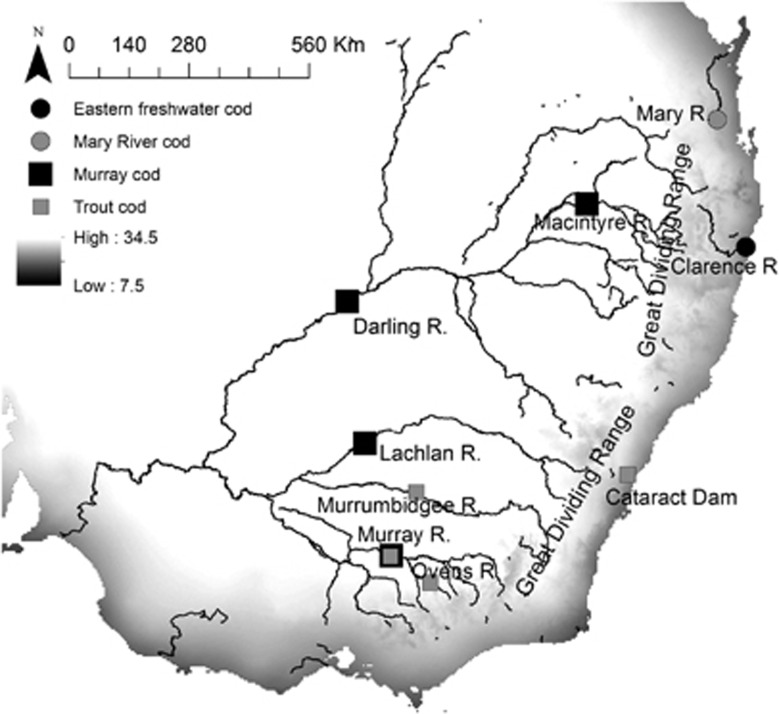
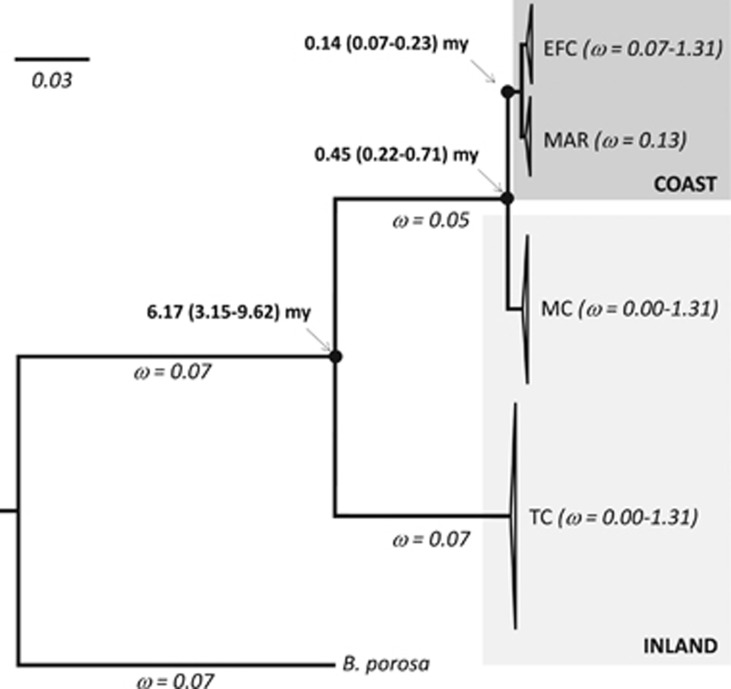
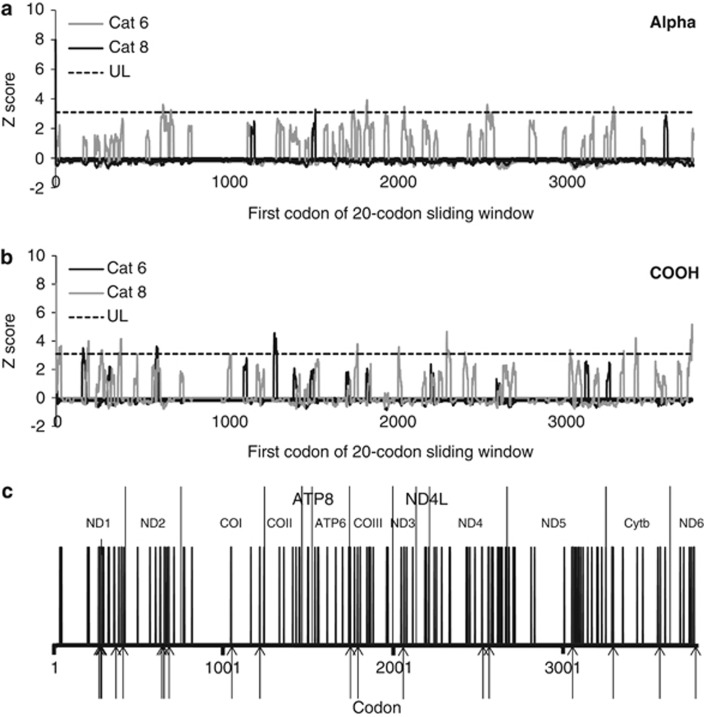
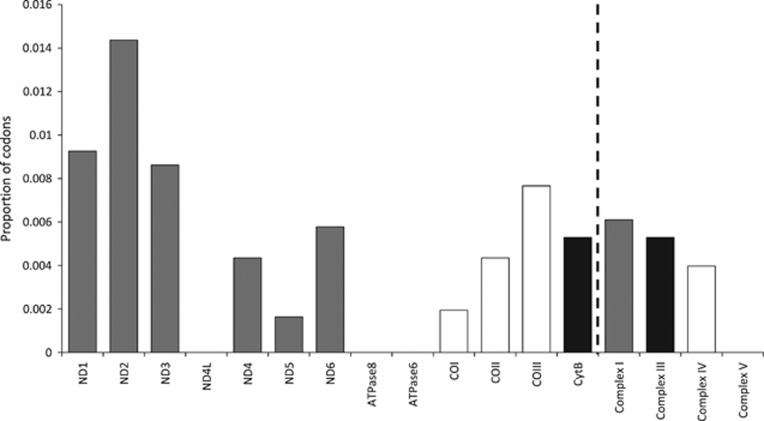
Climatic differences across a taxon's range may be associated with specific bioenergetic demands and may result in genetics-based metabolic adaptation, particularly in aquatic ectothermic organisms that rely on heat exchange with the environment to regulate key physiological processes. Extending down the east coast of Australia, the Great Dividing Range (GDR) has a strong influence on climate and the evolutionary history of freshwater fish species. Despite the GDR acting as a strong contemporary barrier to fish movement, many species, and species with shared ancestries, are found on both sides of the GDR, indicative of historical dispersal events. We sequenced complete mitogenomes from the four extant species of the freshwater cod genus Maccullochella, two of which occur on the semi-arid, inland side of the GDR, and two on the mesic coastal side. We constructed a dated phylogeny and explored the relative influences of purifying and positive selection in the evolution of mitogenome divergence among species. Results supported mid- to late-Pleistocene divergence of Maccullochella across the GDR (220-710 thousand years ago), bringing forward previously reported dates. Against a background of pervasive purifying selection, we detected potentially functionally relevant fixed amino acid differences across the GDR. Although many amino acid differences between inland and coastal species may have become fixed under relaxed purifying selection in coastal environments rather than positive selection, there was evidence of episodic positive selection acting on specific codons in the Mary River coastal lineage, which has consistently experienced the warmest and least extreme climate in the genus.
Figures
References
-
- Avise JC. (2000) Phylogeography: the History and Formation of Species. Harvard University Press: Cambridge, MA, USA..
-
- Burridge CP, Craw D, Fletcher D, Waters JM. (2008). Geological dates and molecular rates: fish DNA sheds light on time dependency. Mol Biol Evol 25: 624–633. - PubMed
-
- Byrne M, Steane DA, Joseph L, Yeates DK, Jordan GJ, Crayn D et al. (2011). Decline of a biome: evolution, contraction, fragmentation, extinction and invasion of the Australian mesic zone biota. Journal of Biogeography 38: 1635–1656.
-
- Caissie D. (2006). The thermal regime of rivers: a review. Freshwater Biology 51: 1389–1406.
-
- Chevreux B, Wetter T, Suhai S. (1999). Genome sequence assembly using trace signals and additional sequence information. Computer Science and Biology: Proceedings of the German Conference on Bioinformatics 99: 45–56.
Publication types
MeSH terms
Substances
LinkOut - more resources
Full Text Sources
Other Literature Sources
