. 2016 Feb 18;11(2):e0149489.
doi: 10.1371/journal.pone.0149489. eCollection 2016.

Optimizing Mouse Surgery with Online Rectal Temperature Monitoring and Preoperative Heat Supply. Effects on Post-Ischemic Acute Kidney Injury

Affiliations

Optimizing Mouse Surgery with Online Rectal Temperature Monitoring and Preoperative Heat Supply. Effects on Post-Ischemic Acute Kidney Injury

Julian A Marschner et al. PLoS One. .

Abstract

Body temperature affects outcomes of tissue injury. We hypothesized that online body core temperature recording and selective interventions help to standardize peri-interventional temperature control and the reliability of outcomes in experimental renal ischemia reperfusion injury (IRI). We recorded core temperature in up to seven mice in parallel using a Thermes USB recorder and ret-3-iso rectal probes with three different protocols. Setup A: Heating pad during ischemia time; Setup B: Heating pad from incision to wound closure; Setup C: A ventilated heating chamber before surgery and during ischemia time with surgeries performed on a heating pad. Temperature profile recording displayed significant declines upon installing anesthesia. The profile of the baseline experimental setup A revealed that <1% of the temperature readings were within the target range of 36.5 to 38.5°C. Setup B and C increased the target range readings to 34.6 ± 28.0% and 99.3 ± 1.5%, respectively. Setup C significantly increased S3 tubular necrosis, neutrophil influx, and mRNA expression of kidney injury markers. In addition, using setup C different ischemia times generated a linear correlation with acute tubular necrosis parameters at a low variability, which further correlated with the degree of kidney atrophy 5 weeks after surgery. Changing temperature control setup A to C was equivalent to 10 minutes more ischemia time. We conclude that body temperature drops quickly in mice upon initiating anesthesia. Immediate heat supply, e.g. in a ventilated heating chamber, and online core temperature monitoring can help to standardize and optimize experimental outcomes.


Conflict of interest statement

Competing Interests: The authors have declared that no competing interests exist.

Figures

Fig 1
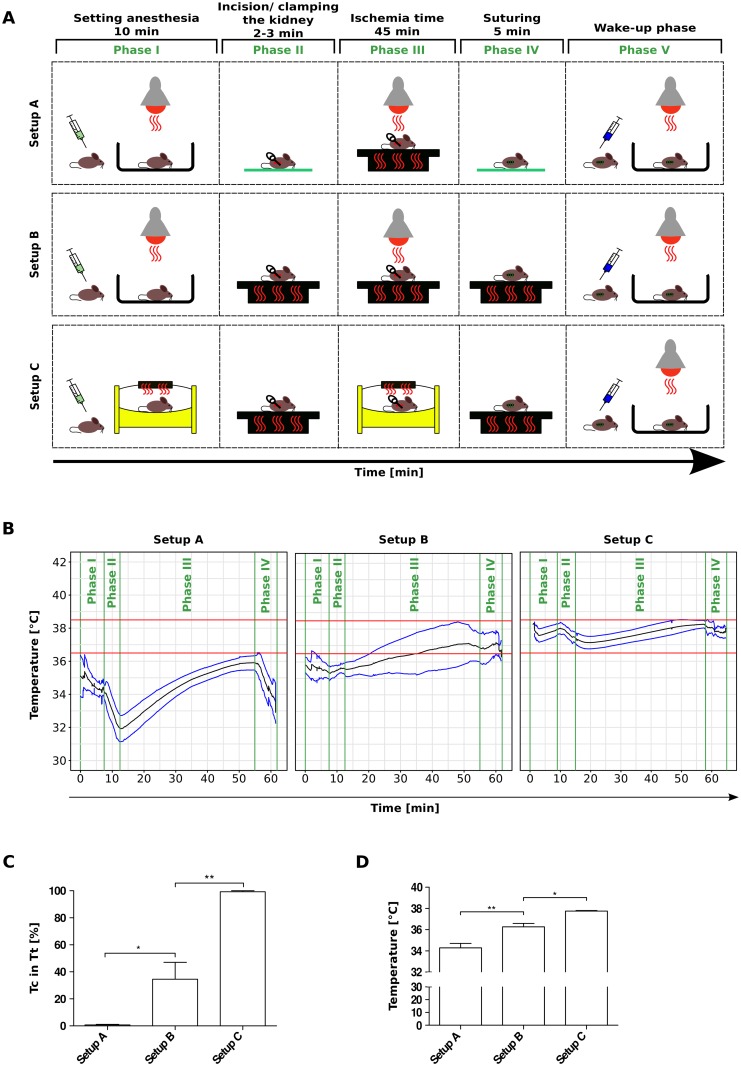
Fig 1. Stepwise optimization of temperature control during experimental IRI.
Male C57BL/6N mice, 6–8 weeks of age, underwent unilateral IRI under different temperature control settings. (A) Setup A provides minor heat supply during anesthesia and ischemia time. Setup B extends the former setting by providing heat also during incision/ clamping and suturing via a heating plate. Setup C further replaces the temperature supply elements in the phases of anesthesia and ischemia by an egg breeding device. (B) For each of the setups described in (A) rectal temperature was recorded (ORTR) for each individual mouse, that underwent IRI; the data are presented as mean values (black line) and mean ± SD (blue lines). The temperature target range (Tt) is visualized by two red lines (upper and lower limit). (C) ORTR derived body core temperature (Tc) within the margins of Tt [%] calculated from the data presented in (B), with setup A, B and C giving values of 0.7 ± 1.1%, 34.6 ± 28.0% and 99.3 ± 1.5%, respectively. (D) Mean Tc [°C] (including phase I until phase IV) was calculated from the data presented in (B) with setup A, B and C giving values of 34.3 ± 0.8°C, 36.3 ± 0.7°C, 37.8 ± 0.1°C. Data are expressed as mean ± SEM derived from n ≥ 5.
Fig 2
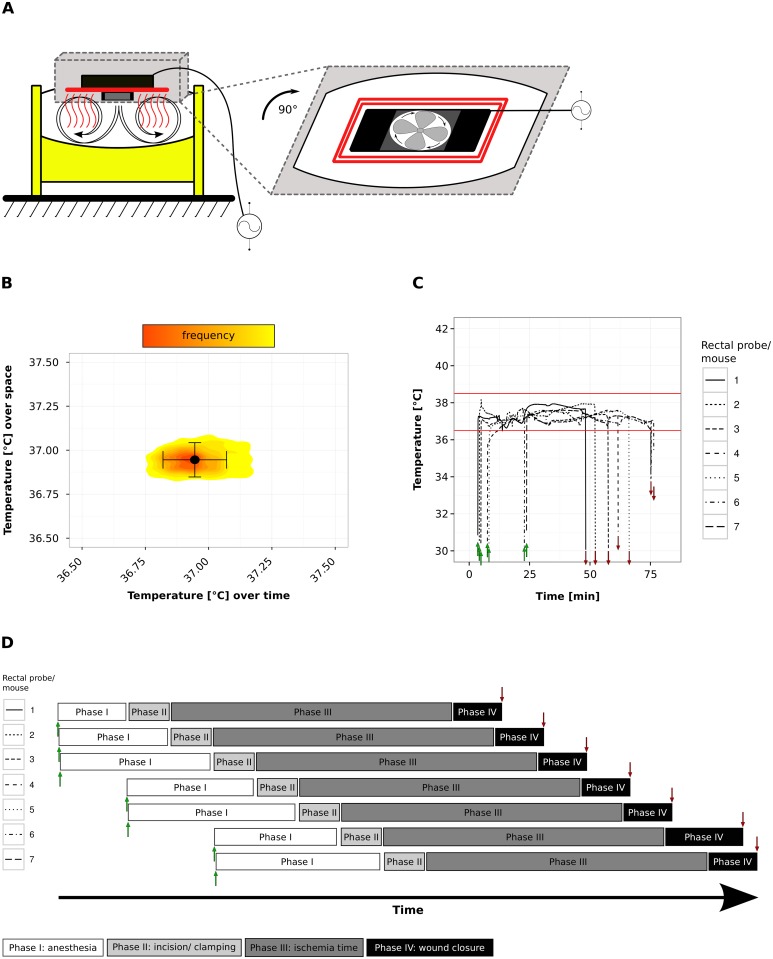
Fig 2. A ventilated heating chamber optimizes body temperature profiles and facilitates the surgery’s work-flow.
Schematic representation and temperature profile of the Octagon 20 Advance heating chamber (A and B): The Octagon 20 Advance (A) consists of a solid bottom (yellow) and a transparent upper part, which allows visual control during phase I and II of surgery. The electrical temperature control (black) and the heating element (red) are mounted on top of the chamber. The generated heat is distributed by a small ventilator. (B) The Octagon 20 Advance was set to 37.0°C and continuous temperature recording were conducted for 1 hour at 7 positions inside the breeding device. Temperatures recorded over time and space are plotted on the x- and y-axis, respectively. The black dot represents the overall mean value, the horizontal error bar the standard deviation over time and the vertical error bar the standard deviation over space. The heat-map in the background displays the distribution pattern of recorded temperature values in time and space. Setup C allows parallel surgery in up to 7 mice (C and D): Panel (C) displays a complete, representative set of ORTR generated raw data from 7 mice, where the green arrows indicate the insertion of the probe into the mouse (start of phase I) and where red arrows indicate the end of surgery (end of phase IV). Panel (D) illustrates the work-flow for the 7 parallel surgeries shown in (C). During phase III (ischemia time) of mouse no. 1 a single trained person is able to complete phase II for mice no. 2–7. Anesthetizing 2–3 mice simultaneously in phase I assured a sufficient scope of action for maintaining a constant work-flow, as sequence of surgery can be adapted to the individual body core temperature of every single mouse, which was standardized to be 37.5°C before staring phase II. Therefore, durations of phase I vary. In this specific example phase IV of mouse no. 6 was prolonged by issues during wound closure, which lead to the discontinuity of the steady sequence in surgery work-flow.
Fig 3
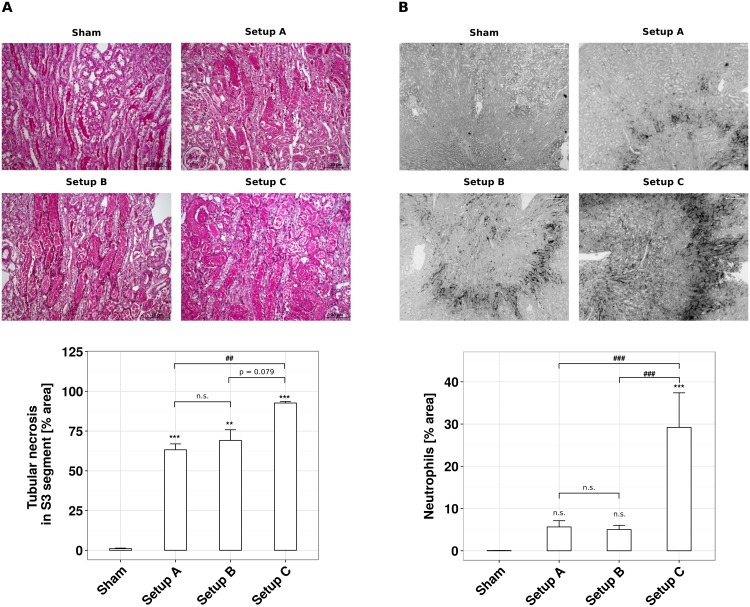
Fig 3. Optimization of temperature control affects tubular necrosis and neutrophil infiltration.
Male C57BL/6N mice, 6–8 weeks of age, underwent unilateral ischemia for 45 minutes and subsequent reperfusion for 24 hours using setup A, B and C, respectively. (A) Representative PAS-stained pictures of sham-operated and ischemic kidney sections are shown in 100-fold magnification. The necrotic area of the S3 segment [%] is presented as mean ± SEM, derived from n = 5. (B) Representative Ly-6B.2-stained pictures of sham-operated and ischemic kidney sections are shown in 20-fold magnification. Ly-6B.2-positive events are assessed from 50-fold magnified images and normalized to the entire kidney section area, expressed as mean ± SEM, derived from n = 5.
Fig 4
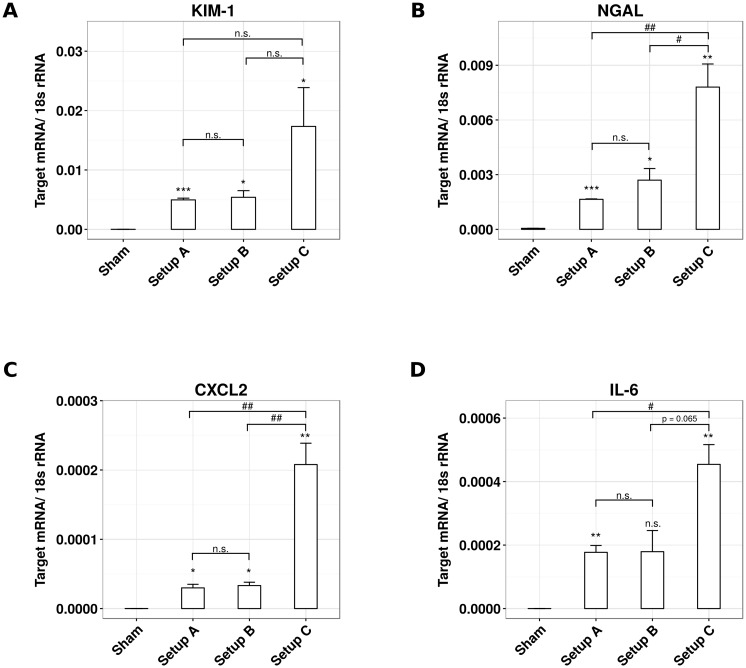
Fig 4. Optimization of temperature control affects mRNA expression levels of pro-inflammatory and kidney injury markers.
Male C57BL/6N mice, 6–8 weeks of age, underwent unilateral ischemia for 45 minutes and subsequent reperfusion for 24 hours using setup A, B and C, respectively. mRNA expression levels were assessed by reverse transcription and subsequent qRT-PCR for (A) Kim-1, (B) Ngal, (C) Cxcl-2 and (D) Il-6. Data are calculated as target gene expression normalized to the housekeeping gene 18s and presented as mean ± SEM, derived from n ≥ 5.
Fig 5
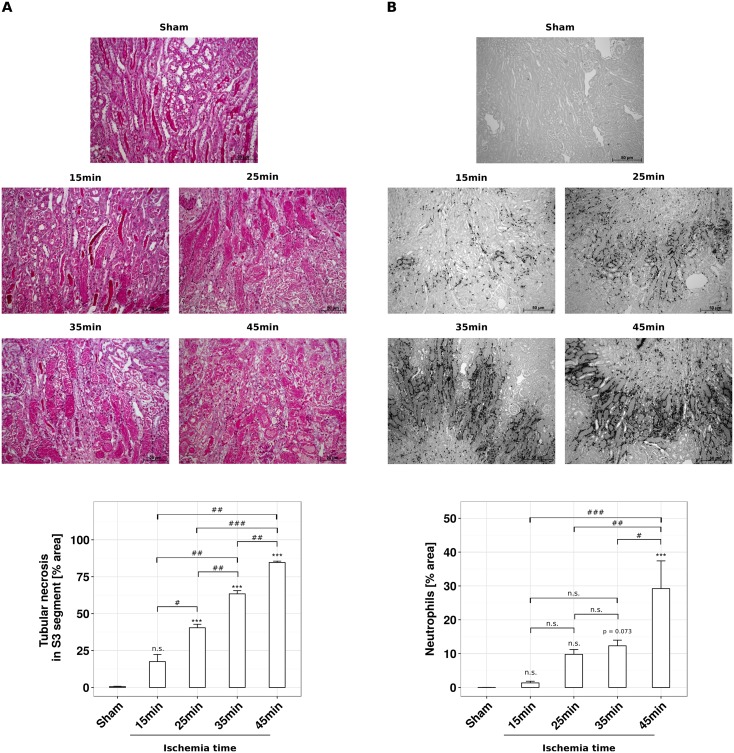
Fig 5. Heating chamber-based optimization of temperature control enables precise modulation of tubular injury and neutrophil infiltration at different ischemia times.
Male C57BL/6N mice, 6–8 weeks of age, underwent sham surgery or unilateral ischemia for 15, 25, 35 or 45 minutes and subsequent reperfusion for 24 hours using setup C. (A) Representative PAS-stained pictures of sham-operated and ischemic kidney sections are shown at 100-fold magnification. The necrotic area of the S3 segment [%] is presented as mean ± SEM, derived from n = 5. (B) Representative Ly-6B.2-stained pictures of sham-operated and ischemic kidney sections are shown at 20-fold magnification. Ly-6B.2-positive events are assessed from 50-fold magnified images and normalized to whole kidney section area, expressed as mean ± SEM, derived from n = 5.
Fig 6
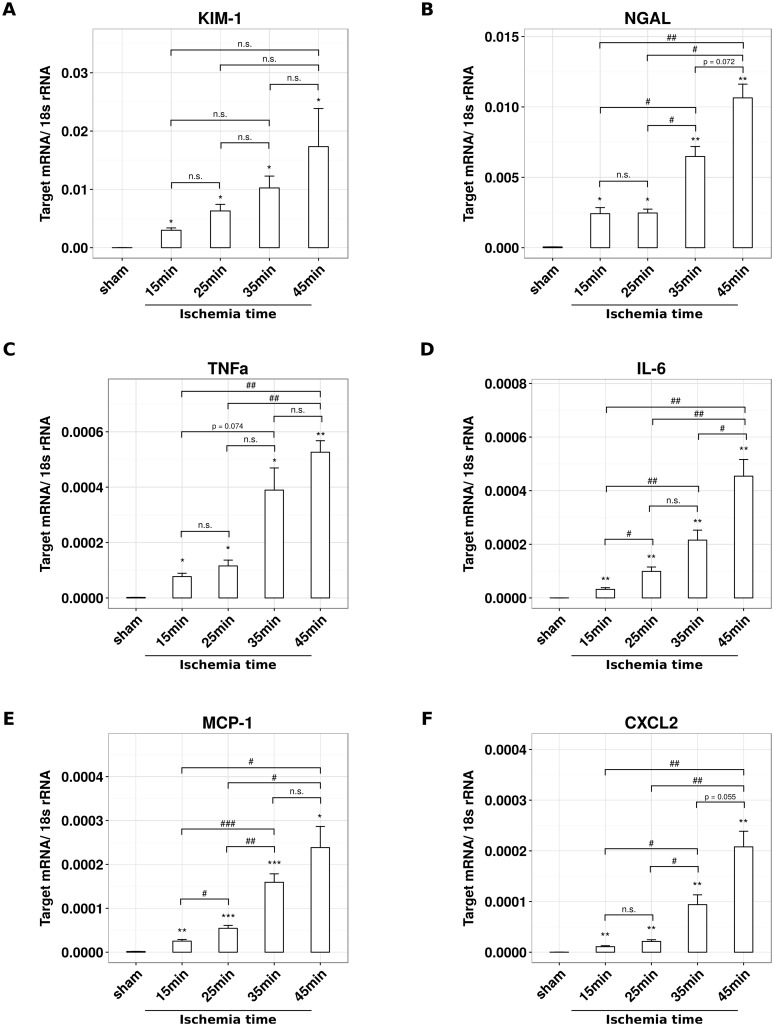
Fig 6. Heating chamber-based optimization of temperature control enables precise modulation of kidney injury and inflammatory marker expression by changing ischemia time.
Male C57BL/6N mice, 6–8 weeks of age, underwent sham surgery or unilateral ischemia for 15, 25, 35 or 45 minutes ischemia and subsequent reperfusion for 24 hours using setup C. mRNA expression levels were assessed by reverse transcription and subsequent qRT-PCR for (A) Kim-1, (B) Ngal, (C) TNFα, (D) Il-6, (E) MCP-1 and (F) Cxcl-2. Data are calculated as target gene expression normalized to the housekeeping gene 18s and presented as mean ± SEM, derived from n ≥ 5.
Fig 7
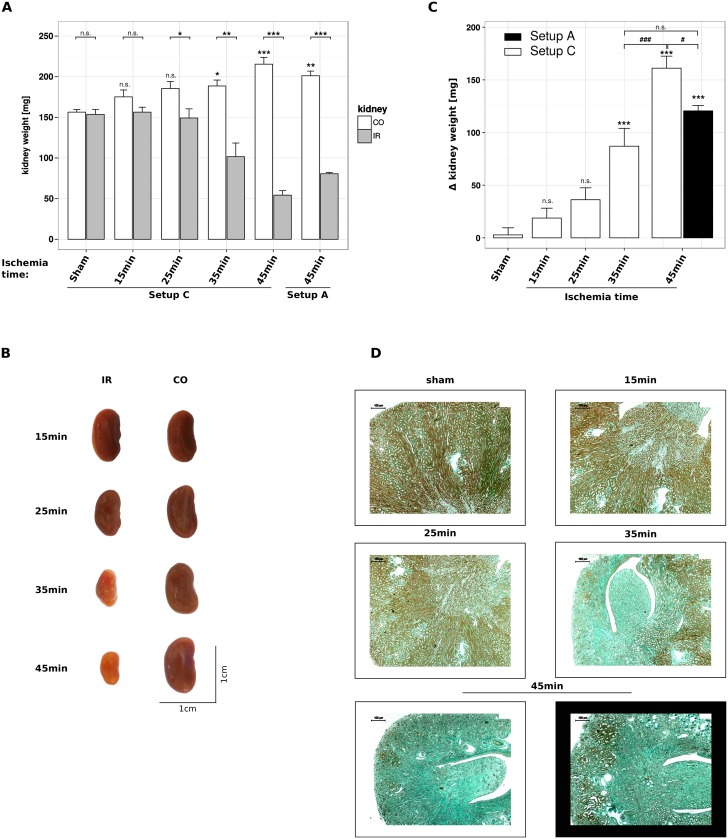
Fig 7. Optimizing temperature control enhances kidney atrophy after IRI.
Male C57BL/6N mice, 6–8 weeks of age, underwent unilateral ischemia for 15, 25, 35 or 45 minutes ischemia and subsequent reperfusion for 5 weeks using setup A and/ or C. (A) Kidney weight [mg] is given as mean ± SEM, asteriks above CO kidneys refer to differences compared to sham-operated mice, derived from n ≥ 5. (B) Images of contra-lateral and ischemic kidneys are taken from mice that underwent IR surgery in setup C. (C) Δ kidney weight [mg] calculated from the data shown in (A) is expressed as mean ± SEM, derived from n ≥ 5. (D) Pictures of Masson’s trichrome stained kidney sections correspond to the data shown in (C).

References

    1. Niemann CU, Feiner J, Swain S, Bunting S, Friedman M, Crutchfield M, et al. Therapeutic Hypothermia in Deceased Organ Donors and Kidney-Graft Function. New England Journal of Medicine. 2015. July;373(5):405–414. Available from: http://www.nejm.org/doi/abs/10.1056/NEJMoa1501969. 10.1056/NEJMoa1501969 - DOI - PubMed
    1. Calne RY, Pegg DE, Pryse-Davies J, Brown FL. Renal Preservation by Ice-cooling. British medical journal. 1963;2(5358):640–644, 651–655. 10.1136/bmj.2.5358.640-a - DOI - PMC - PubMed
    1. Moler FW, Silverstein FS, Holubkov R, Slomine BS, Christensen JR, Nadkarni VM, et al. Therapeutic Hypothermia after Out-of-Hospital Cardiac Arrest in Children. New England Journal of Medicine. 2015;372(20):150425103032003 Available from: http://www.nejm.org/doi/abs/10.1056/NEJMoa1411480. 10.1056/NEJMoa1411480 - DOI - PMC - PubMed
    1. Osias MB, Siegel NJ, Chaudry IH, Lytton B, Baue aE. Postichemic renal failure: accelerated recovery with adenosine triphosphate-magnesium chloride infusion. Archives of surgery. 1977;112(6):729–731. 10.1001/archsurg.1977.01370060061010 - DOI - PubMed
    1. Delbridge MS, Shrestha BM, Raftery aT, El Nahas aM, Haylor JL. The Effect of Body Temperature in a Rat Model of Renal Ischemia-Reperfusion Injury. Transplantation Proceedings. 2007;39(10):2983–2985. 10.1016/j.transproceed.2007.04.028 - DOI - PubMed

Publication types