


HPTN 068: A Randomized Control Trial of a Conditional Cash Transfer to Reduce HIV Infection in Young Women in South Africa-Study Design and Baseline Results
- PMID: 26891839
- PMCID: PMC4990514
- DOI: 10.1007/s10461-015-1270-0
HPTN 068: A Randomized Control Trial of a Conditional Cash Transfer to Reduce HIV Infection in Young Women in South Africa-Study Design and Baseline Results
Abstract
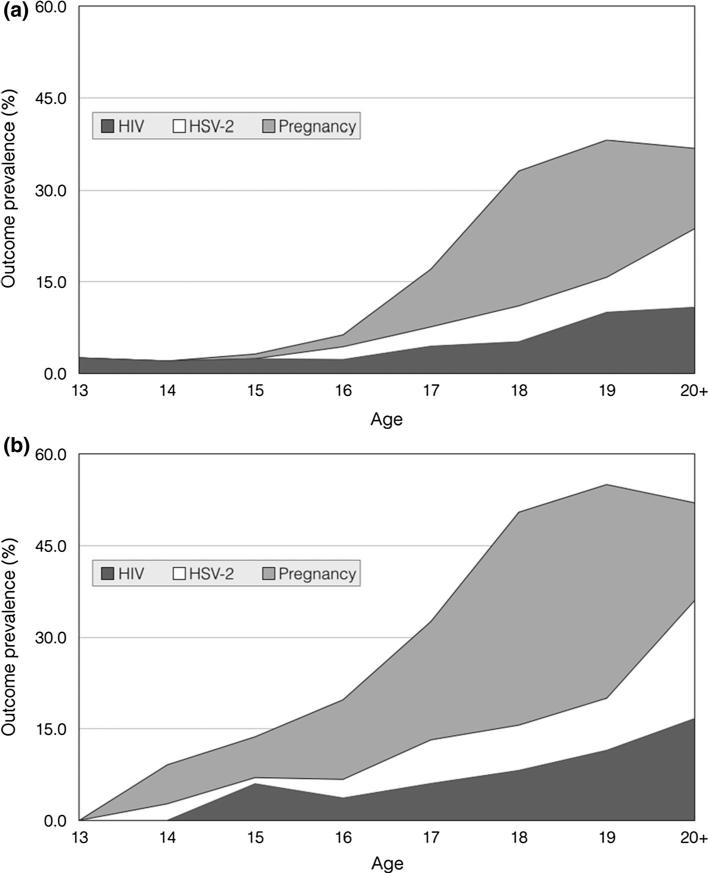
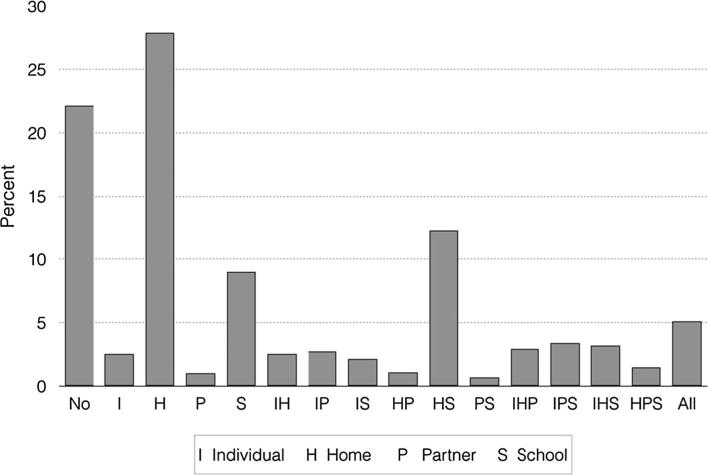
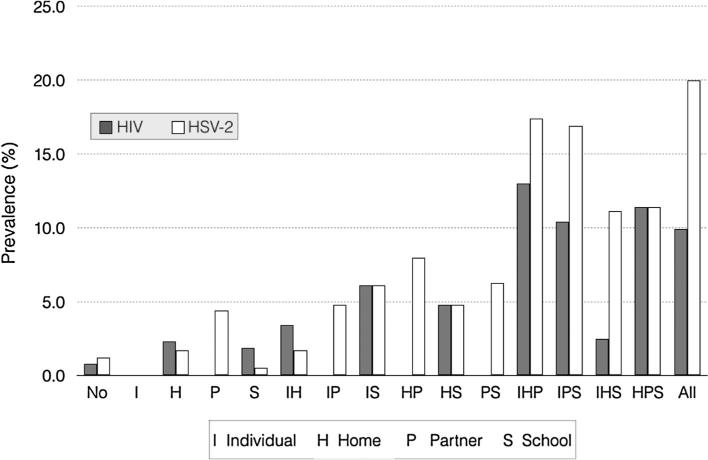
Young women in South Africa are at high risk for HIV infection. Cash transfers offer promise to reduce HIV risk. We present the design and baseline results from HPTN 068, a phase III, individually randomized trial to assess the effect of a conditional cash transfer on HIV acquisition among South African young women. A total of 2533 young women were randomized to receive a monthly cash transfer conditional on school attendance or to a control group. A number of individual-, partner-, household- and school-level factors were associated with HIV and HSV-2 infection. After adjusting for age, all levels were associated with an increased odds of HIV infection with partner-level factors conveying the strongest association (aOR 3.05 95 % CI 1.84-5.06). Interventions like cash transfers that address structural factors such as schooling and poverty have the potential to reduce HIV risk in young women in South Africa.
Keywords: Adolescents; Cash transfers; Education; HIV; HIV prevention; South Africa; Young women.
Figures
References
-
- Shisana O, Rehle T, LC S, Zuma K, Jooste S, N Z, et al. South African National HIV prevalence, incidence and behaviour survey 2012. Cape Town: 2014. - PubMed
-
- UNAIDS . The gap report. UNAIDS; Geneva: 2014.
-
- Cowan F, Pettifor A. HIV in adolescents in sub-Saharan Africa. Curr Opin HIV AIDS. 2009;4(4):288–93. - PubMed
Publication types
MeSH terms
Grants and funding
LinkOut - more resources
Full Text Sources
Other Literature Sources
Medical
