. 2016 May:279:13-26.
doi: 10.1016/j.expneurol.2016.02.009. Epub 2016 Feb 15.

Protective effects of butyrate-based compounds on a mouse model for spinal muscular atrophy

Affiliations

Protective effects of butyrate-based compounds on a mouse model for spinal muscular atrophy

Matthew E R Butchbach et al. Exp Neurol. 2016 May.

Abstract

Proximal spinal muscular atrophy (SMA) is a childhood-onset degenerative disease resulting from the selective loss of motor neurons in the spinal cord. SMA is caused by the loss of SMN1 (survival motor neuron 1) but retention of SMN2. The number of copies of SMN2 modifies disease severity in SMA patients as well as in mouse models, making SMN2 a target for therapeutics development. Sodium butyrate (BA) and its analog (4PBA) have been shown to increase SMN2 expression in SMA cultured cells. In this study, we examined the effects of BA, 4PBA as well as two BA prodrugs-glyceryl tributyrate (BA3G) and VX563-on the phenotype of SMNΔ7 SMA mice. Treatment with 4PBA, BA3G and VX563 but not BA beginning at PND04 significantly improved the lifespan and delayed disease end stage, with administration of VX563 also improving the growth rate of these mice. 4PBA and VX563 improved the motor phenotype of SMNΔ7 SMA mice and prevented spinal motor neuron loss. Interestingly, neither 4PBA nor VX563 had an effect on SMN expression in the spinal cords of treated SMNΔ7 SMA mice; however, they inhibited histone deacetylase (HDAC) activity and restored the normal phosphorylation states of Akt and glycogen synthase kinase 3β, both of which are altered by SMN deficiency in vivo. These observations show that BA-based compounds with favorable pharmacokinetics ameliorate SMA pathology possibly by modulating HDAC and Akt signaling.

Keywords: 4-phenylbutyrate; Akt; Butyrate prodrug; Neuroprotection; Preclinical drug trial; Spinal muscular atrophy.


Conflict of interest statement

CONFLICT OF INTEREST STATEMENT

The authors declare that they have no significant conflicts of interest.

Figures
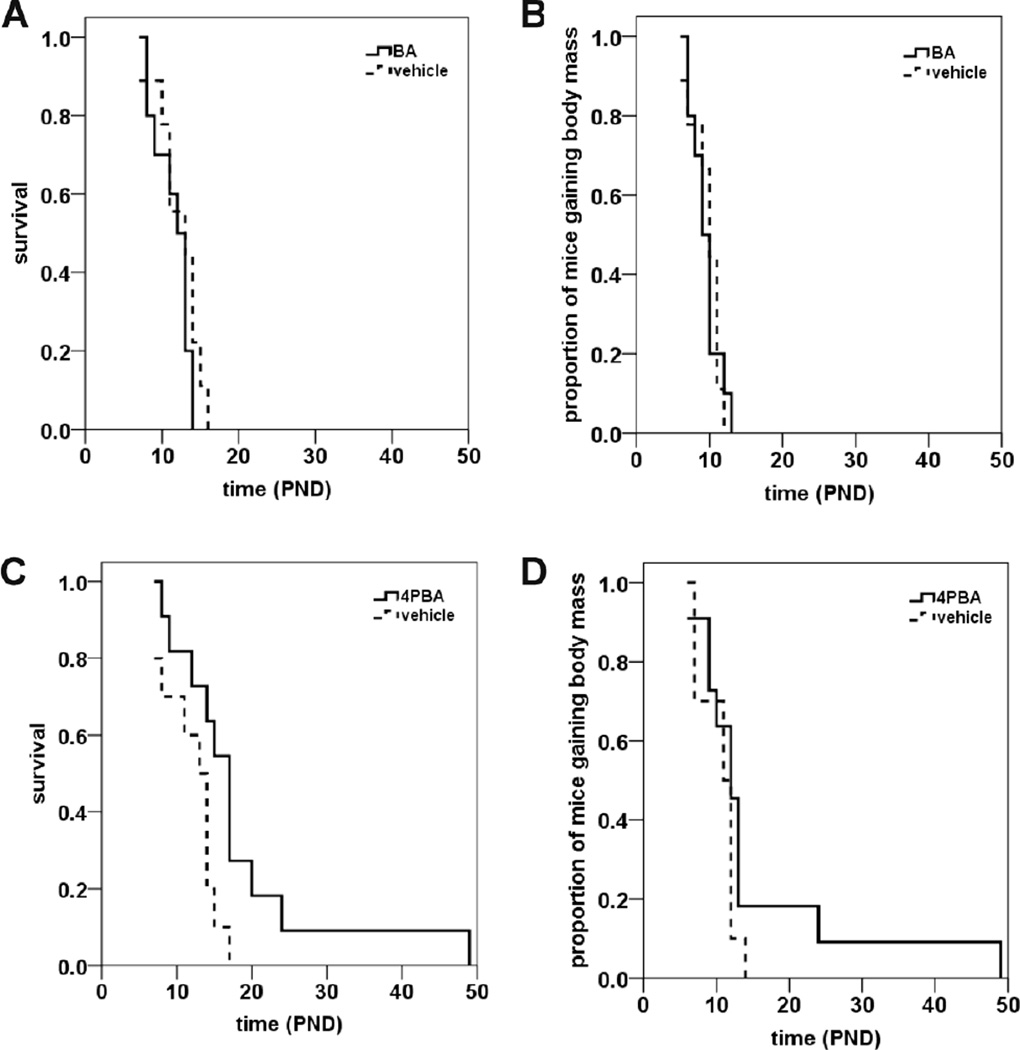
Figure 1
Figure 1. The effects of butyrate (BA) and 4-phenylbutyrate (4PBA) on survival of SMNΔ7 SMA mice
SMNΔ7 SMA mice were treated daily with BA (A-B) or 4PBA (C-D) starting at PND04 and monitored for changes in lifespan (A, C) and onset of loss of body mass (B, D). Daily oral administration of BA (5 g/kg/d, t.i.d.) had no effect on the survival (A; p = 0.253) or the onset of body mass loss (B; p = 0.925) in SMNΔ7 SMA mice. The BA analogue 4PBA (500 mg/kg/d, t.i.d.) increased the average lifespan of SMNΔ7 SMA mice by 53% (C; p = 0.026) but not significantly delay the onset of loss of body mass (D; p = 0.190).
Figure 2
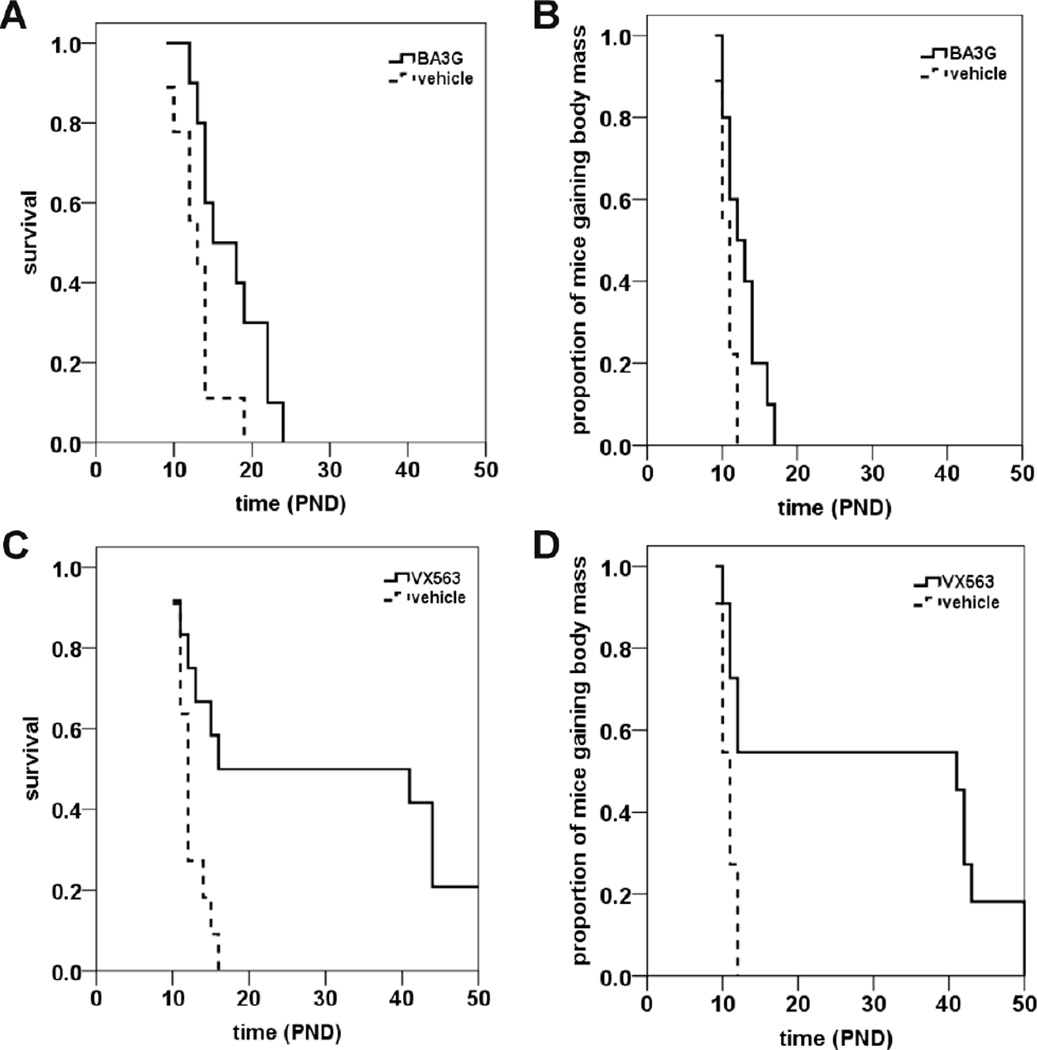
Figure 2. The effects of butyrate prodrugs on survival of SMNΔ7 SMA mice
SMNΔ7 SMA mice were treated daily with glyceryl tributyrate (BA3G; A-B) or VX563 (C-D) and monitored for changes in lifespan (A, C) and onset of loss of body mass (B, D). The drug compounds were administered orally beginning at PND04. The BA ester prodrug BA3G (5 g/kg/d, b.i.d.) increased survival by 33% (A; p = 0.024) and slightly delayed the onset of body mass loss (B; p = 0.019). Treatment of SMNΔ7 SMA mice with VX563 (6 g/kg/d, b.i.d.) beginning at PND04 strongly improved survival (C; p = 0.005) and significantly delayed the onset of body mass loss (D; p = 0.003).
Figure 3
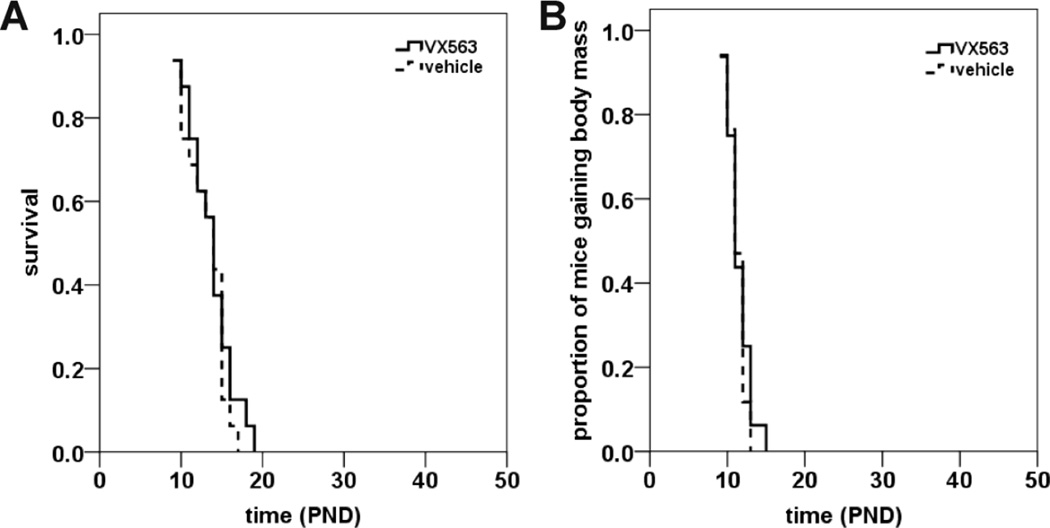
Figure 3. The effects of administration of VX563 on survival of SMNΔ7 SMA mice beginning at PND09
SMNΔ7 SMA mice were treated daily with VX563 beginning at PND09 and monitored for changes in lifespan (A) and onset of loss of body mass (B). There were no significant changes in the average lifespan (A; p = 0.507) or the onset of body mass loss (B; p = 0.569) between VX563-treated SMNΔ7 SMA mice treated and vehicle-treated SMNΔ7 SMA mice.
Figure 4
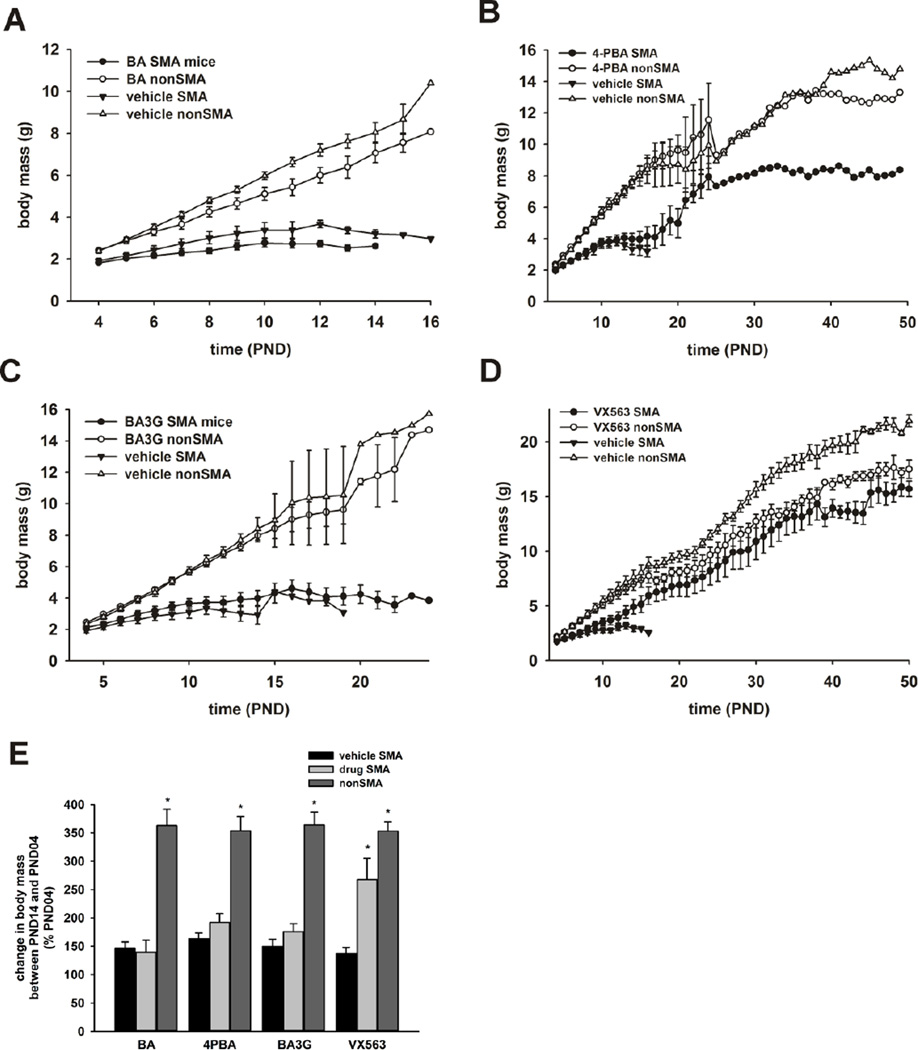
Figure 4. The effects of butyrate analogues and prodrugs on the body mass curves of SMNΔ7 SMA mice
(A-D) Body mass curves of SMNΔ7 SMA mice (solid circles) or non-SMA littermates (either carrier or normal; open circles) treated daily with either BA (A), 4PBA (B), BA3G (C) or VX563 (D). Body mass curves for vehicle-treated SMNΔ7 SMA and non-SMA mice are shown as solid and open triangles, respectively. (E) Growth rates, which are defined by the change in body mass between PND14 and PND04, of SMNΔ7 SMA treated with either BA, 4PBA, BA3G, VX563 or their appropriate vehicle along with non-SMA littermates. The mean body masses at PND14 were expressed relative to those at PND04. The asterisk (*) denotes a statistically significant (p ≤ 0.05) difference when compared to vehicle-treated SMNΔ7 SMA mice for each drug.
Figure 5
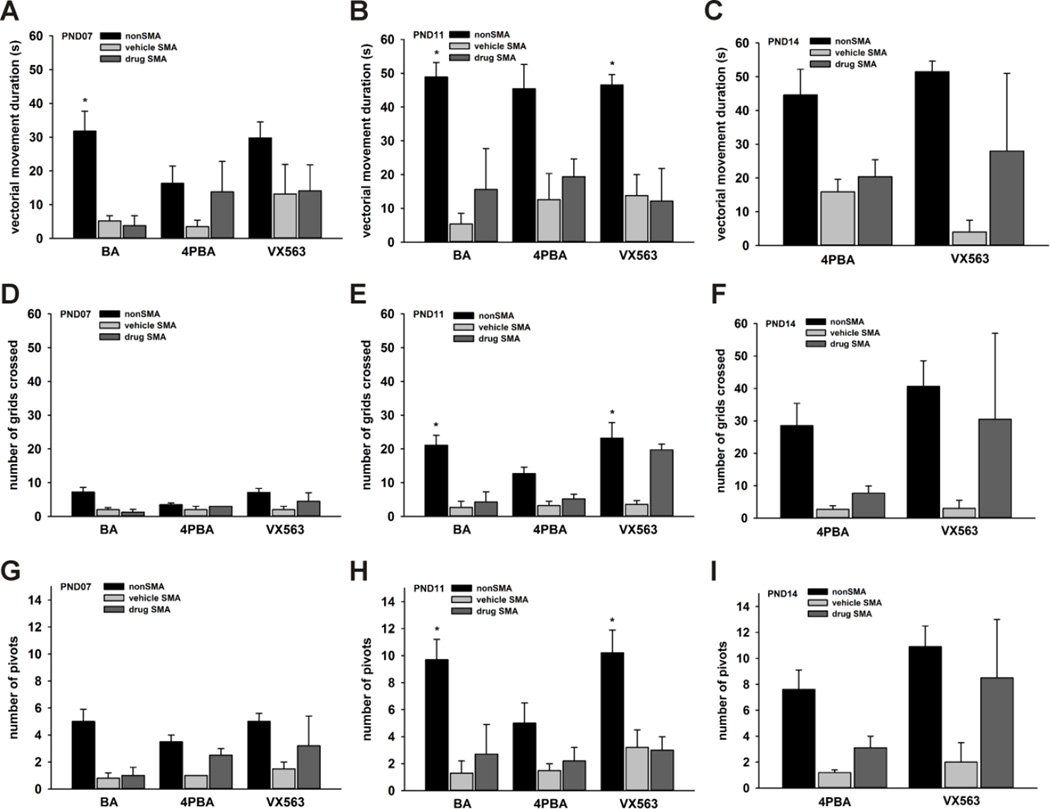
Figure 5. The effects of butyrate analogues and prodrugs on the motor phenotype of SMNΔ7 SMA mice
SMNΔ7 SMA mice were treated with BA, 4PBA, VX563 or their appropriate vehicle daily beginning at PND04 and were assayed for locomotor behaviors at PND07 (all drugs), PND11(all drugs) and PND14 (4PBA and VX563). Age-matched, non-SMA (carrier as well as normal) littermates were also assayed as controls. Vectorial movement (A-C), or locomotion in one direction at a distance greater than the body length (Butchbach et al., 2007a), was reduced in vehicle-treated SMNΔ7 SMA mice at PND07 (A), PND11 (B) and PND14 (C). The duration of vectorial movement was not significantly altered in SMNΔ7 SMA mice treated with BA, 4PBA or VX563. Spontaneous locomotor activity (D-F)—as measured by the number of grids crossed in 60 s (Butchbach et al., 2007a)—was reduced in vehicle-treated SMNΔ7 SMA mice at PND07 (D), PND11 (E) and PND14 (F). While none of the butyrate compounds had a statistically significant effect on spontaneous locomotor activity, there were trends for phenotypic improvement in 4PBA- and VX563-treated SMNΔ7 SMA mice. The number of 90° pivots (G-I) was reduced in vehicle-treated SMNΔ7 SMA mice at PND07 (G), PND11 (H) and PND14 (I). There were no statistically significant changes in pivoting behavior in SMNΔ7 SMA mice treated with BA, 4PBA or VX563 although there were trends for increased pivoting in 4PBA- and VX563-treated SMNΔ7 SMA mice. The asterisk (*) denotes a statistically significant (p ≤ 0.05) difference when compared to vehicle-treated SMNΔ7 SMA mice for each drug.
Figure 6
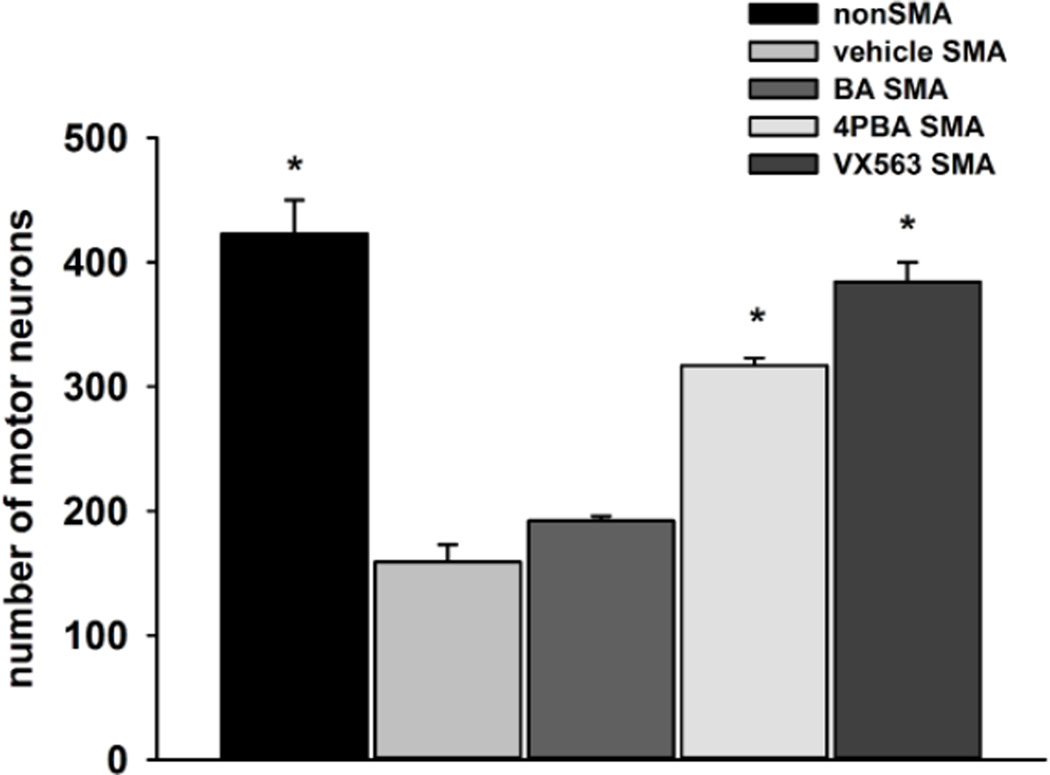
Figure 6. The effects of butyrate compounds on the number of motor neurons in the lumbar spinal cord of PND11 SMNΔ7 SMA mice
SMNΔ7 SMA mice were treated with either vehicle, BA, 4PBA or VX563 daily (n = 3/group) beginning at PND04 until PND11. Quantification of lumbar motor neurons was done in SMNΔ7 SMA mice within the aforementioned treatment groups as well age-matched, non-SMA littermates. The asterisk (*) denotes a statistically significant (p ≤ 0.05) difference when compared to vehicle-treated SMNΔ7 SMA mice for each drug.
Figure 7
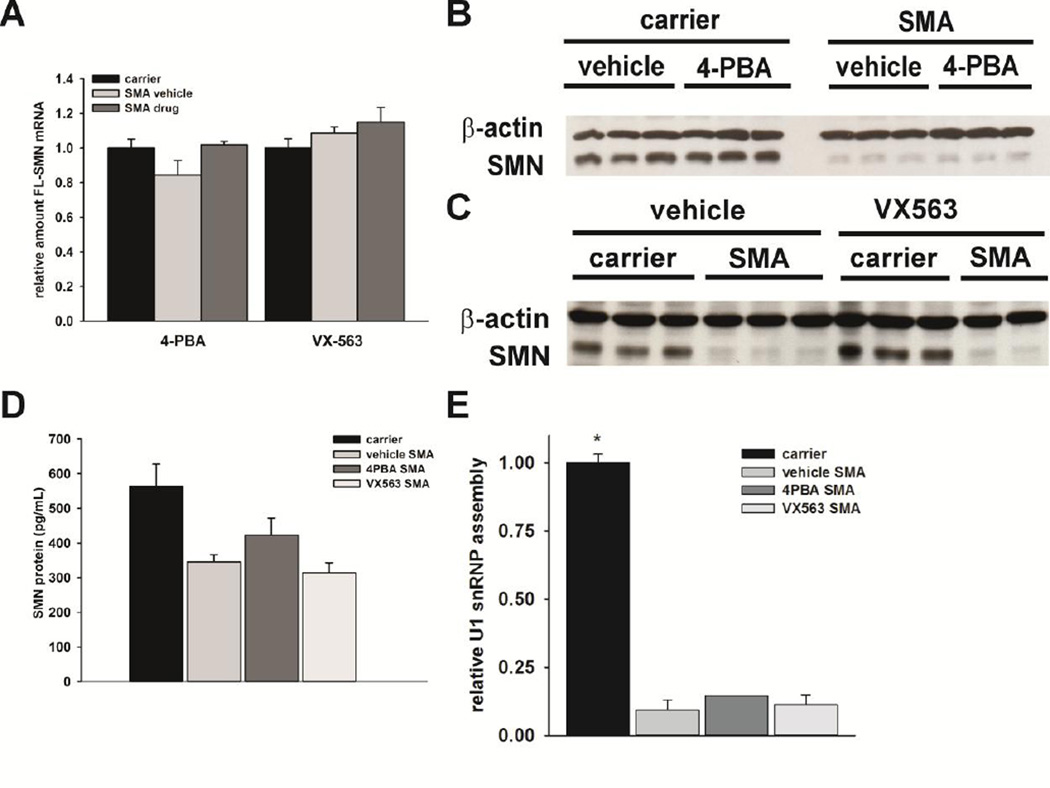
Figure 7. The effects of 4PBA and VX563 on SMN expression and function in the spinal cords of SMNΔ7 SMA mice
SMNΔ7 SMA mice (n = 3/group) were treated with either 4PBA, VX563 or their appropriate vehicles for 5 days beginning at PND04. Age-matched carrier mice were also included as controls. Neither 4PBA nor VX563 significantly affected the levels of FLSMN (A) mRNAs in treated spinal cord samples as determined by qRT-PCR. Immunoblot analysis shows that the levels of total SMN protein in the spinal cord were not altered by treatment with either 4PBA (B) or VX563 (C). Quantification of human SMN protein levels by ELISA also shows no significant changes in response to 4PBA or VX563 treatment (D). In vitro U1 snRNP assembly was not altered in spinal cord samples from SMNΔ7 SMA mice treated with either 4PBA or VX563 relative to vehicle-treated SMNΔ7 SMA mice (E). The asterisk (*) denotes a statistically significant (p ≤ 0.05) difference when compared to vehicle-treated SMNΔ7 SMA mice for each drug.
Figure 8
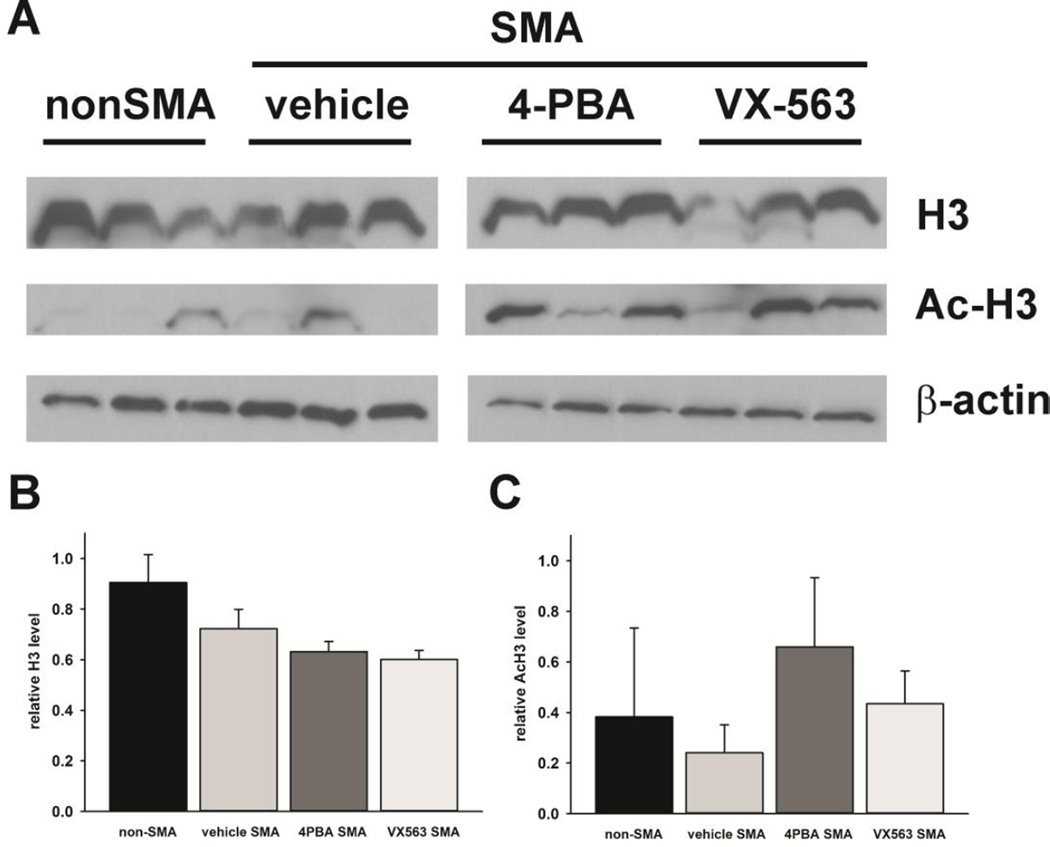
Figure 8. The effects of 4PBA and VX563 on histone deacetylase (HDAC) activity in SMNΔ7 SMA mice
HDAC activity was measured by the levels of acetylated histone H3 (H3) in spinal cord extracts. SMNΔ7 SMA mice (n = 3/group) were treated with either 4PBA, VX563 or their appropriate vehicles for 5 days beginning at PND04. Age-matched non-SMA mice were also included as controls. The effects of these compounds on both the levels of and the acetylation of H3 were determined by immunoblot (A). The band intensities for either H3 or acetylated H3 (Ac-H3) were normalized against those for the loading control β-actin. The levels of H3 protein (B) were not affected by drug but tended to be lower in SMNΔ7 SMA spinal cord samples. These differences were not statistically significant. The acetylation of H3 at lysine 9 (K9) (C) was greater in spinal cord samples from SMNΔ7 SMA mice treated with 4PBA or VX563. The differences, however, were not statistically significant due to Ac-H3 variability within treatment groups.
Figure 9
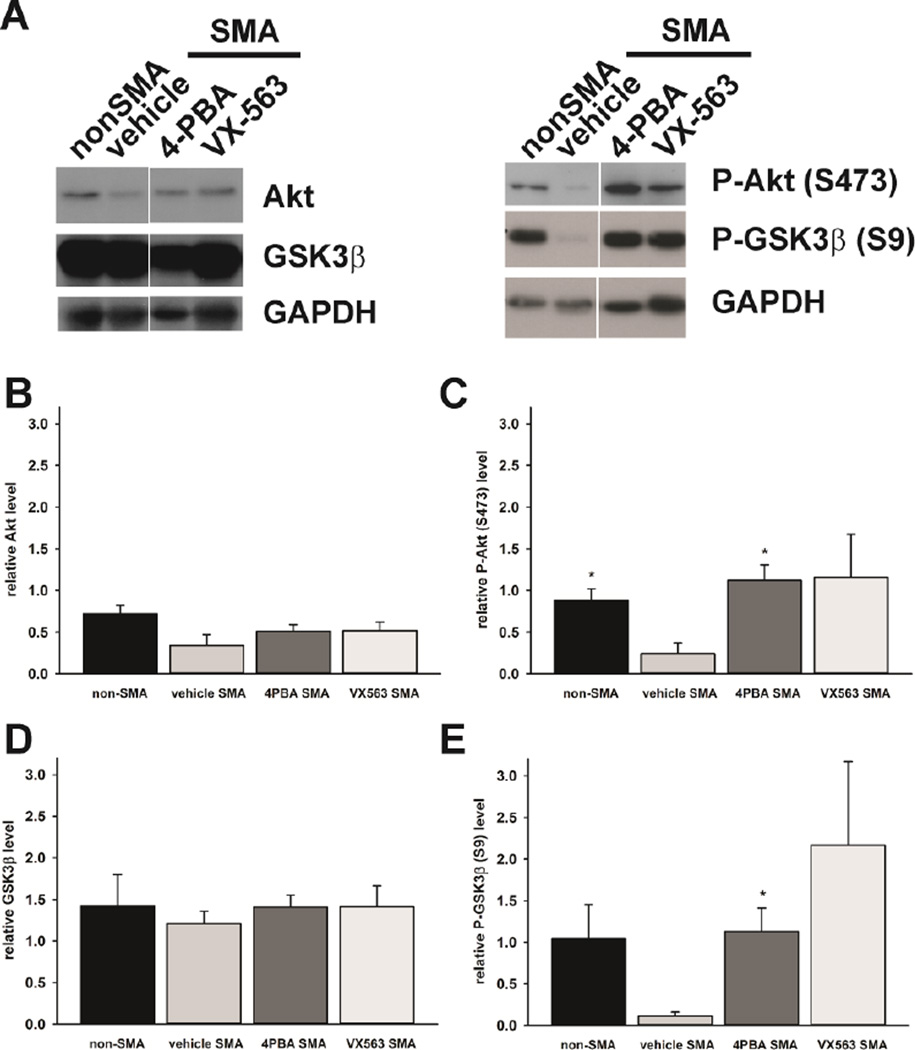
Figure 9. The effects of 4PBA and VX563 on Akt signaling in SMNΔ7 SMA mice
SMNΔ7 SMA mice (n = 3/group) were treated with either 4PBA, VX563 or their appropriate vehicles for 5 days beginning at PND04. Age-matched non-SMA mice were also included as controls. The effects of these compounds on both the levels of and the phosphorylation of Akt and one of its substrates, GSK3β, were determined by immunoblot (A). The band intensities for each target protein were normalized against those for the loading control GAPDH. The levels of Akt protein (B) were not affected by disease status (compare non-SMA to vehicle SMA) or by drug treatment. The phosphorylation of Akt at serine 473 (S473) was reduced in the spinal cord of SMNΔ7 SMA mice (C). Treatment of these mice with either 4PBA or VX563 increased Akt phosphorylation. As with Akt, the levels of GSK3β protein (D) were not affected by disease status or by drug treatment. The phosphorylation of GSK3β at serine 9 (S9) was reduced in the spinal cord of SMNΔ7 SMA mice (E). Treatment of these mice with either 4PBA or VX563 increased GSK3β phosphorylation. The asterisk (*) denotes a statistically significant (p ≤ 0.05) difference when compared to vehicle-treated SMNΔ7 SMA mice.

References

    1. Andreassi C, Angelozzi C, Tiziano FD, Vitali T, De Vincenzi E, Boninsegna A, Villanova M, Bertini E, Pini A, Neri G, Brahe C. Phenylbutyrate increases SMN expression in vitro: relevance for treatment of spinal muscular atrophy. Eur. J. Hum. Genet. 2004;12:59–65. - PubMed
    1. Avila AM, Burnett BG, Taye AA, Gabanella F, Knight MA, Hartenstein P, Cizman Z, DiProspero NA, Pellizzoni L, Fischbeck KH, Sumner CJ. Trichostatin A increases SMN expression and survival in a mouse model of spinal muscular atrophy. J. Clin. Invest. 2007;117:659–671. - PMC - PubMed
    1. Berg S, Serabe B, Aleksic A, Bomgaars L, McGuffey L, Dauser R, Durfee J, Nuchtern J, Blaney S. Pharmacokinetics and cerebrospinal fluid penetration of phenylacetate and phenylbutyrate in the nonhuman primate. Cancer Chemother. Pharmacol. 2001;47:385–390. - PubMed
    1. Bevan AK, Hutchinson KR, Foust KD, Braun L, McGovern VL, Schmelzer L, Ward JG, Petruska JC, Lucchesi PA, Burghes AHM, Kaspar BK. Early heart failure in the SMNΔ7 model of spinal muscular atrophy and correction by postnatal scAAV9-SMN delivery. Hum. Mol. Genet. 2010;19:3895–3905. - PMC - PubMed
    1. Biondi O, Branchu J, Ben Salah A, Houdebine L, Bertin L, Chali F, Desseille C, Weill L, Sanchez G, Lancelin C, Aïd S, Lopes P, Pariset C, Lécolle S, Côté J, Holzenberger M, Chanoine G, Massaad C, Charbonnier F. IGF-1R reduction triggers neuroprotective signaling pathways in spinal muscular atrophy mice. J. Neurosci. 2015;35:12063–12079. - PMC - PubMed

Publication types

MeSH terms