


Depot-Specific Changes in Fat Metabolism with Aging in a Type 2 Diabetic Animal Model
- PMID: 26894429
- PMCID: PMC4760935
- DOI: 10.1371/journal.pone.0148141
Depot-Specific Changes in Fat Metabolism with Aging in a Type 2 Diabetic Animal Model
Abstract
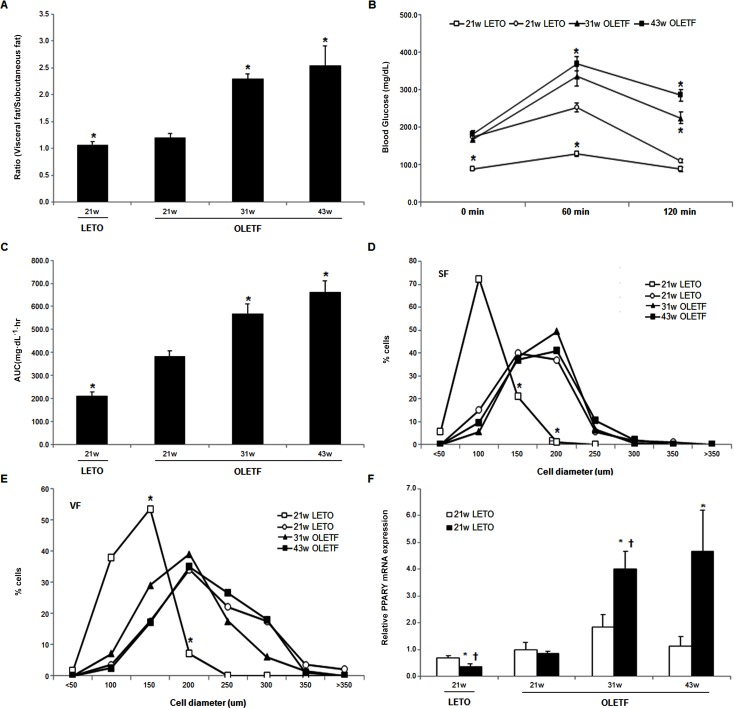
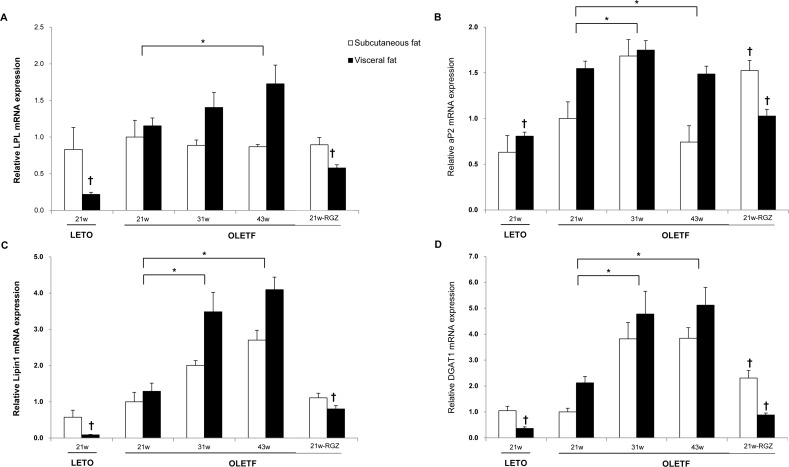
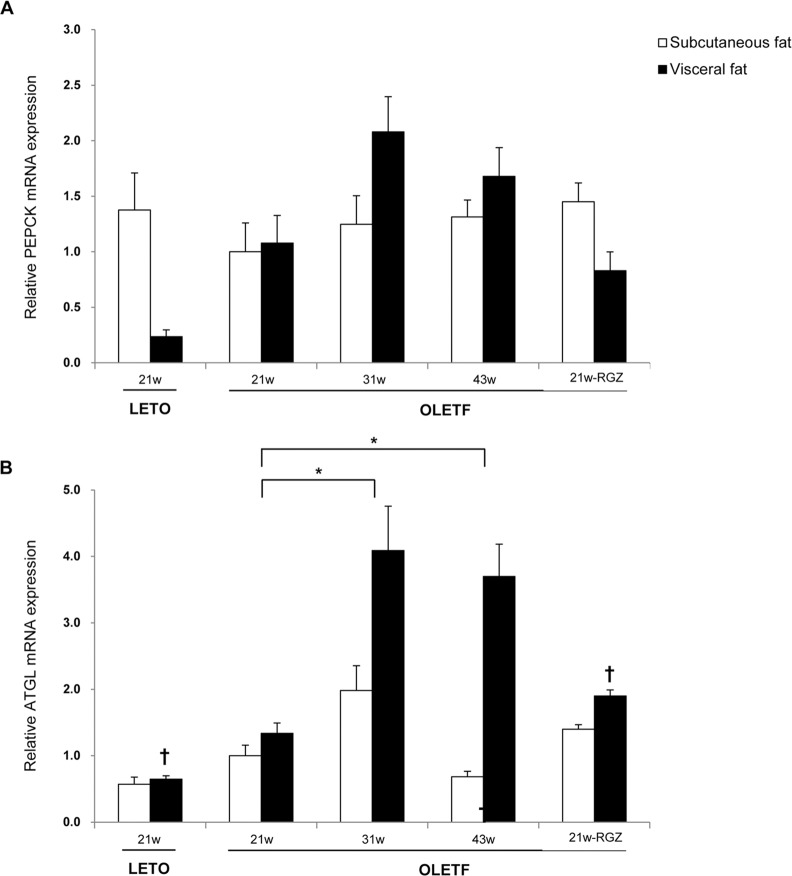
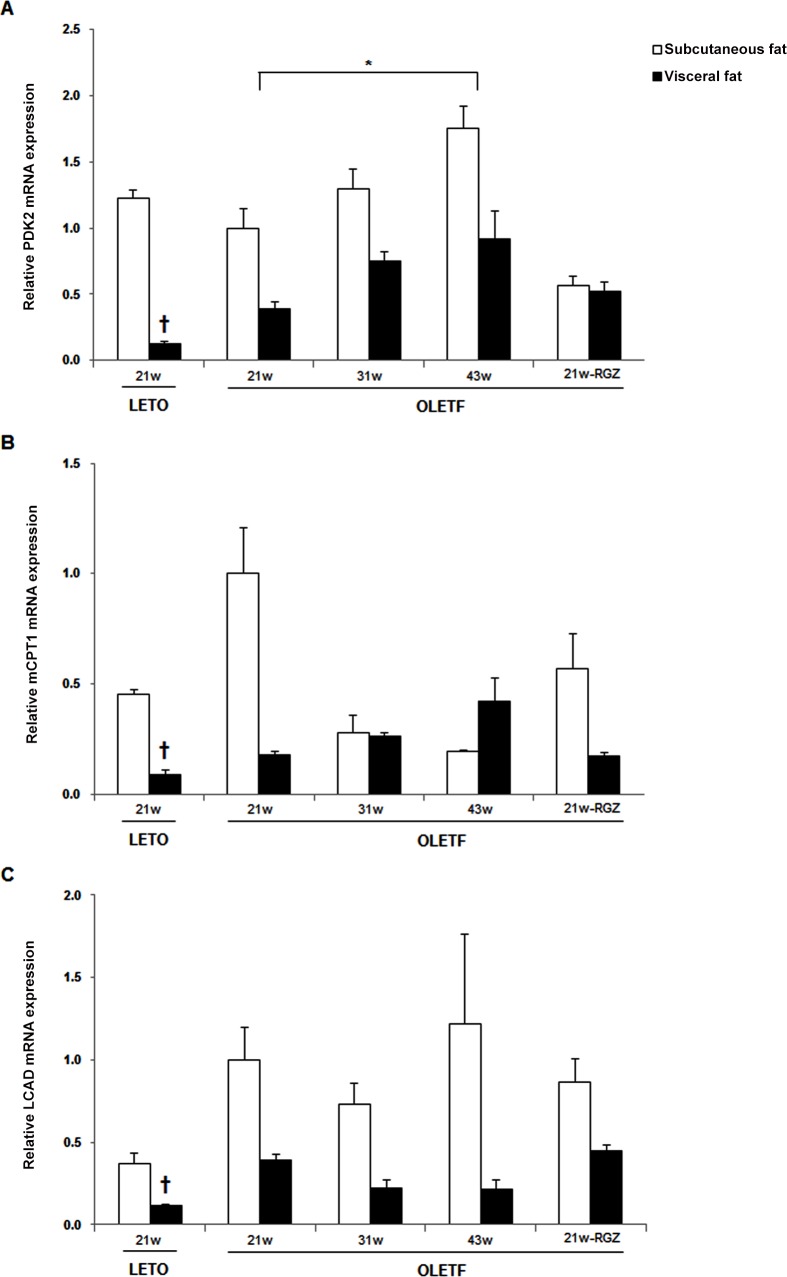
Visceral fat accretion is a hallmark of aging and is associated with aging-induced metabolic dysfunction. PPARγ agonist was reported to improve insulin sensitivity by redistributing fat from visceral fat to subcutaneous fat. The purpose of this study was to investigate the underlying mechanisms by which aging affects adipose tissue remodeling in a type 2 diabetic animal model and through which PPARγ activation modulates aging-related fat tissue distribution. At the ages of 21, 31 and 43 weeks, OLETF rats as an animal model of type 2 diabetes were evaluated for aging-related effects on adipose tissue metabolism in subcutaneous and visceral fat depots. During aging, the ratio of visceral fat weight to subcutaneous fat weight (V/S ratio) increased. Aging significantly increased the mRNA expression of genes involved in lipogenesis such as lipoprotein lipase, fatty acid binding protein aP2, lipin 1, and diacylglycerol acyltransferase 1, which were more prominent in visceral fat than subcutaneous fat. The mRNA expression of adipose triglyceride lipase, which is involved in basal lipolysis and fatty acid recycling, was also increased, more in visceral fat compared to subcutaneous fat during aging. The mRNA levels of the genes associated with lipid oxidation were increased, whereas the mRNA levels of genes associated with energy expenditure showed no significant change during aging. PPARγ agonist treatment in OLETF rats resulted in fat redistribution with a decreasing V/S ratio and improved glucose intolerance. The genes involved in lipogenesis decreased in visceral fat of the PPARγ agonist-treated rats. During aging, fat distribution was changed by stimulating lipid uptake and esterification in visceral fat rather than subcutaneous fat, and by altering the lipid oxidation.
Conflict of interest statement
Figures
References
-
- Guo SS, Zeller C, Chumlea WC, Siervogel RM (1999) Aging, body composition, and lifestyle: the Fels Longitudinal Study. Am J Clin Nutr 70: 405–411. - PubMed
-
- Zamboni M, Armellini F, Harris T, Turcato E, Micciolo R, et al. (1997) Effects of age on body fat distribution and cardiovascular risk factors in women. Am J Clin Nutr 66: 111–115. - PubMed
-
- DeNino WF, Tchernof A, Dionne IJ, Toth MJ, Ades PA, et al. (2001) Contribution of abdominal adiposity to age-related differences in insulin sensitivity and plasma lipids in healthy nonobese women. Diabetes Care 24: 925–932. - PubMed
-
- Hughes VA, Roubenoff R, Wood M, Frontera WR, Evans WJ, et al. (2004) Anthropometric assessment of 10-y changes in body composition in the elderly. Am J Clin Nutr 80: 475–482. - PubMed
Publication types
MeSH terms
Substances
LinkOut - more resources
Full Text Sources
Other Literature Sources
Medical
Research Materials
