


In utero exposure of rats to high-fat diets perturbs gene expression profiles and cancer susceptibility of prepubertal mammary glands
- PMID: 26895667
- PMCID: PMC4761409
- DOI: 10.1016/j.jnutbio.2015.11.003
In utero exposure of rats to high-fat diets perturbs gene expression profiles and cancer susceptibility of prepubertal mammary glands
Abstract
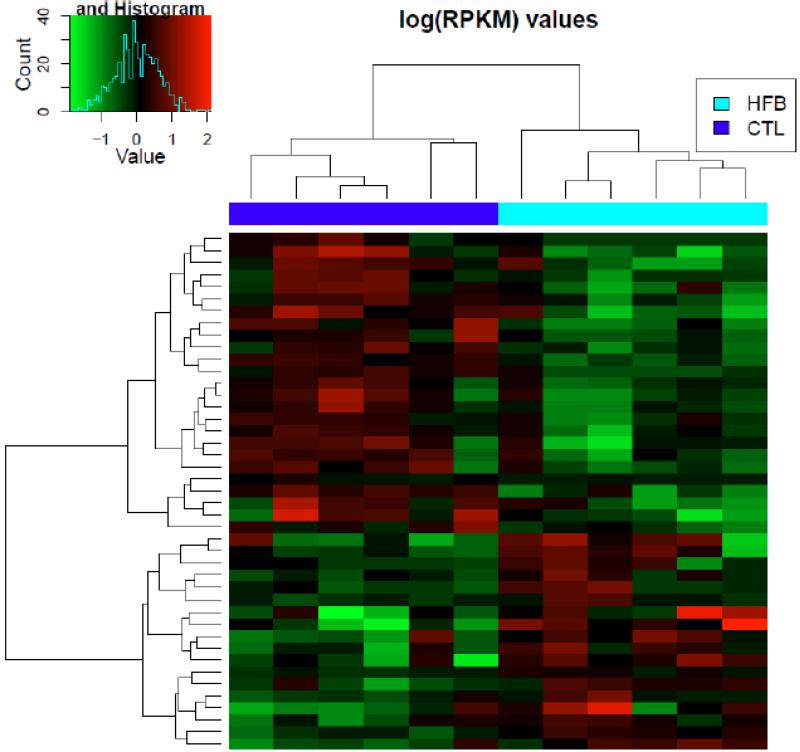
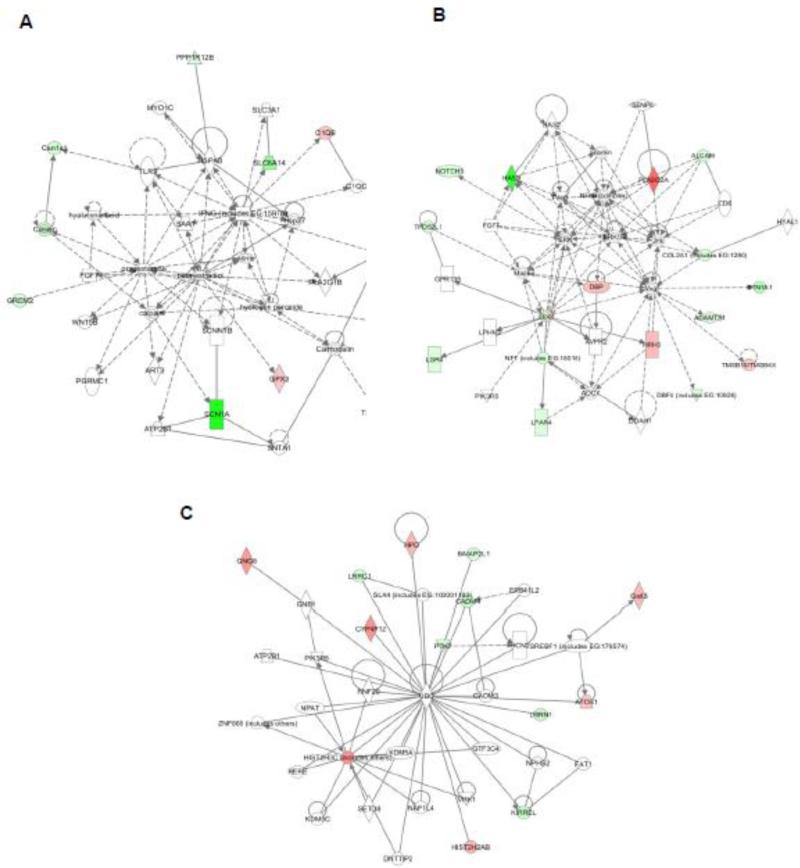
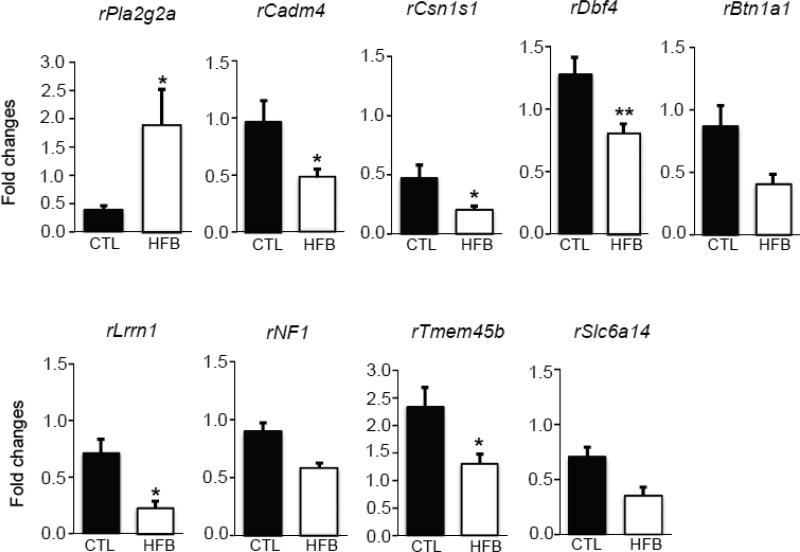
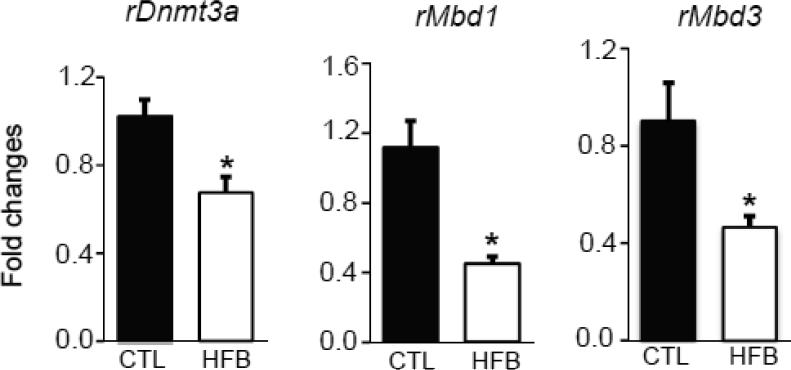
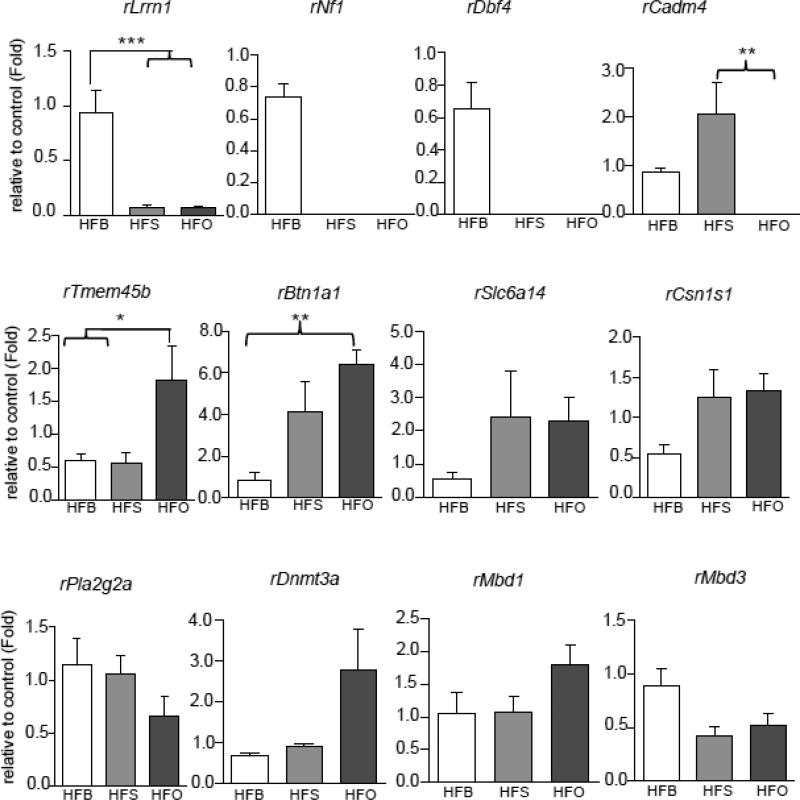
Human studies suggest that high-fat diets (HFDs) increase the risk of breast cancer. The 7,12-dimethylbenz[a]anthracene (DMBA)-induced mammary carcinogenesis rat model is commonly used to evaluate the effects of lifestyle factors such as HFD on mammary tumor risk. Past studies focused primarily on the effects of continuous maternal exposure on the risk of offspring at the end of puberty (PND50). We assessed the effects of prenatal HFD exposure on cancer susceptibility in prepubertal mammary glands and identified key gene networks associated with such disruption. During pregnancy, dams were fed AIN-93G-based diets with isocaloric high olive oil, butterfat or safflower oil. The control group received AIN-93G. Female offspring were treated with DMBA on PND21. However, a significant increase in tumor volume and a trend of shortened tumor latency were observed in rats with HFD exposure against the controls (P=.048 and P=.067, respectively). Large-volume tumors harbored carcinoma in situ. Transcriptome profiling identified 43 differentially expressed genes in the mammary glands of the HFBUTTER group as compared with control. Rapid hormone signaling was the most dysregulated pathway. The diet also induced aberrant expression of Dnmt3a, Mbd1 and Mbd3, consistent with potential epigenetic disruption. Collectively, these findings provide the first evidence supporting susceptibility of prepubertal mammary glands to DMBA-induced tumorigenesis that can be modulated by dietary fat that involves aberrant gene expression and likely epigenetic dysregulation.
Keywords: Breast cancer; DNA methyl transferases; DNA methylation; Developmental origin of health and disease; Epigenetics; Methylated DNA binding domain.
Copyright © 2015 Elsevier Inc. All rights reserved.
Figures
References
-
- Buell P. Changing incidence of breast cancer in Japanese-American women. J Natl Cancer Inst. 1973;51:1479–83. - PubMed
-
- Ziegler RG, Hoover RN, Pike MC, Hildesheim A, Nomura AM, West DW, Wu-Williams AH, Kolonel LN, Horn-Ross PL, Rosenthal JF, Hyer MB. Migration patterns and breast cancer risk in Asian-American women. J Natl Cancer Inst. 1993;85:1819–27. - PubMed
-
- Kushi L, Giovannucci E. Dietary fat and cancer. Am J Med. 2002;113:63S–70S. - PubMed
-
- Freedman LS, Clifford C, Messina M. Analysis of dietary fat, calories, body weight, and the development of mammary tumors in rats and mice: a review. Cancer Res. 1990;50:5710–19. - PubMed
-
- Prentice RL, Caan B, Chlebowski RT, Patterson R, Kuller LH, Ockene JK, et al. Low-fat dietary pattern and risk of invasive breast cancer: the Women's Health Initiative Randomized Controlled Dietary Modification Trial. JAMA. 2006;295:629–42. - PubMed
Publication types
MeSH terms
Substances
Grants and funding
LinkOut - more resources
Full Text Sources
Other Literature Sources
Research Materials
Miscellaneous
