


LPS/TLR4-mediated stromal cells acquire an invasive phenotype and are implicated in the pathogenesis of adenomyosis
- PMID: 26898650
- PMCID: PMC4761971
- DOI: 10.1038/srep21416
LPS/TLR4-mediated stromal cells acquire an invasive phenotype and are implicated in the pathogenesis of adenomyosis
Abstract
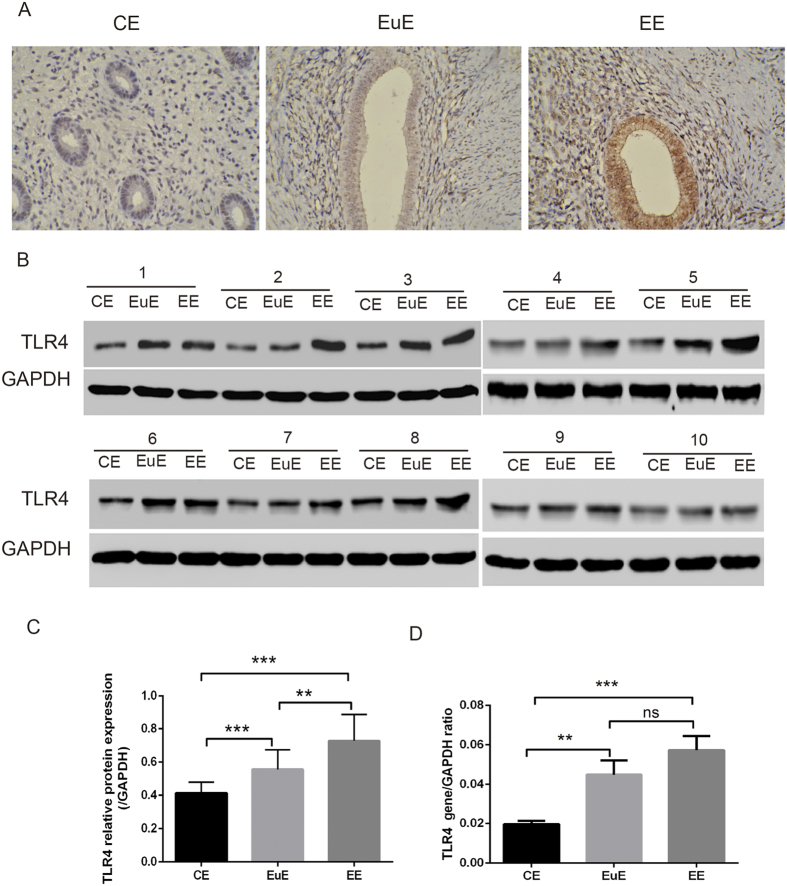
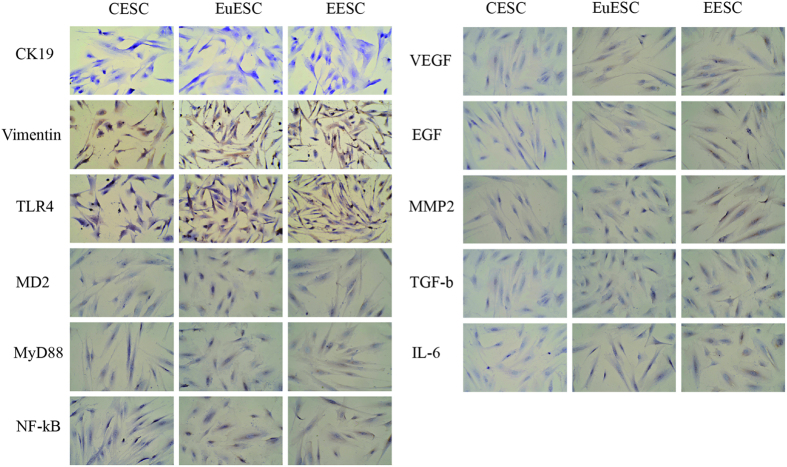
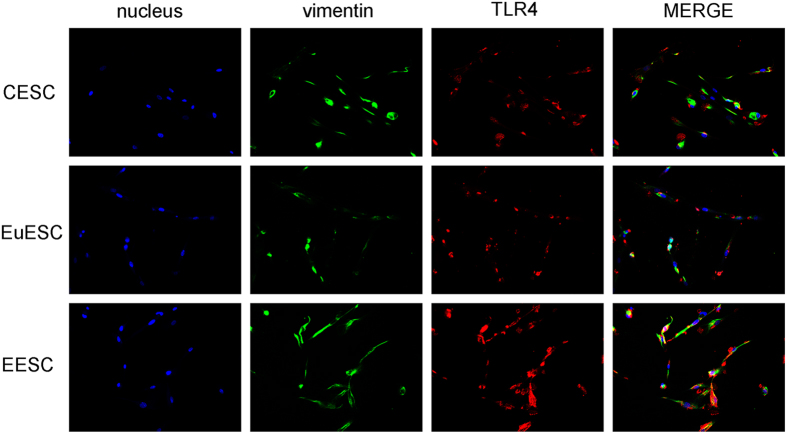
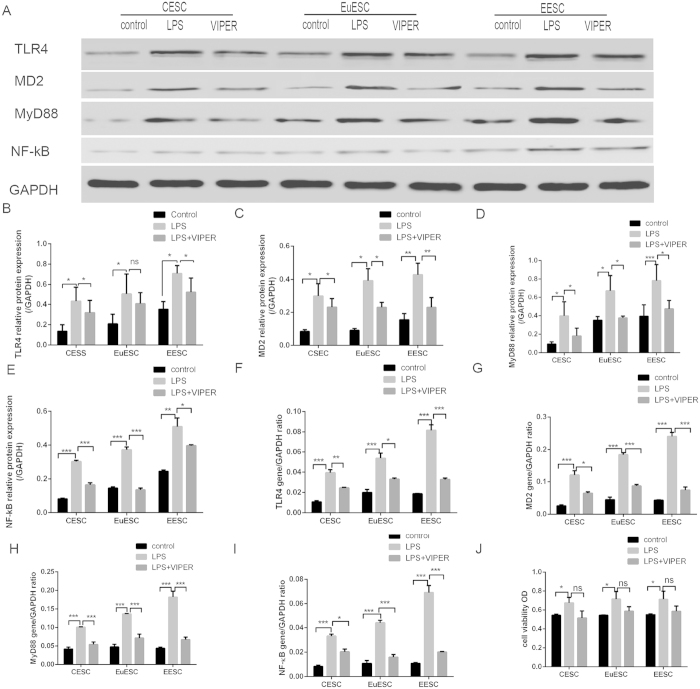
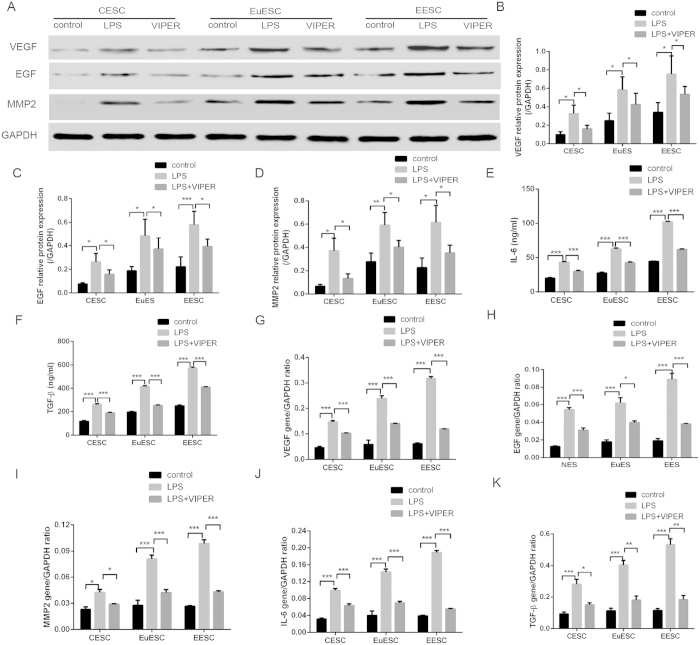
The present study tested whether the LPS/TLR4 signal pathway in endometrial stromal cells is essential for the pathogenesis of adenomyosis. We tested the expression of TLR4, MD2 in the endometrium without adenomyosis (CE), the eutopic endometrium with adenomyosis (EuE) and the ectopic endometrium with adenomyosis (EE). We isolated the stromal cells from CE, EuE and EE (CESC, EuESC, EESC), treated with lipopolysaccharide (LPS) and TLR4 antagonist and detected the cell viability. And we also measured the key protein of the TLR4 signal pathway and inflammatory proliferation and invasive growth of experimental cells. We found that the viability of experimental cells treated with LPS was significantly greater than that of the non-treated cells, blocked by the TLR4 antagonist VIPER. TLR4 signal pathway and inflammatory proliferation and invasive growth of experimental cells stimulated by LPS, and it was inhibited by VIPER. This study suggested that stromal cells were activated by the TLR4 signalling pathway, which processed the cellular inflammatory proliferation and invasive growth involved in the pathogenesis of adenomyosis.
Figures
References
-
- Ferenczy A. Pathophysiology of adenomyosis. Hum Reprod Update 4, 312–322 (1998). - PubMed
-
- Korzekwa A., Lupicka M., Socha B., Mannelli C. & Skarzynski D. J. Is adenomyosis a problem in reproduction and fertility? Pol J Vet Sci 17, 187–194 (2014). - PubMed
-
- Benagiano G. & Brosens I. History of adenomyosis. Best Pract Res Clin Obstet Gynaecol 20, 449–463 (2006). - PubMed
MeSH terms
Substances
LinkOut - more resources
Full Text Sources
Other Literature Sources
