


Inflammation in irritable bowel syndrome: Myth or new treatment target?
- PMID: 26900287
- PMCID: PMC4734999
- DOI: 10.3748/wjg.v22.i7.2242
Inflammation in irritable bowel syndrome: Myth or new treatment target?
Abstract
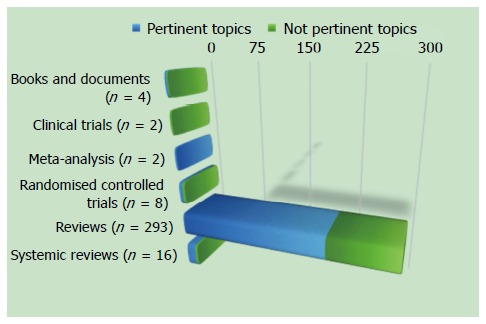
Low-grade intestinal inflammation plays a key role in the pathophysiology of irritable bowel syndrome (IBS), and this role is likely to be multifactorial. The aim of this review was to summarize the evidence on the spectrum of mucosal inflammation in IBS, highlighting the relationship of this inflammation to the pathophysiology of IBS and its connection to clinical practice. We carried out a bibliographic search in Medline and the Cochrane Library for the period of January 1966 to December 2014, focusing on publications describing an interaction between inflammation and IBS. Several evidences demonstrate microscopic and molecular abnormalities in IBS patients. Understanding the mechanisms underlying low-grade inflammation in IBS may help to design clinical trials to test the efficacy and safety of drugs that target this pathophysiologic mechanism.
Keywords: Inflammation; Irritable bowel syndrome; Mast cells; Neuroendocrine cells; Pathology.
Figures
References
-
- Stamboldjiev T. Management of Irritable Bowel Syndrome in Primary Care. Mas-ter of Arts in Nursing Theses. 2011. p. 10. Available from: http://sophia.stkate.edu/ma_nursing/10.
-
- Russo MW, Gaynes BN, Drossman DA. A national survey of practice patterns of gastroenterologists with comparison to the past two decades. J Clin Gastroenterol. 1999;29:339–343. - PubMed
-
- Wald A, Rakel D. Behavioral and complementary approaches for the treatment of irritable bowel syndrome. Nutr Clin Pract. 1999;23:284–292. - PubMed
Publication types
MeSH terms
Substances
LinkOut - more resources
Full Text Sources
Other Literature Sources
