


Non-Intensive Care Unit Acquired Pneumonia: A New Clinical Entity?
- PMID: 26927074
- PMCID: PMC4813151
- DOI: 10.3390/ijms17030287
Non-Intensive Care Unit Acquired Pneumonia: A New Clinical Entity?
Abstract
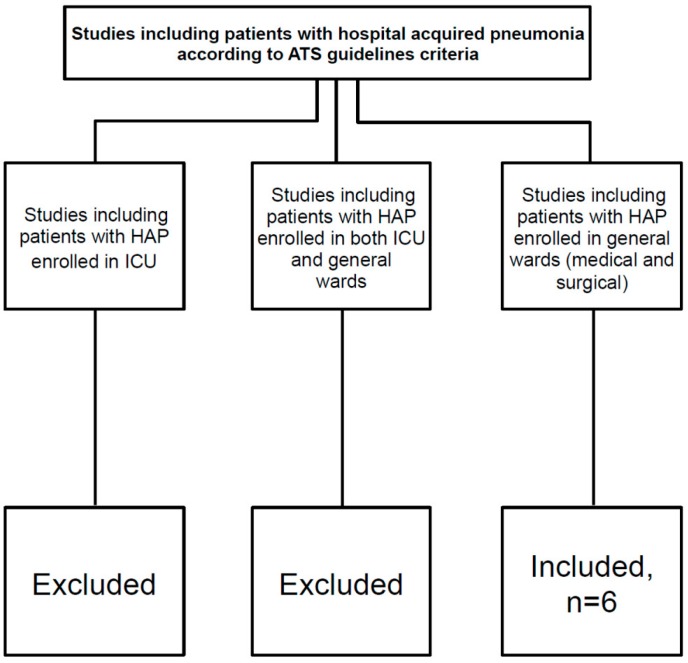
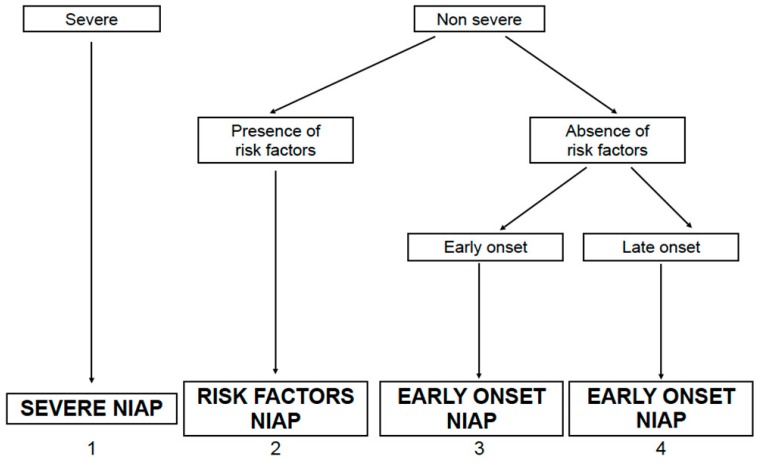
Hospital-acquired pneumonia (HAP) is a frequent cause of nosocomial infections, responsible for great morbidity and mortality worldwide. The majority of studies on HAP have been conducted in patients hospitalized in the intensive care unit (ICU), as mechanical ventilation represents a major risk factor for nosocomial pneumonia and specifically for ventilator-associated pneumonia. However, epidemiological data seem to be different between patients acquiring HAP in the ICU vs. general wards, suggesting the importance of identifying non ICU-acquired pneumonia (NIAP) as a clinical distinct entity in terms of both etiology and management. Early detection of NIAP, along with an individualized management, is needed to reduce antibiotic use and side effects, bacterial resistance and mortality. The present article reviews the pathophysiology, diagnosis, treatment and prevention of NIAP.
Keywords: hospital acquired pneumonia; microbiology; nosocomial infection; prevention; risk factors.
Figures



References
-
- Craven D.E., Chroneou A. Nosocomial pneumonia. In: Madell G.L., Benett J.E., Dolin R., editors. Principles and Practice of Infectious Diseases. 7th ed. Elsevier Churchill Livingstone; Philadelphia, PA, USA: 2009. pp. 3717–3724.
Publication types
MeSH terms
LinkOut - more resources
Full Text Sources
Other Literature Sources
