Original Research: Parvovirus B19 infection in children with sickle cell disease in the hydroxyurea era
- PMID: 26940953
- PMCID: PMC4950380
- DOI: 10.1177/1535370216636723
Original Research: Parvovirus B19 infection in children with sickle cell disease in the hydroxyurea era
Abstract
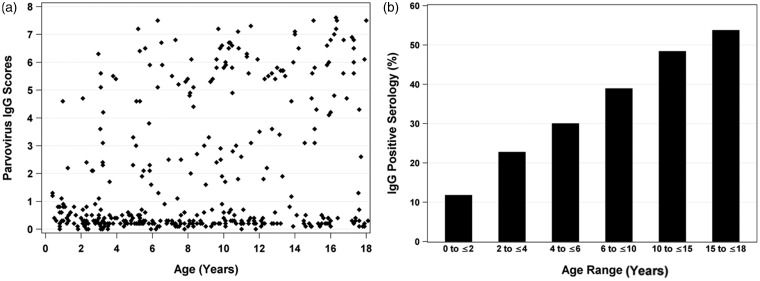
Parvovirus B19 infection causes transient aplastic crisis in sickle cell disease (SCD) due to a temporary interruption in the red blood cell production. Toxicity from hydroxyurea includes anemia and reticulocytopenia, both of which also occur during a transient aplastic crisis event. Hydroxyurea inhibits proliferation of hematopoietic cells and may be immunosuppressive. We postulated that hydroxyurea could exacerbate parvovirus B19-induced aplastic crisis and inhibit the development of specific immune responses in children with SCD. We conducted a retrospective review of parvovirus B19 infection in 330 children with SCD. Altogether there were 120 known cases of aplastic crisis attributed to parvovirus B19 infection, and 12% of children were on hydroxyurea treatment during the episode. We evaluated hematological and immune responses. Children with HbSS or HbSβ(0)-thalassemia treated with hydroxyurea, when compared with untreated children, required fewer transfusions and had higher Hb concentration nadir during transient aplastic crisis. Duration of hospital stays was no different between hydroxyurea-treated and untreated groups. Children tested within a week following aplastic crisis were positive for parvovirus-specific IgG. Immune responses lasted for the duration of the observation period, up to 13 years after transient aplastic crisis, and there were no repeat aplastic crisis episodes. The frequencies of parvovirus-specific antibodies in all children with SCD increased with age, as expected due to the increased likelihood of a parvovirus exposure, and were comparable to frequencies reported for healthy children. Approximately one-third of children had a positive parvovirus B19-specific IgG test without a documented history of transient aplastic crisis, and 64% of them were treated with hydroxyurea. Hydroxyurea may reduce requirements for blood transfusions and may attenuate symptoms during transient aplastic crisis episodes caused by parvovirus B19 infections. Children with SCD, whether treated or untreated with hydroxyurea, generate sustained and protective parvovirus B19-specific immune responses.
Keywords: Sickle cell anemia; hydroxycarbamide; immune response.
© 2016 by the Society for Experimental Biology and Medicine.
Figures

References
-
- Young NS, Brown KE. Parvovirus B19. N Engl J Med 2004; 350: 586–97. - PubMed
-
- Sant'Anna AL, Garcia RC, Marzoche M, da Rocha HH, Paula MT, Lobo CC, Nascimento JP. Study of chronic hemolytic anaemia patients in Rio de Janeiro: prevalence of anti-human parvovirus B19 IgG antibodies and the development aplastic crises. Rev Inst Med Trop Sao Paulo 2002; 44: 187–90. - PubMed
-
- Kelleher JF, Jr., Luban NL, Cohen BJ, Mortimer PP. Human serum parvovirus as the cause of aplastic crisis in sickle cell disease. Am J Dis Child 1984; 138: 401–3. - PubMed
-
- Serjeant GR, Topley JM, Mason K, Serjeant BE, Pattison JR, Jones SE, Mohamed R. Outbreak of aplastic crises in sickle cell anaemia associated with parvovirus-like agent. Lancet 1981; 2: 595–7. - PubMed
-
- Rao SP, Miller ST, Cohen BJ. Transient aplastic crisis in patients with sickle cell disease. B19 parvovirus studies during a 7-year period. Am J Dis Child 1992; 146: 1328–30. - PubMed
Publication types
MeSH terms
Substances
Grants and funding
LinkOut - more resources
Full Text Sources
Other Literature Sources
Medical