


Characterization and comparative analyses of transcriptomes for in vivo and in vitro produced peri-implantation conceptuses and endometria from sheep
- PMID: 26946921
- PMCID: PMC4919292
- DOI: 10.1262/jrd.2015-064
Characterization and comparative analyses of transcriptomes for in vivo and in vitro produced peri-implantation conceptuses and endometria from sheep
Abstract
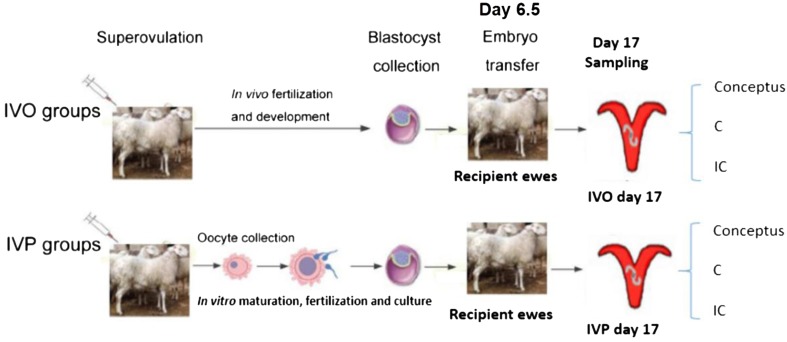
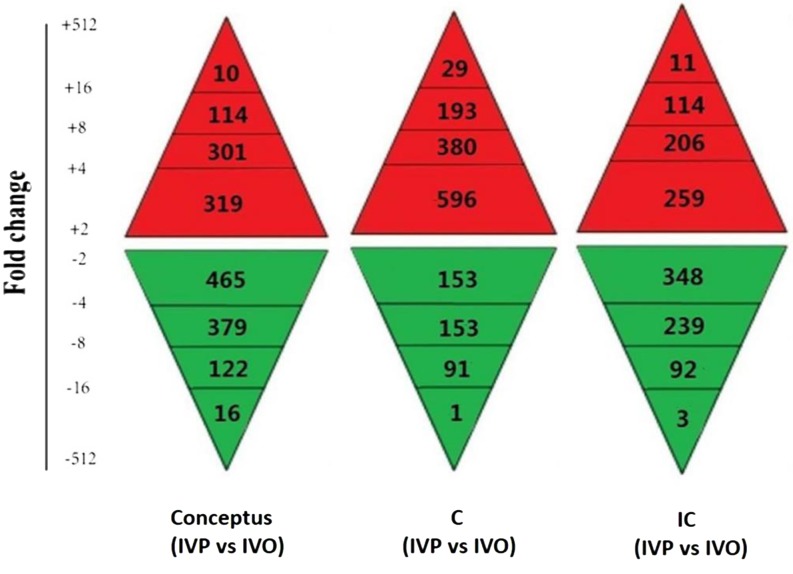
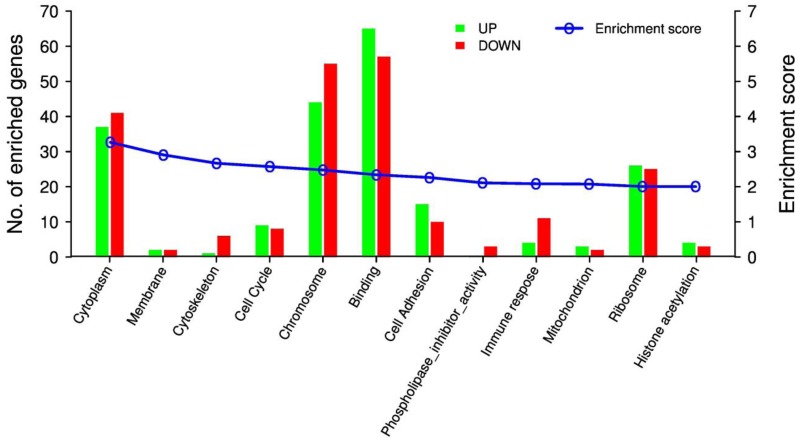
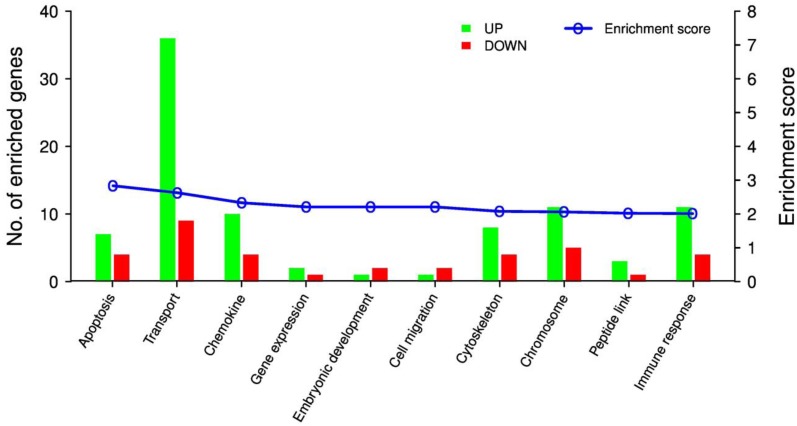
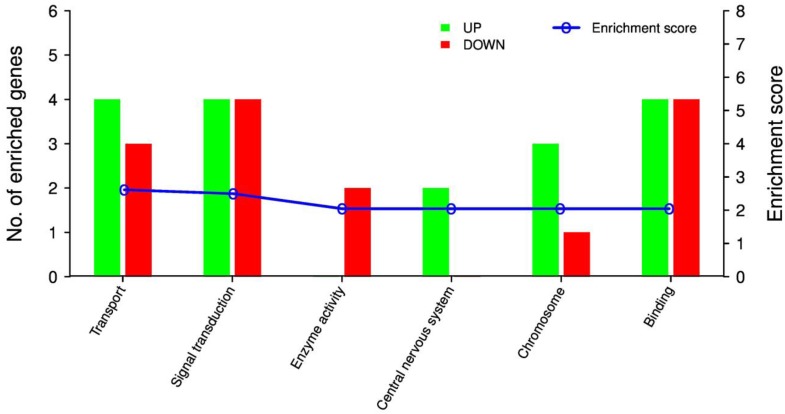
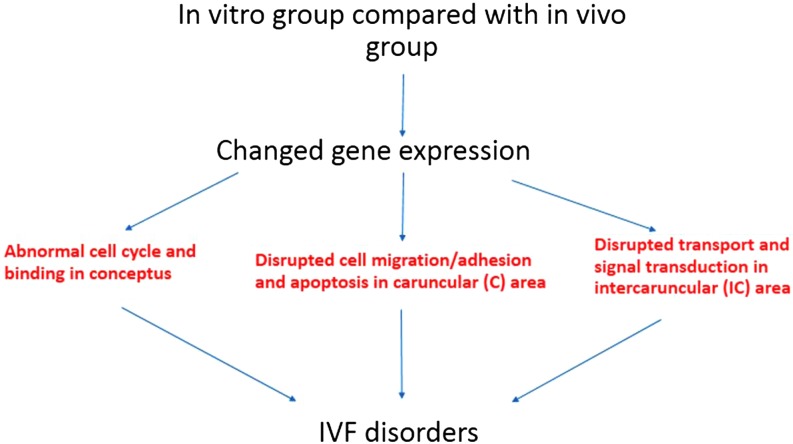
An increasing number of reports indicate that in vitro fertilization (IVF) is highly associated with long‑term side effects on embryonic and postnatal development, and can sometimes result in embryonic implant failure. While high‑throughput gene expression analysis has been used to explore the mechanisms underlying IVF-induced side effects on embryonic development, little is known about the effects of IVF on conceptus-endometrial interactions during the peri-implantation period. Using sheep as a model, we performed a comparative transcriptome analysis between in vivo (IVO; in vivo fertilized followed by further development in the uterus) and in vitro produced (IVP; IVF with further culture in the incubator) conceptuses, and the caruncular and intercaruncular areas of the ovine endometrium. We identified several genes that were differentially expressed between the IVO and IVP groups on day 17, when adhesion between the trophoblast and the uterine luminal epithelium begins in sheep. By performing Gene Ontology enrichment analysis and Kyoto Encyclopedia of Genes and Genomes (KEGG) pathway analysis, we found that, in the conceptus, differentially expressed genes (DEGs) were associated mainly with functions relating to cell binding and the cell cycle. In the endometrial caruncular area, DEGs were involved in cell adhesion/migration and apoptosis, and in the intercaruncular area, they were significantly enriched in pathways of signal transduction and transport. Thus, these DEGs are potential candidates for further exploring the mechanism underlying IVF/IVP-induced embryonic implant failure that occurs due to a loss of interaction between the conceptus and endometrium during the peri-implantation period.
Figures
References
-
- Bergh T, Ericson A, Hillensjö T, Nygren KG, Wennerholm UB. Deliveries and children born after in-vitro fertilisation in Sweden 1982–95: a retrospective cohort study. Lancet 1999; 354: 1579–1585. - PubMed
-
- Schieve LA, Meikle SF, Ferre C, Peterson HB, Jeng G, Wilcox LS. Low and very low birth weight in infants conceived with use of assisted reproductive technology. N Engl J Med 2002; 346: 731–737. - PubMed
-
- Reefhuis J, Honein MA, Schieve LA, Correa A, Hobbs CA, Rasmussen SA. National Birth Defects Prevention StudyAssisted reproductive technology and major structural birth defects in the United States. Hum Reprod 2009; 24: 360–366. - PubMed
-
- Ceelen M, van Weissenbruch MM, Vermeiden JP, van Leeuwen FE, Delemarre-van de Waal HA. Growth and development of children born after in vitro fertilization. Fertil Steril 2008; 90: 1662–1673. - PubMed
MeSH terms
LinkOut - more resources
Full Text Sources
Other Literature Sources
