


Lipids and Oxidative Stress Associated with Ethanol-Induced Neurological Damage
- PMID: 26949445
- PMCID: PMC4753689
- DOI: 10.1155/2016/1543809
Lipids and Oxidative Stress Associated with Ethanol-Induced Neurological Damage
Abstract
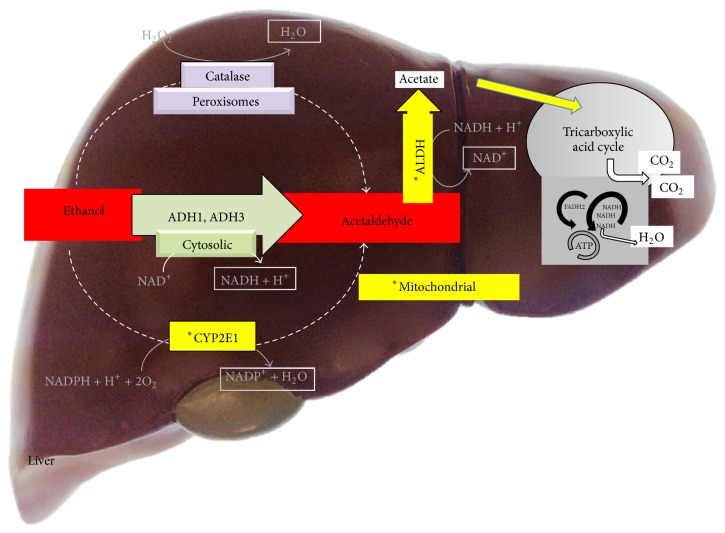
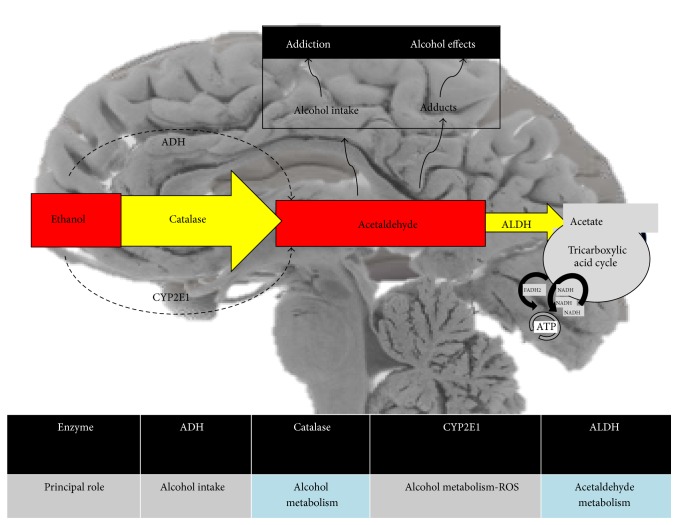
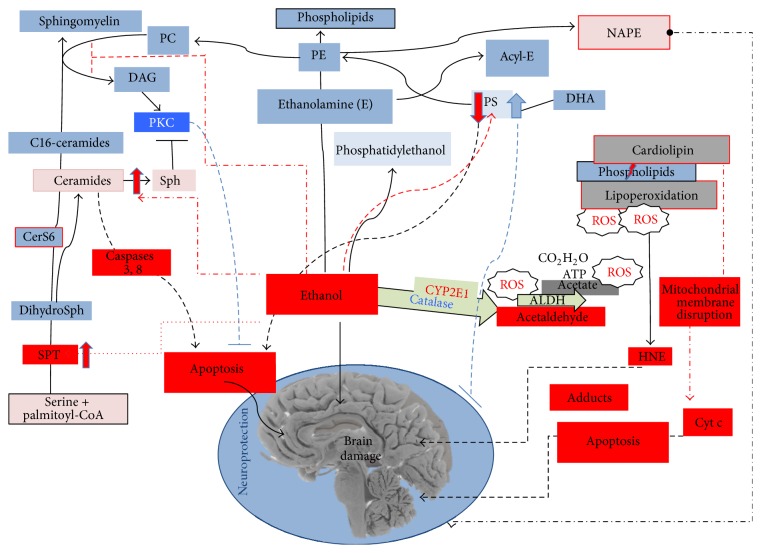
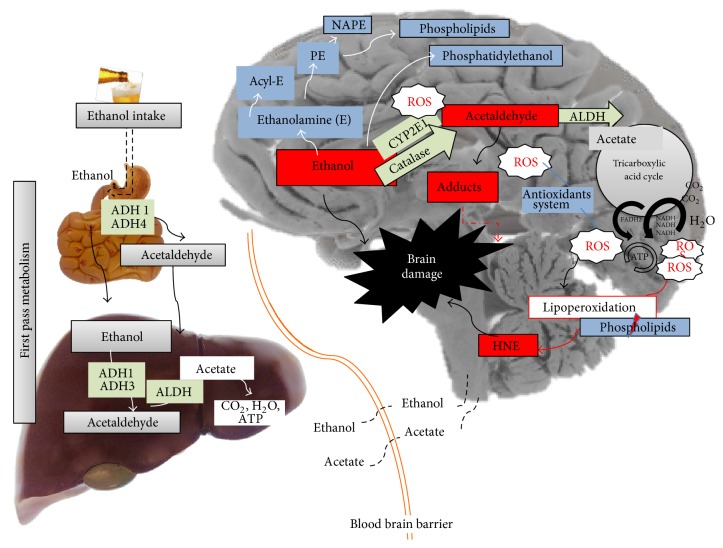
The excessive intake of alcohol is a serious public health problem, especially given the severe damage provoked by chronic or prenatal exposure to alcohol that affects many physiological processes, such as memory, motor function, and cognitive abilities. This damage is related to the ethanol oxidation in the brain. The metabolism of ethanol to acetaldehyde and then to acetate is associated with the production of reactive oxygen species that accentuate the oxidative state of cells. This metabolism of ethanol can induce the oxidation of the fatty acids in phospholipids, and the bioactive aldehydes produced are known to be associated with neurotoxicity and neurodegeneration. As such, here we will review the role of lipids in the neuronal damage induced by ethanol-related oxidative stress and the role that lipids play in the related compensatory or defense mechanisms.
Figures
References
-
- Calhoun F., Attilia M. L., Spagnolo P. A., Rotondo C., Mancinelli R., Ceccanti M. National Institute on Alcohol Abuse and Alcoholism and the study of fetal alcohol spectrum disorders. The International Consortium. Annali dell'Istituto Superiore di Sanita. 2006;42(1):4–7. - PubMed
Publication types
MeSH terms
Substances
LinkOut - more resources
Full Text Sources
Other Literature Sources
