


Review of the traditional uses, phytochemistry, pharmacology and toxicology of giant fennel (Ferula communis L. subsp. communis)
- PMID: 26949491
- PMCID: PMC4764105
Review of the traditional uses, phytochemistry, pharmacology and toxicology of giant fennel (Ferula communis L. subsp. communis)
Abstract
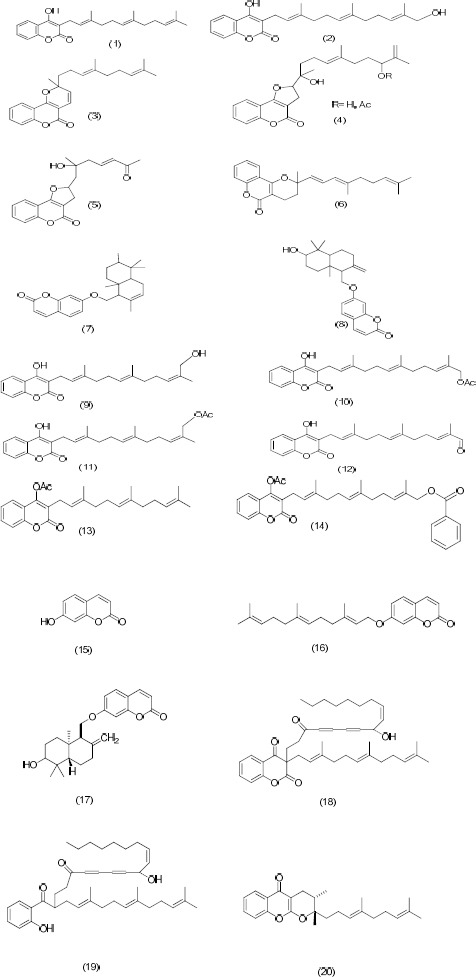
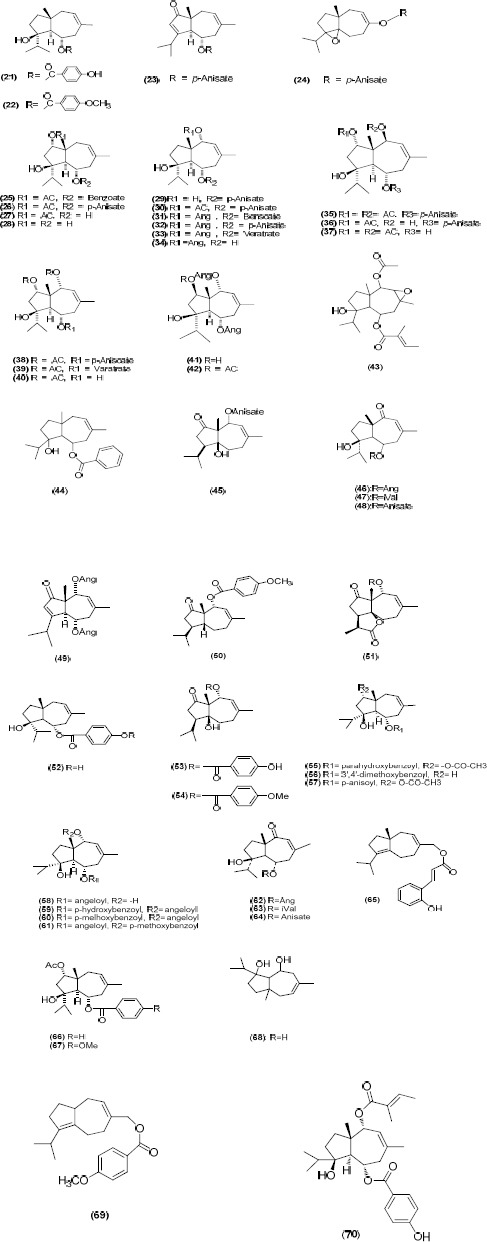
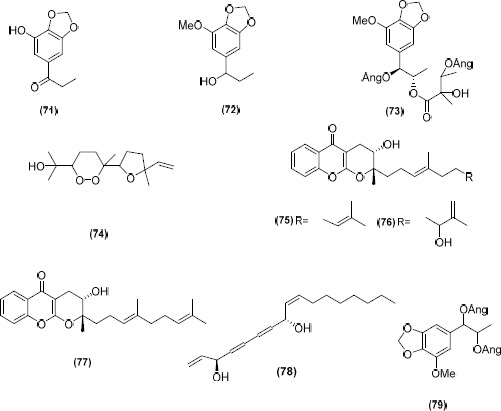
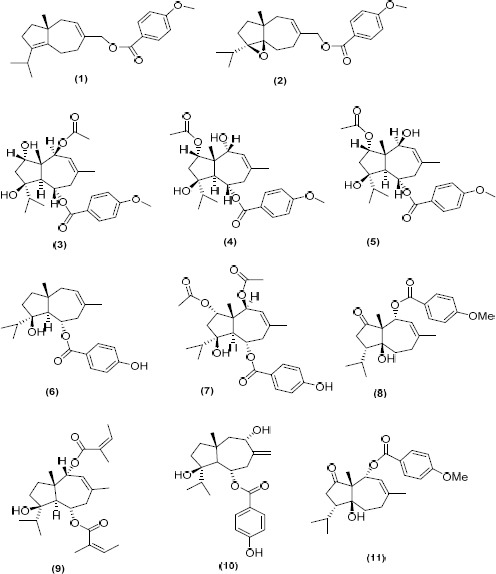
Ferula communis L., subsp. communis, namely giant fennel, has extensively been used in traditional medicine for a wide range of ailments. Fresh plant materials, crude extracts and isolated components of F. communis showed a wide spectrum of in vitro and in vivo pharmacological properties including antidiabetic, antimicrobial, antiproliferative, and cytotoxic activities. The present paper, reviews the traditional uses, botany, phytochemistry, pharmacology and toxicology of F. communis in order to reveal its therapeutic potential and future research opportunities. A bibliographic literature search was conducted in different scientific databases and search engines including Scopus, Cochrane Library, Embase, Google Scholar, Pubmed, SciFinder, and Web of science. Phytochemical studies have led to the isolation of different compounds such as sesquiterpenes from F. communis. This plant has two different chemotypes, the poisonous and non-poisonous chemotypes. Each chemotype is endowed with various constituents and different activities. The poisonous chemotype exhibits anticoagulant and cytotoxic activities with sesquiterpene coumarins as major constituents, while the non-poisonous one exhibits estrogenic and cytotoxic effects with daucane sesquiterpene esters as the main compounds. In addition, although various pharmacological properties have been reported for F. communis, anti-microbial activities of the plant have been investigated in most studies. Studies revealed that F. communis exhibits different biological activities, and contains various bioactive compounds. Although, antibacterial and cytotoxic activities are the two main pharmacological effects of this plant, further studies should focus on the mechanisms underlying these actions, as well as on those biological activities that have been reported traditionally.
Keywords: Anticoagulant; Ferula communis L.; Sesquitepene coumarins; Sesquiterpenes; Toxicity.
Figures
References
-
- Iranshahi M, Amin GR, Jalalizadeh H, Shafiee A. New germacrane derivative from Ferula persica Willd. var latisecta Chamberlain. Pharm Biol. 2003;41:431–433.
-
- Iranshahi M, Ghiadi M, Sahebkar A, Rahimi A, Bassarello C, Piacente S, et al. Badrakemonin, a new eremophilane-type sesquiterpene from the roots of Ferula badrakema Kos.-Pol. Iran J Pharm Res. 2009;8:275–279.
-
- Iranshahi M, Rezaee R, Sahebkar A, Bassarello C, Piacente S, Pizza C. Sesquiterpene coumarins from the fruits of Ferula badrakema. Pharm Biol. 2009;47:344–347.
-
- Iranshahi M, Kalateghi F, Sahebkar A, Sardashti A, Schneider B. New sesquiterpene coumarins from the roots Ferula flabelliloba. Pharm Biol. 2010;48:217–220. - PubMed
-
- Iranshahi M, Masullo M, Asili A, Hamedzadeh A, Jahanbin B, Festa M, et al. Sesquiterpene coumarins from Ferula gumosa. J Nat Prod. 2010;73:1958–1962. - PubMed
Publication types
LinkOut - more resources
Full Text Sources