. 2016 Mar 7;36(5):540-9.
doi: 10.1016/j.devcel.2016.02.012.

Amino Acids Rather than Glucose Account for the Majority of Cell Mass in Proliferating Mammalian Cells

Affiliations

Amino Acids Rather than Glucose Account for the Majority of Cell Mass in Proliferating Mammalian Cells

Aaron M Hosios et al. Dev Cell. .

Abstract

Cells must duplicate their mass in order to proliferate. Glucose and glutamine are the major nutrients consumed by proliferating mammalian cells, but the extent to which these and other nutrients contribute to cell mass is unknown. We quantified the fraction of cell mass derived from different nutrients and found that the majority of carbon mass in cells is derived from other amino acids, which are consumed at much lower rates than glucose and glutamine. While glucose carbon has diverse fates, glutamine contributes most to protein, suggesting that glutamine's ability to replenish tricarboxylic acid cycle intermediates (anaplerosis) is primarily used for amino acid biosynthesis. These findings demonstrate that rates of nutrient consumption are indirectly associated with mass accumulation and suggest that high rates of glucose and glutamine consumption support rapid cell proliferation beyond providing carbon for biosynthesis.


Figures

Figure 1
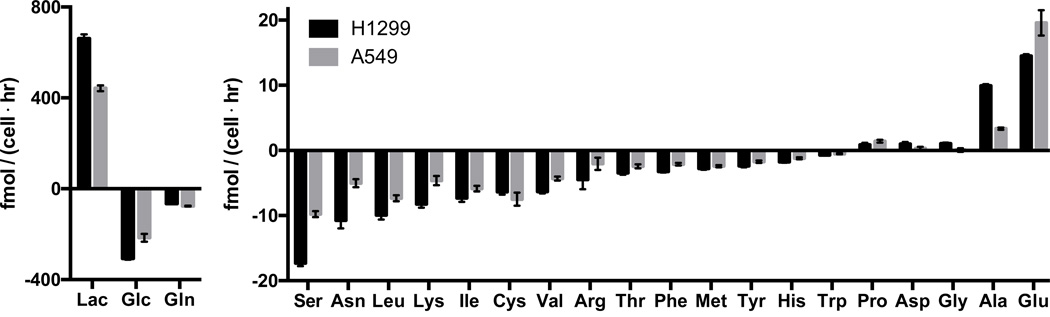
Figure 1. Rapidly proliferating mammalian cells in culture consume glucose and glutamine in excess of other nutrients
Consumption and excretion rates of glucose, lactate, and amino acids by H1299 and A549 cells. Nutrients are ranked in descending order by absolute magnitude of their fluxes. Each bar represents the slope from a linear fit of N=3 replicate, ± standard error. Standard three-letter abbreviations are used for amino acids; Glc, glucose; Lac, lactate.
Figure 2
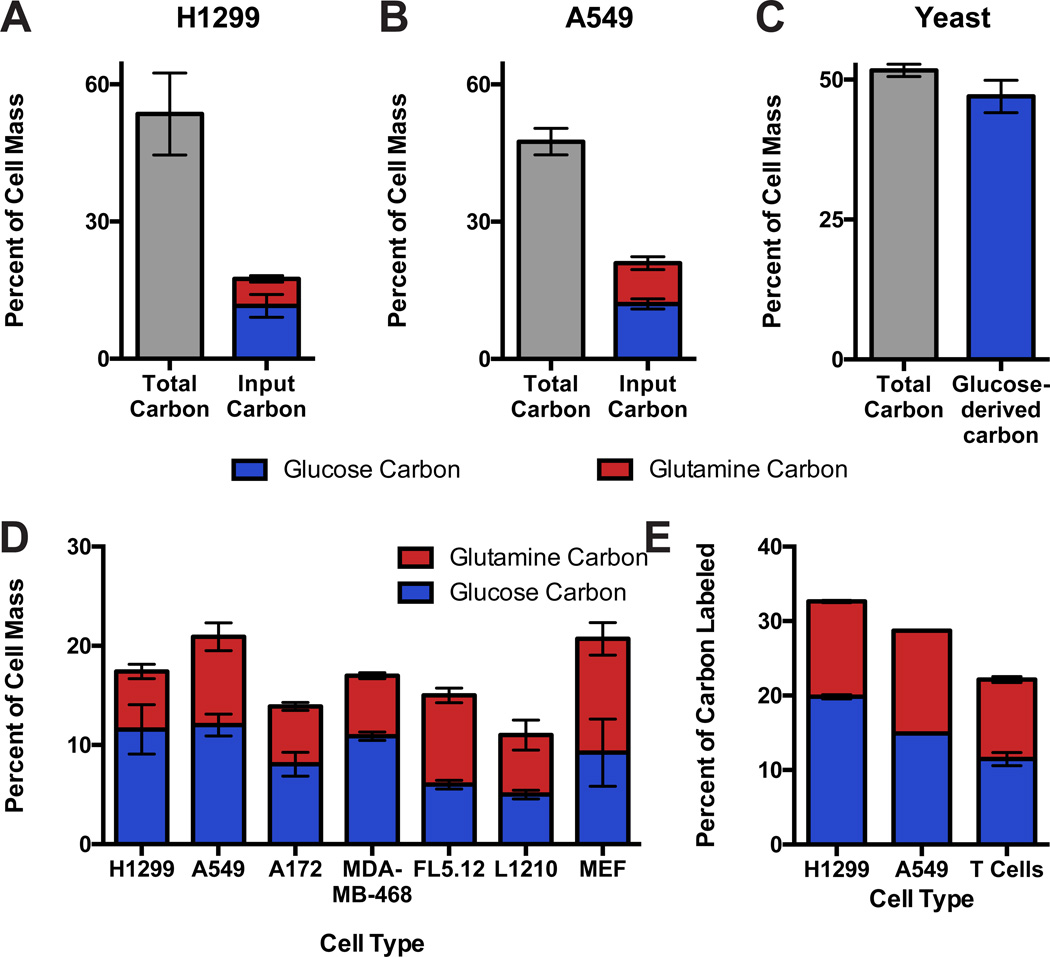
Figure 2. Neither glucose nor glutamine contributes the majority of carbon present in proliferating mammalian cells
The fraction of cell dry mass consisting of carbon in (A) H1299 and (B) A549 cancer cells exceeds the fraction of cell mass labeled by glucose or glutamine. (C) In SK1 prototrophic yeast, the fraction of cell mass labeled by glucose as the sole carbon source is equal to the fraction of cell mass composed of carbon. (D) The contributions of glucose and glutamine to cell mass are similar across mammalian cells. (E) The fraction of cellular carbon derived from glucose or glutamine in activated primary mouse T cells. Each bar represents the average of N=3 replicates, ±S.D.
Figure 3
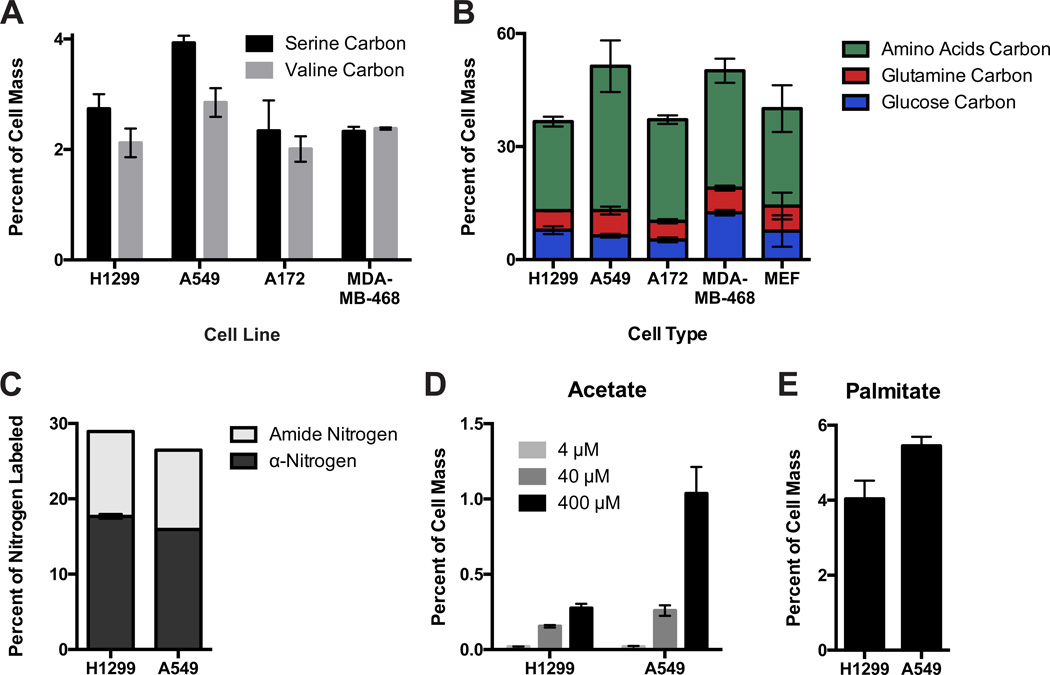
Figure 3. Amino acids contribute the majority of cell mass for proliferating mammalian cells
(A) Serine and valine carbon each contribute 2–4% of cell dry mass in mammalian cells. (B) A pooled mixture of fifteen amino acids can label the majority of cellular carbon in proliferating mammalian cells. Amino acid mass contribution was determined by culturing cells in modified RPMI (Table S2, Figure S3A) with [U-14C]-amino acids. Mass contribution of glucose and glutamine as determined in D are also presented for comparison. (C) The fraction of cellular nitrogen derived from glutamine α- and amide-nitrogen atoms. (D) Acetate carbon is a minor contributor to cell mass, and the net contribution is dependent on acetate concentration. (E) Contribution of serum palmitate to cell mass as determined by incorporation of [U-14C]-palmitate. Each bar represents the average of N=3 replicates, ±S.D.
Figure 4
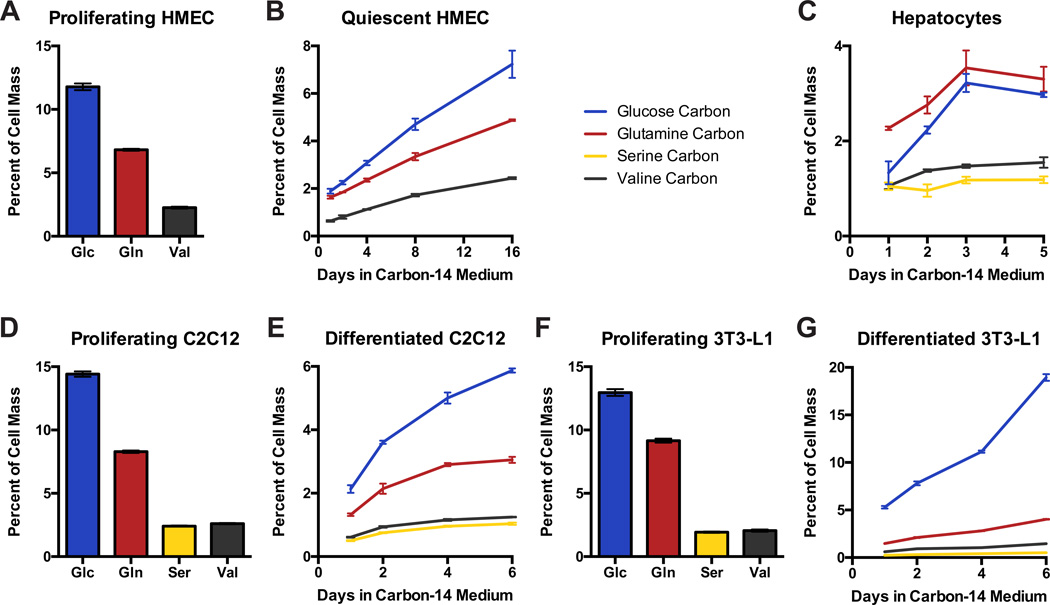
Figure 4. Carbon contribution to non-proliferating cell mass
Using carbon-14 tracers, carbon from glucose (Glc), glutamine (Gln), serine (Ser), and valine (Val) was traced into cell mass of: (A) proliferating human mammary epithelial cells (HMEC), (B) arrested HMEC, (C) primary hepatocytes, (D) proliferating C2C12 myoblasts, (E) differentiated C2C12 myocytes, (F) proliferating 3T3-L1 fibroblasts, and (G) 3T3-L1 differentiated into adipocytes. Carbon incorporation into proliferating cells is shown at steady state, whereas incorporation over time is shown for non-proliferating cells. Each bar represents the average of N=3 replicates, ±S.D.
Figure 5
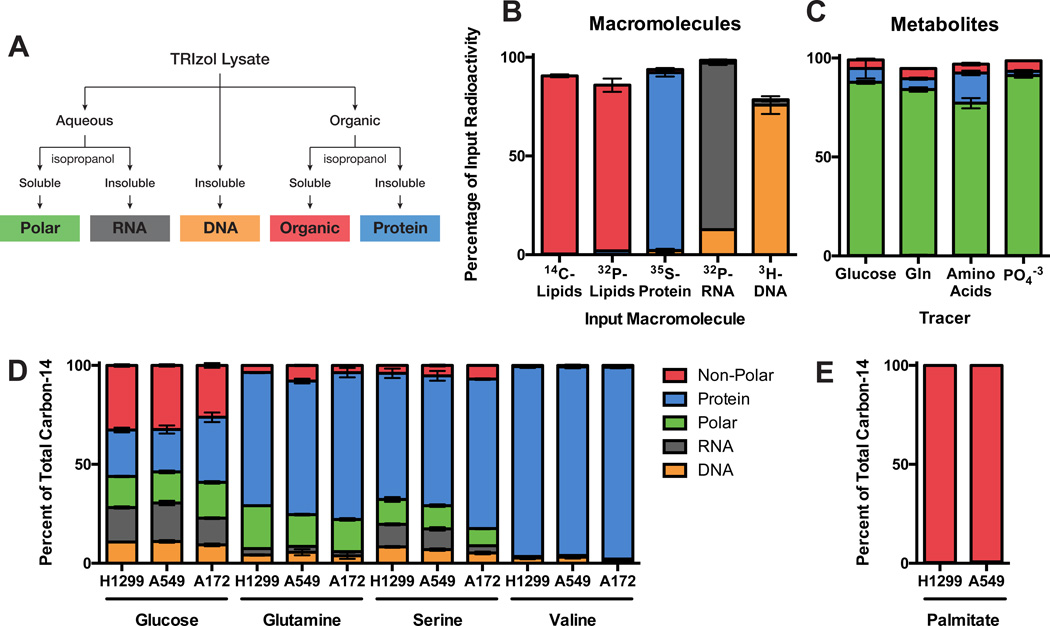
Figure 5. Glucose, glutamine, and other amino acids have diverse biosynthetic fates
(A) Scheme used to fractionate cells into different macromolecular classes based on differential solubility is shown. Material not precipitated from the aqueous phase is referred to as the polar fraction, and material not precipitated from the organic phase is referred to as the non-polar fraction. (B) Radioactive macromolecules were independently synthesized and purified from HEK293 cells and then used to assess yield and purity of the fractions resulting from the scheme in (A). (C) Radioactive small molecules derived from different nutrients were extracted from HEK293 cells and used to assess yield and purity of the polar fraction resulting from the scheme in (A). (D and E) The relative contributions of (D) glucose, glutamine, serine, and valine, and (E) exogenous palmitate to different macromolecule fractions were determined for H1299, A549, and A172 cells. Each bar represents the average of N=3 replicates, ±S.D.
Figure 6
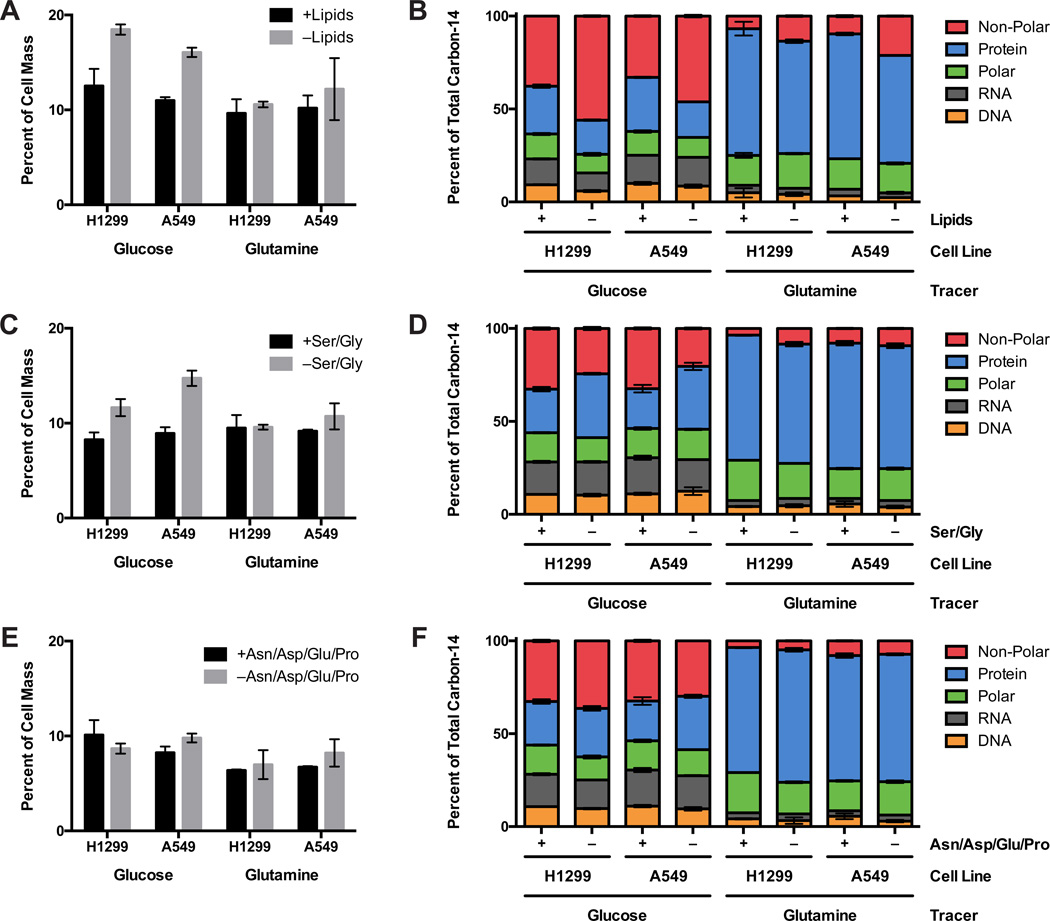
Figure 6. Glucose carbon incorporation into cell mass is increased when non-essential nutrients are absent
Glucose and glutamine incorporation and utilization in H1299 and A549 cells grown in RPMI 1640 (A) containing normal serum or serum stripped of lipids; (B) with or without serine and glycine; or (C) with or without asparagine, aspartate, proline, and glutamate. Each bar represents the average of N=3 replicates, ±S.D.

Comment in

References

    1. Abdul-Baki AA. Metabolism of barley seed during early hours of germination. Plant physiology. 1969;44:733–738. - PMC - PubMed
    1. Alberts B, Johnson A, Lewis J, Raff M, Roberts K, Walter P. Molecular Biology of the Cell. 5. New York, NY: Garland Science; 2008.
    1. Bailey JM, Howard BV, Dunbar LM, Tillman SF. Control of lipid metabolism in cultured cells. Lipids. 1972;7:125–134. - PubMed
    1. Bonarius HP, Hatzimanikatis V, Meesters KP, de Gooijer CD, Schmid G, Tramper J. Metabolic flux analysis of hybridoma cells in different culture media using mass balances. Biotechnology and bioengineering. 1996;50:299–318. - PubMed
    1. Boulter D, Barber JT. Amino-acid metabolism in germinating seeds of Vicia faba L. in relation to their biology. New Phytologist. 1963;62:301–316.

Publication types