


A tailored intervention to implement guideline recommendations for elderly patients with depression in primary care: a pragmatic cluster randomised trial
- PMID: 26956726
- PMCID: PMC4784300
- DOI: 10.1186/s13012-016-0397-3
A tailored intervention to implement guideline recommendations for elderly patients with depression in primary care: a pragmatic cluster randomised trial
Abstract
Background: Elderly patients with depression are underdiagnosed, undertreated and run a high risk of a chronic course. General practitioners adhere to clinical practice guidelines to a limited degree. In the international research project Tailored Implementation for Chronic Diseases, we tested the effectiveness of tailored interventions to improve care for patients with chronic diseases. In Norway, we examined this approach to improve adherence to six guideline recommendations for elderly patients with depression targeting healthcare professionals, patients and administrators.
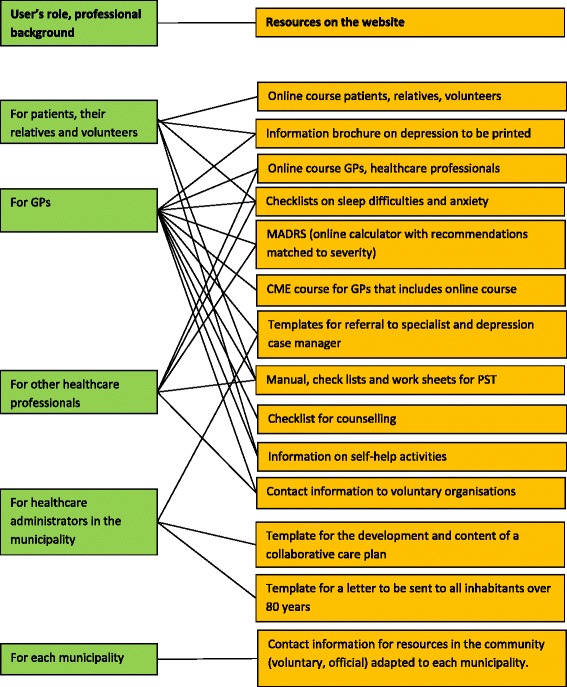
Methods: We conducted a cluster randomised trial in 80 Norwegian municipalities. We identified determinants of practice for six recommendations and subsequently tailored interventions to address these determinants. The interventions targeted healthcare professionals, administrators and patients and consisted of outreach visits, a website presenting the recommendations and the underlying evidence, tools to manage depression in the elderly and other web-based resources, including a continuous medical education course for general practitioners. The primary outcome was mean adherence to the recommendations. Secondary outcomes were improvement in depression symptoms as measured by patients and general practitioners. We offered outreach visits to all general practitioners and practice staff in the intervention municipalities. We used electronic software that extracted eligible patients from the general practitioners' lists. We collected data by interviewing general practitioners or sending them a questionnaire about their practice for four patients on their list and by sending a questionnaire to the patients.
Results: One hundred twenty-four of the 900 general practitioners (14 %) participated in the data collection, 51 in the intervention group and 73 in the control group. We interviewed 77 general practitioners, 47 general practitioners completed the questionnaire, and 134 patients responded to the questionnaire. Amongst the general practitioners who provided data, adherence to the recommendations was 1.6 percentage points higher in the intervention group than in the control group (95 % CI -6 to 9).
Conclusions: The effectiveness of our tailored intervention to implement recommendations for elderly patients with depression in primary care is uncertain, due to the low response rate in the data collection. However, it is unlikely that the effect was large. It remains uncertain how best to improve adherence to evidence-based recommendations and thereby improve the quality of care for these patients.
Trial registration: ClinicalTrials.gov: NCT01913236 .
Figures

References
Publication types
MeSH terms
Associated data
LinkOut - more resources
Full Text Sources
Other Literature Sources
Medical
