


Oral Administration of p-Hydroxycinnamic Acid Attenuates Atopic Dermatitis by Downregulating Th1 and Th2 Cytokine Production and Keratinocyte Activation
- PMID: 26959360
- PMCID: PMC4784746
- DOI: 10.1371/journal.pone.0150952
Oral Administration of p-Hydroxycinnamic Acid Attenuates Atopic Dermatitis by Downregulating Th1 and Th2 Cytokine Production and Keratinocyte Activation
Abstract
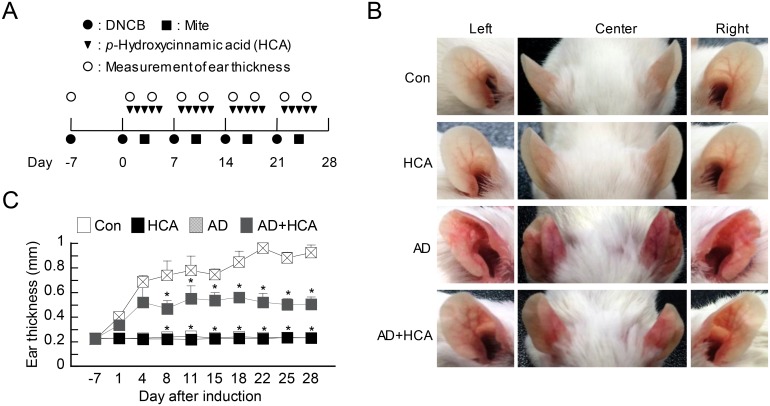
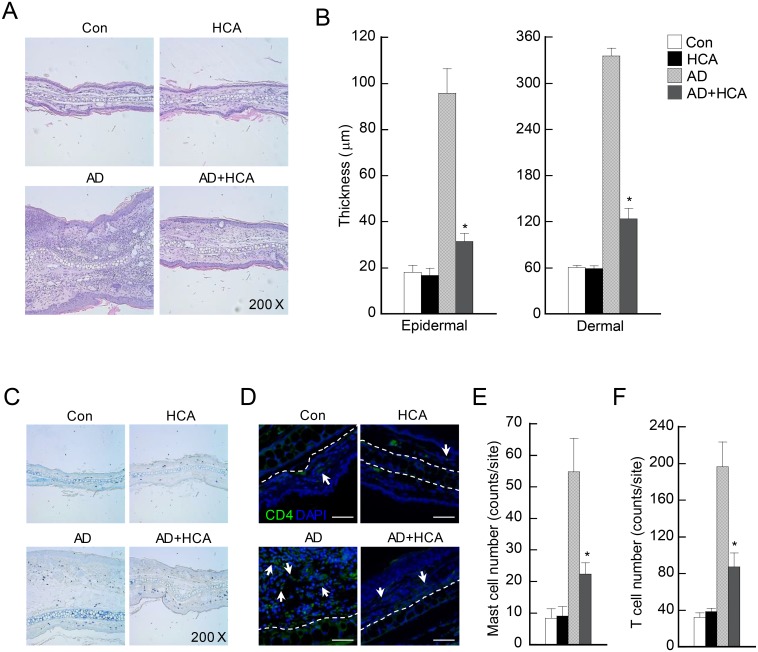
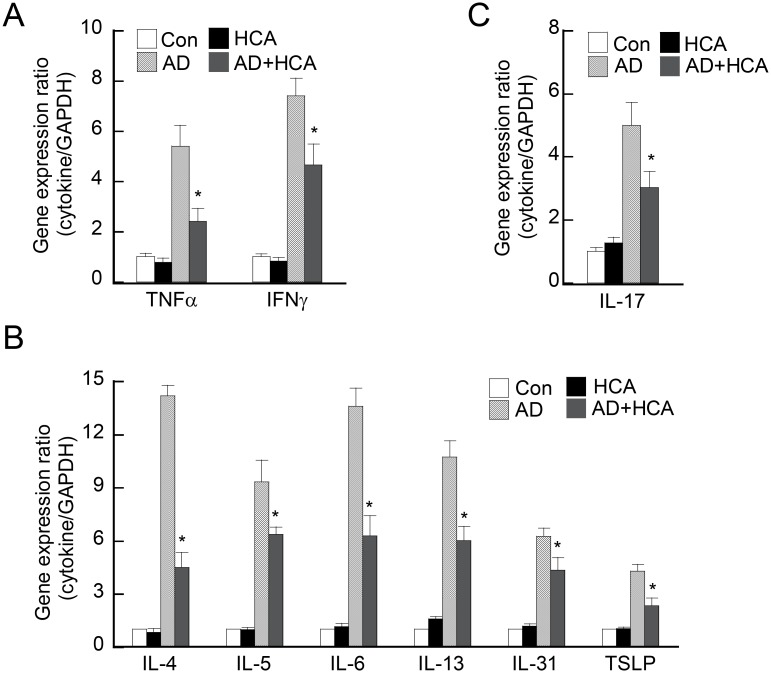
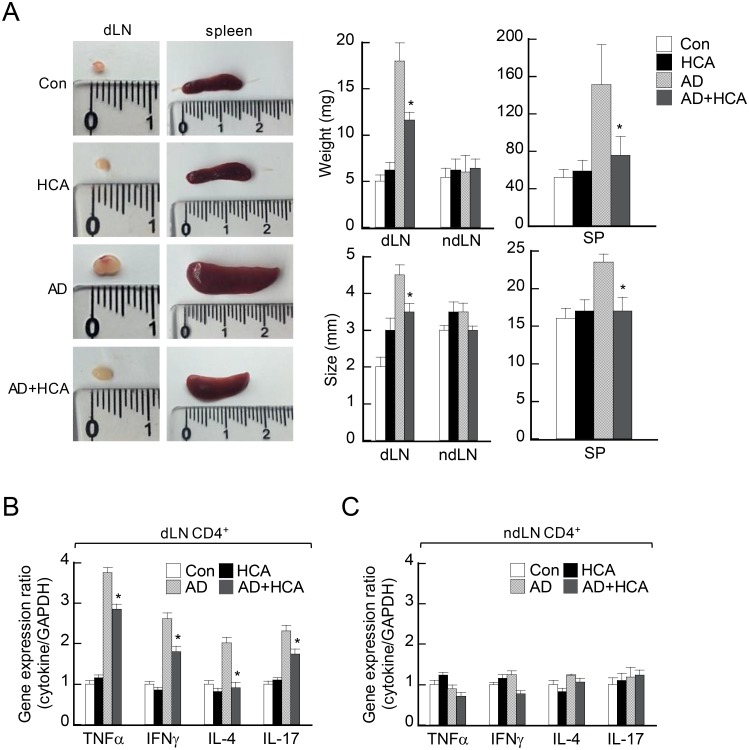
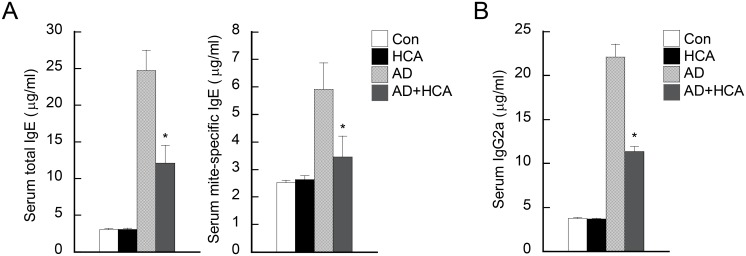
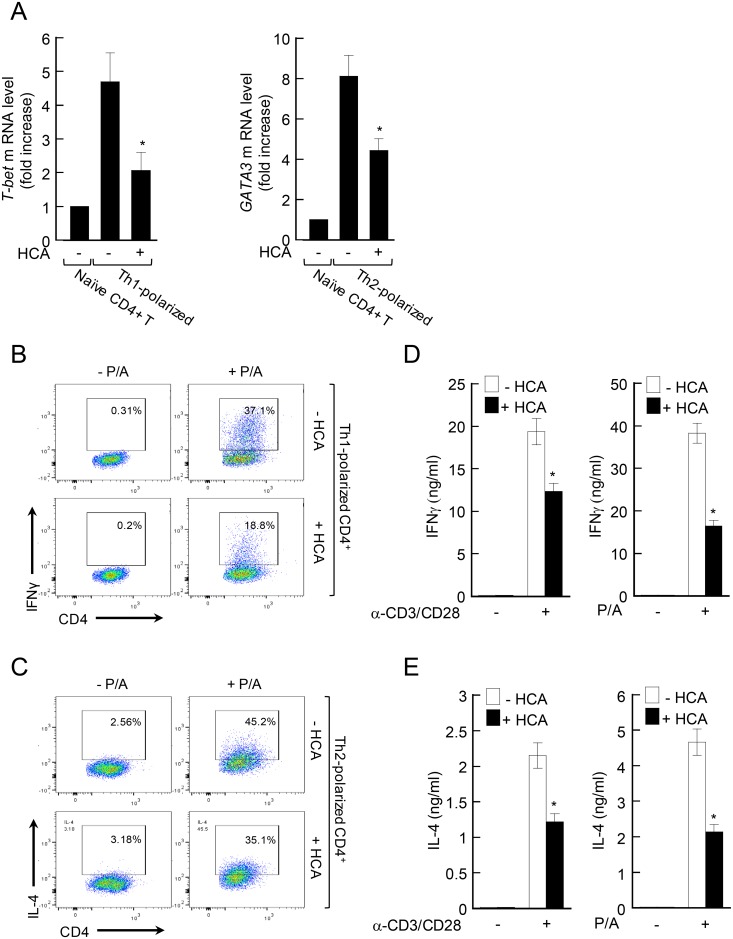
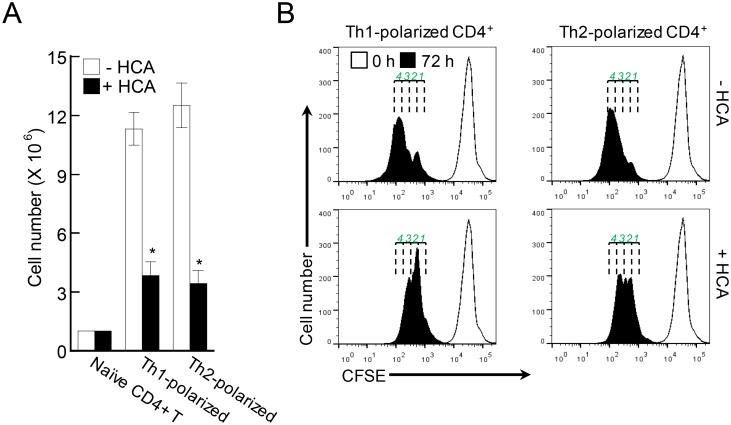
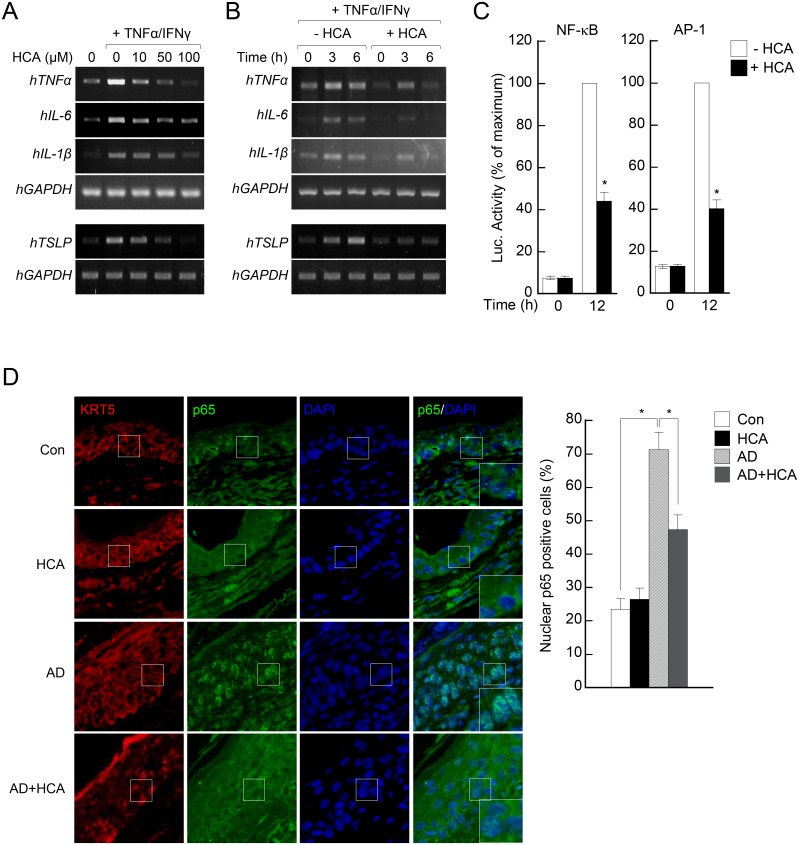
Atopic dermatitis (AD) is a complex disease that is caused by various factors, including environmental change, genetic defects, and immune imbalance. We previously showed that p-hydroxycinnamic acid (HCA) isolated from the roots of Curcuma longa inhibits T-cell activation without inducing cell death. Here, we demonstrated that oral administration of HCA in a mouse model of ear AD attenuates the following local and systemic AD manifestations: ear thickening, immune-cell infiltration, production of AD-promoting immunoregulatory cytokines in ear tissues, increased spleen and draining lymph node size and weight, increased pro-inflammatory cytokine production by draining lymph nodes, and elevated serum immunoglobulin production. HCA treatment of CD4+ T cells in vitro suppressed their proliferation and differentiation into Th1 or Th2 and their Th1 and Th2 cytokine production. HCA treatment of keratinocytes lowered their production of the pro-inflammatory cytokines that drive either Th1 or Th2 responses in AD. Thus, HCA may be of therapeutic potential for AD as it acts by suppressing keratinocyte activation and downregulating T-cell differentiation and cytokine production.
Conflict of interest statement
Figures
References
-
- Matsumoto M, Ra C, Kawamoto K, Sato H, Itakura A, Sawada J, et al. IgE hyperproduction through enhanced tyrosine phosphorylation of Janus kinase 3 in NC/Nga mice, a model for human atopic dermatitis. J Immunol. 1999;162: 1056–1063. - PubMed
Publication types
MeSH terms
Substances
LinkOut - more resources
Full Text Sources
Other Literature Sources
Research Materials
