


Genetic susceptibility to cerebrovascular disease
- PMID: 26959706
- PMCID: PMC5138857
- DOI: 10.1097/MOL.0000000000000275
Genetic susceptibility to cerebrovascular disease
Abstract
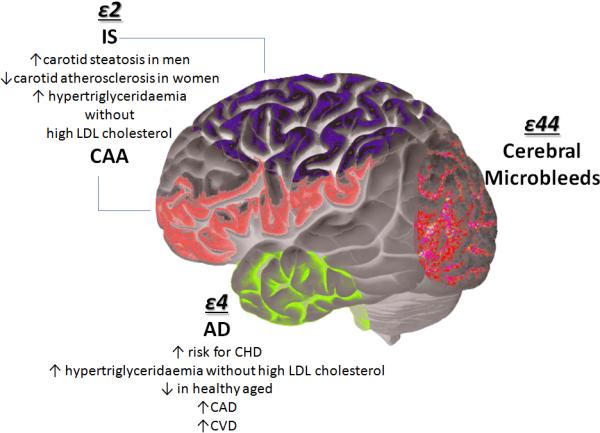
Purpose of review: Cerebrovascular disease (CeVD) remains a major cause of death and a leading cause of disability worldwide. CeVD is a complex and multifactorial disease caused by the interaction of vascular risk factors, environment, and genetic factors. In the present article, we discussed genetic susceptibility to CeVD, with particular emphasis on genetic studies of the associations between lipid traits and CeVD.
Recent findings: Several animal and clinical studies clearly defined genetic predisposition to atherosclerosis and CeVD, and particularly to ischemic stroke. Recent evidence has shown that traditional vascular risk factors explain only a small proportion of variance in atherosclerosis, suggesting that additional nontraditional factors and novel genetic determinants impact CeVD. With the help of genome-wide technology, novel genetic variants have been implicated in CeVD and lipid metabolism such as those in protein convertase subtilisin/kexin type 9 (PCSK9) gene in stroke and familial hypercholesterolemia. These studies are important as they contribute to our understanding of the genetic mechanisms underlying CeVD and to developing more effective CeVD prevention strategies.
Summary: CeVD is a complex and multifactorial disease and genetics likely plays an important role in its pathogenesis. The gene-gene and gene-environment interactions of genes involved in biology of vascular disease, including the lipid metabolism are important factors for individual susceptibility to CeVD. Accounting for individual variation in genes, environment and lifestyle will bring us closer to precision medicine, which is an emerging and recently introduced new approach for disease treatment and prevention in clinical practice.
Figures
References
-
- Mozaffarian D, Benjamin EJ, Go AS, et al. Heart disease and stroke statistics--2015 update: a report from the American Heart Association. Circulation. 2015;131:e29–322. - PubMed
-
- Hutter CM, Austin MA, Humphries SE. Familial hypercholesterolemia, peripheral arterial disease, and stroke: a HuGE minireview. American journal of epidemiology. 2004;160:430–435. - PubMed
-
- Della-Morte D, Guadagni F, Palmirotta R, et al. Genetics of ischemic stroke, stroke-related risk factors, stroke precursors and treatments. Pharmacogenomics. 2012;13:595–613. - PubMed
-
- Herrera VL, Ruiz-Opazo N. Genetic studies in rat models: insights into cardiovascular disease. Current opinion in lipidology. 2005;16:179–191. - PubMed
Publication types
MeSH terms
Grants and funding
LinkOut - more resources
Full Text Sources
Other Literature Sources
Research Materials
Miscellaneous
