Plesiomonas shigelloides Revisited
- PMID: 26960939
- PMCID: PMC4786884
- DOI: 10.1128/CMR.00103-15
Plesiomonas shigelloides Revisited
Abstract
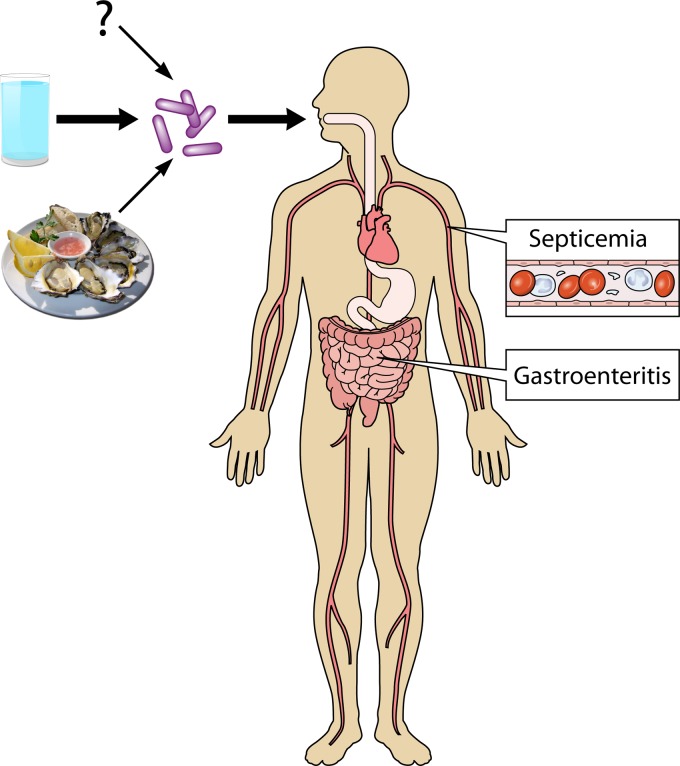
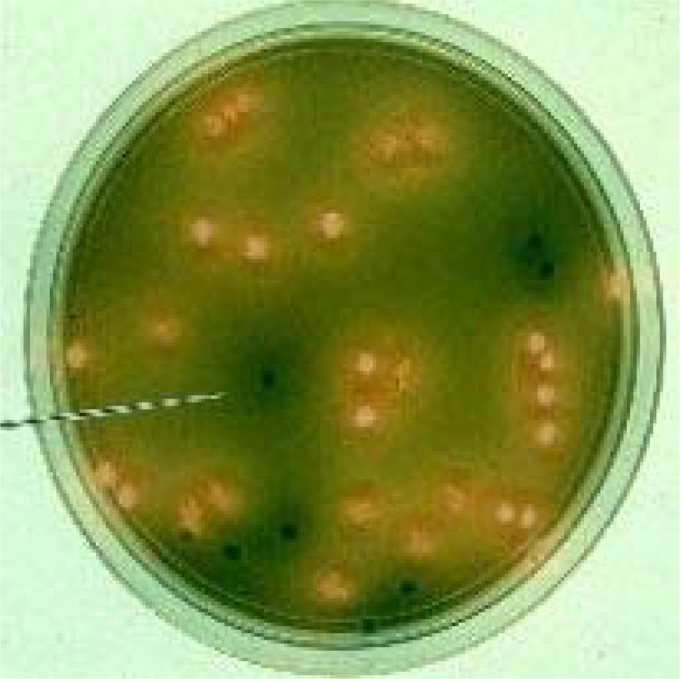
After many years in the family Vibrionaceae, the genus Plesiomonas, represented by a single species, P. shigelloides, currently resides in the family Enterobacteriaceae, although its most appropriate phylogenetic position may yet to be determined. Common environmental reservoirs for plesiomonads include freshwater ecosystems and estuaries and inhabitants of these aquatic environs. Long suspected as being an etiologic agent of bacterial gastroenteritis, convincing evidence supporting this conclusion has accumulated over the past 2 decades in the form of a series of foodborne outbreaks solely or partially attributable to P. shigelloides. The prevalence of P. shigelloides enteritis varies considerably, with higher rates reported from Southeast Asia and Africa and lower numbers from North America and Europe. Reasons for these differences may include hygiene conditions, dietary habits, regional occupations, or other unknown factors. Other human illnesses caused by P. shigelloides include septicemia and central nervous system disease, eye infections, and a variety of miscellaneous ailments. For years, recognizable virulence factors potentially associated with P. shigelloides pathogenicity were lacking; however, several good candidates now have been reported, including a cytotoxic hemolysin, iron acquisition systems, and lipopolysaccharide. While P. shigelloides is easy to identify biochemically, it is often overlooked in stool samples due to its smaller colony size or relatively low prevalence in gastrointestinal samples. However, one FDA-approved PCR-based culture-independent diagnostic test system to detect multiple enteropathogens (FilmArray) includes P. shigelloides on its panel. Plesiomonads produce β-lactamases but are typically susceptible to many first-line antimicrobial agents, including quinolones and carbapenems.
Copyright © 2016, American Society for Microbiology. All Rights Reserved.
Figures



References
-
- Janda JM, Abbott SL. 1998. The enterobacteria. Lippincott-Raven, Philadelphia, PA.
-
- Ellner PD, McCarthy LR. 1974. Aeromonas shigelloides bacteremia: a case report. Am J Clin Pathol 59:216–218. - PubMed
-
- Holmberg SD, Farmer JJ III. 1984. Aeromonas hydrophila and Plesiomonas shigelloides as causes of intestinal infections. Rev Infect Dis 6:633–639. - PubMed
Publication types
MeSH terms
LinkOut - more resources
Full Text Sources
Other Literature Sources
Miscellaneous