. 2016 May;214(5):627.e1-627.e16.
doi: 10.1016/j.ajog.2016.01.193. Epub 2016 Mar 7.

The placental membrane microbiome is altered among subjects with spontaneous preterm birth with and without chorioamnionitis

Affiliations

The placental membrane microbiome is altered among subjects with spontaneous preterm birth with and without chorioamnionitis

Amanda L Prince et al. Am J Obstet Gynecol. 2016 May.

Abstract

Background: Preterm birth (PTB) is a leading cause of neonatal morbidity and mortality and is not uncommonly associated with chorioamnionitis. We recently have demonstrated that the placenta harbors a unique microbiome with similar flora to the oral community. We also have shown an association of these placental microbiota with PTB, history of antenatal infection, and excess maternal weight gain. On the basis of these previous observations, we hypothesized that the placental membranes would retain a microbiome community that would vary in association with preterm birth and chorioamnionitis.

Objective: In the current study, we aimed to examine the differences in the placental membrane microbiome in association with PTB in both the presence and absence of chorioamnionitis and/or funisitis using state-of-the-science whole-genome shotgun metagenomics.

Study design: This was a cross-sectional analysis with 6 nested spontaneous birth cohorts (n = 9-15 subjects/cohort): Term gestations without chorioamnionitis, term with chorioamnionitis, preterm without chorioamnionitis, preterm with mild chorioamnionitis, preterm with severe chorioamnionitis, and preterm with chorioamnionitis and funisitis. Histologic analysis was performed with Redline's criteria, and inflammatory cytokines were analyzed in the cord blood. DNA from placental membranes was extracted from sterile swabs collected at delivery, and whole-genome shotgun sequencing was performed on the Illumina HiSeq platform. Filtered microbial DNA sequences were annotated and analyzed with MG-RAST (ie, Metagenomic Rapid Annotations using Subsystems Technology) and R.

Results: Subjects were assigned to cohorts on the basis of gestational age at delivery and independent scoring of histologic chorioamnionitis. We found that preterm subjects with severe chorioamnionitis and funisitis had increases in cord blood inflammatory cytokines. Of interest, although the placental membrane microbiome was altered in association with severity of histologic chorioamnionitis (permutational multivariate analysis of variance P = .005), there was no observable impact with either betamethasone or antibiotic treatment. In preterm subjects with chorioamnionitis, we found a high abundance of both urogenital and oral commensal bacteria. These alterations in the microbiome were accompanied by significant variation (P < .05) in microbial metabolic pathways important in the glucose-fed pentose phosphate pathway (term subjects), or glycerophopholipid metabolism, and the biosynthesis of the siderophore group nonribosomal peptides (preterm subjects).

Conclusion: Consistent with ours and others previous findings, women who experienced spontaneous PTB harbor placental microbiota that further differed by severity of chorioamnionitis. Integrative metagenomic analysis revealed significant variation in distinct bacterial metabolic pathways, which we speculate may contribute to risk of preterm birth with and without severe chorioamnionitis.

Keywords: chorioamnionitis; funisitis; microbiome; preterm birth; whole-genome shotgun metagenomics.


Figures

FIGURE 1
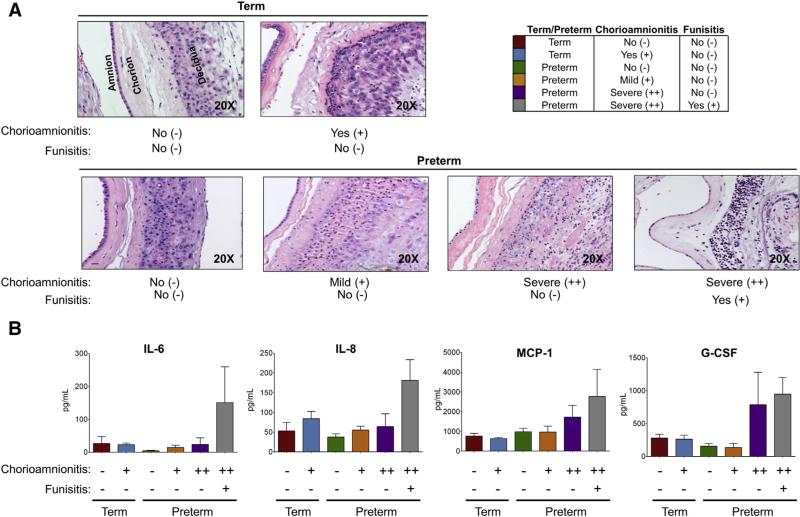
FIGURE 1. Subjects with chorioamnionitis have increased inflammation
A, Histology was performed with hematoxylin and eosin staining and was scored blindly and according to Redline's criteria. Leukocyte infiltration into the chorion and amnion is present in subjects with chorioamnionitis and absent in subjects without chorioamnionitis. Magnification is 20×. B, Plasma from cord blood was analyzed for inflammatory cytokines (IL-6, IL-8, MCP-1, and G-CSF) with the use of Luminex. Preterm subjects with severe chorioamnionitis (++) had increases in inflammatory cytokines compared with subjects without (−) or with mild (+) chorioamnionitis. G-CSF, granulocyte-colony stimulating factor; IL-6, interleukin-6; IL-8, interleukin-8; MCP-1, monocyte chemoattractant protein-1. Prince et al. Placental microbiota and their metabolic pathways in PTB and chorioamnionitis. Am J Obstet Gynecol 2016.
FIGURE 2
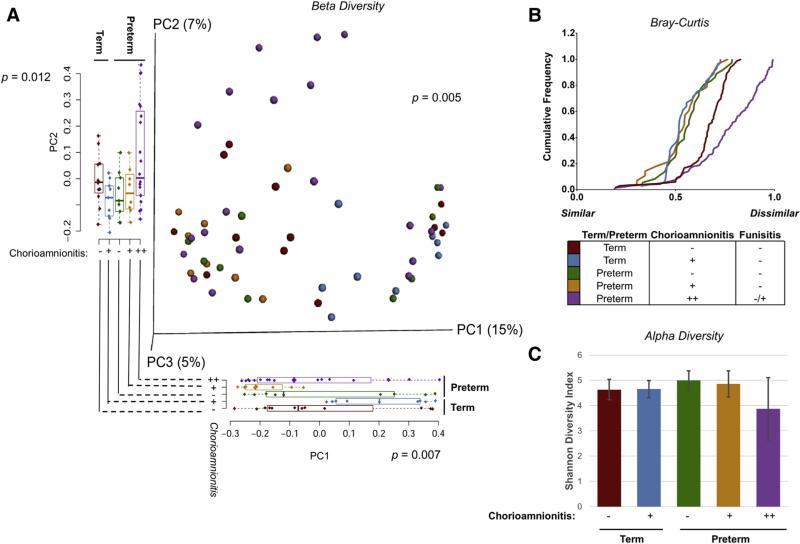
FIGURE 2. Subjects with chorioamnionitis have alterations in the placental membrane microbiome
Preterm subjects with severe chorioamnionitis without and with funisitis were combined for analysis on the basis of histology and expression of inflammatory cytokines in the cord blood from Figure 1. A, Beta diversity (diversity between cohorts) of all cohorts using Canberra distance. Significant differences were seen between the cohorts by PERMANOVA (P = .005). Additionally, significant differences between cohorts were seen on the PC1 and PC2 axis by ANOVA (P = .012 and P = .007, respectively). B, Bray-Curtis dissimilarity was analyzed within each cohort. Term subjects with chorioamnionitis (blue) were most similar to preterm subjects without and with mild chorioamnionitis (green and orange, respectively). Term subjects without chorioamnionitis (red) had dissimilarity within the cohort, but subjects with severe chorioamnionitis (purple) had the greatest dissimilarity between subjects. C, Alpha diversity (diversity within cohorts) was measured between subject cohorts by use of the Shannon diversity index. There was a decrease in preterm subjects with severe chorioamnionitis (purple) compared with subjects without chorioamnionitis (term: red, preterm: green) or with mild chorioamnionitis (term: blue, preterm: orange). This indicates that preterm subjects with severe chorioamnionitis have fewer bacterial constituents of their placental microbiome. ANOVA, analysis of variance; PERMANOVA, permutational multivariate analysis of variance. Prince et al. Placental microbiota and their metabolic pathways in PTB and chorioamnionitis. Am J Obstet Gynecol 2016.
FIGURE 3
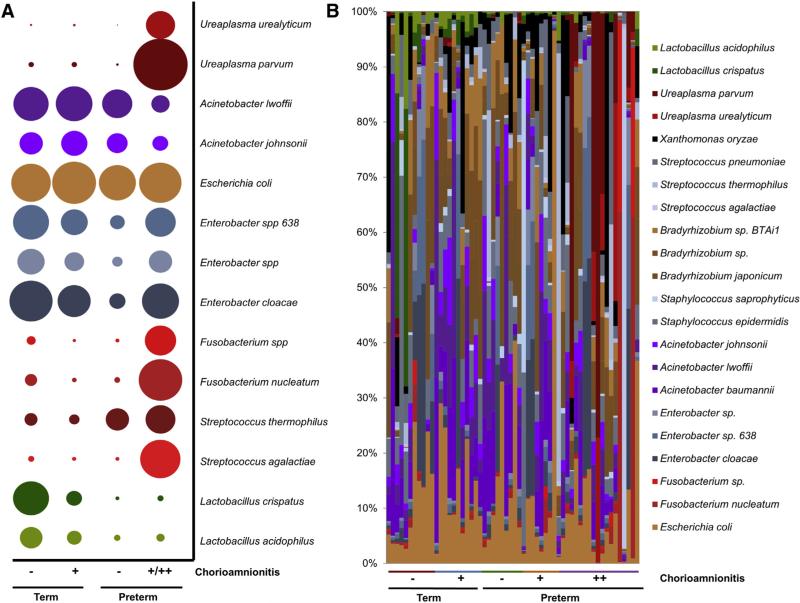
FIGURE 3. Bacterial taxa at the species level differs between cohorts
A, Bubble plots depicting the top bacterial species that differ between term and preterm cohorts with and without chorioamnionitis. B, Examination of bacterial taxa between individual subjects. Term subjects appear to have an increase in Lactobacillus crispatus over subjects in other cohorts. Preterm subjects with chorioamnionitis have wide variety of bacteria present in the placenta, including taxa associated with vaginal microbiome (ie, Ureaplasma species and Streptococcus agalactiae) and with the oral microbiome (ie, Fusobacterium species and Streptococcus thermophilus). Prince et al. Placental microbiota and their metabolic pathways in PTB and chorioamnionitis. Am J Obstet Gynecol 2016.
FIGURE 4
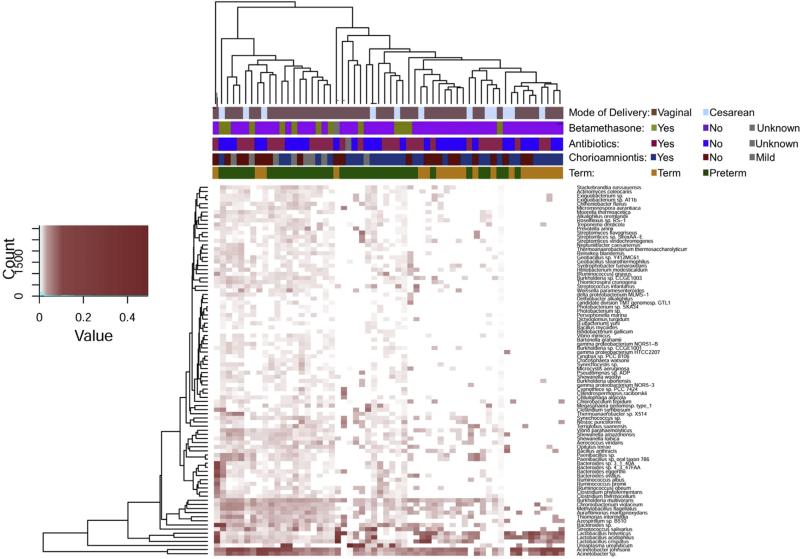
FIGURE 4. Abundant taxa in the placental membrane microbiome are unaltered by treatment or mode of delivery
Differences in bacterial taxa at the species level were determined by Manhattan distance and visualized using a heat map. Subjects clustered by virtue of gestational age (term [orange] vs preterm [green]) and by histologic chorioamnionitis (yes: dark blue, no: dark red, mild: gray). Significance based on antibiotic treatment (yes: blue, no: red, unknown: gray), use of betamethasone (yes: green, no: pink, unknown: gray), or mode of delivery (vaginal: brown, cesarean delivery: light blue) was not detected. Prince et al. Placental microbiota and their metabolic pathways in PTB and chorioamnionitis. Am J Obstet Gynecol 2016.
FIGURE 5
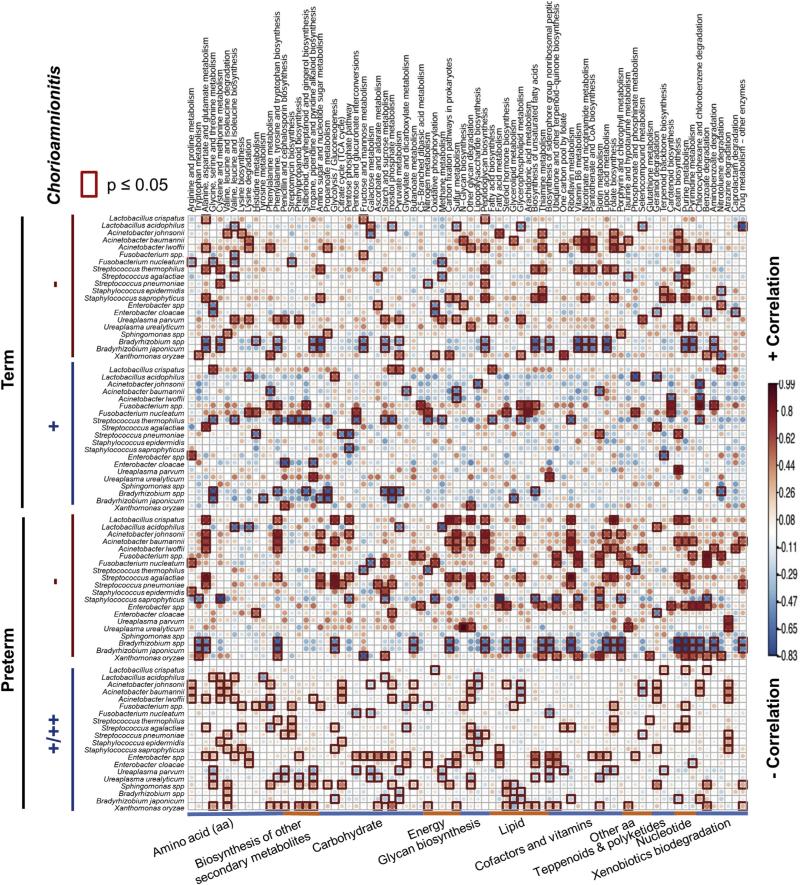
FIGURE 5. Distinct associations of bacterial taxa with metabolic pathways
Metabolic sequences were reconstructed by the use of Kyoto Encyclopedia of Genes and Genomes pathways, and the inferred pathways were correlated to bacterial taxa with R. Red indicates a positive correlation in the metabolic pathway in association with the bacteria whereas blue indicates a negative correlation in a metabolic pathway associated with bacteria. The red box is indicative of significance (P < .05) between the association of the bacterial species and the metabolic function within each cohort. Although many metabolic pathways were altered by virtue of preterm birth and chorioamnionitis, no distinct bacterial taxa were associated with alterations in metabolism by virtue of preterm birth and chorioamnionitis. Prince et al. Placental microbiota and their metabolic pathways in PTB and chorioamnionitis. Am J Obstet Gynecol 2016.
FIGURE 6
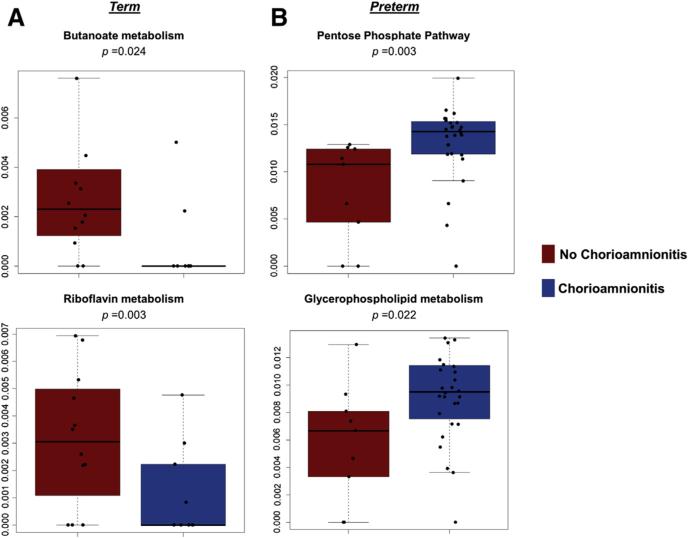
FIGURE 6. Bacterial metabolic pathways are altered in association with histologic chorioamnionitis
Because of differences in bacterial taxa, cohorts were analyzed by gestational age (term and pre-term). Alterations in inferred bacterial metabolic pathways were analyzed using Wilcoxon rank sum test. A, Term subjects without chorioamnionitis (red) were compared with term subjects with chorioamnionitis (blue). Butanoate metabolism (top) and riboflavin metabolism (bottom) is significantly decreased in term subjects without chorioamnionitis (P = .024 and P = .003, respectively). B, Preterm subjects without chorioamnionitis (red) were compared with preterm subjects with chorioamnionitis (blue). The pentose phosphate pathway and glycerophospholipid metabolism are significantly increased (P = .003 and P = .022, respectively). Prince et al. Placental microbiota and their metabolic pathways in PTB and chorioamnionitis. Am J Obstet Gynecol 2016.

References

    1. Faye-Petersen OM. The placenta in preterm birth. J Clin Pathol. 2008;61:1261–75. - PubMed
    1. Simmons LE, Rubens CE, Darmstadt GL, Gravett MG. Preventing preterm birth and neonatal mortality: exploring the epidemiology, causes, and interventions. Semin Perinatol. 2010;34:408–15. - PubMed
    1. Tita ATN, Andrews WW. Diagnosis and management of clinical chorioamnionitis. Clin Perinatol. 2010;37:339–54. - PMC - PubMed
    1. Smulian JC, Shen-Schwarz S, Vintzileos AM, Lake MF, Ananth CV. Clinical chorioamnionitis and histologic placental inflammation. Obstet Gynecol. 1999;94:1000–5. - PubMed
    1. Kim CJ, Romero R, Chaemsaithong P, Chaiyasit N, Yoon BH, Kim YM. Acute chorioamnionitis and funisitis: definition, pathologic features, and clinical significance. Am J Obstet Gynecol. 2015;213(4 Suppl):S29–52. - PMC - PubMed

Publication types